Offering essential tips, learn what “normal use” of septic systems really means to keep yours functioning smoothly and avoid costly repairs.
Browsing Category
Water Quality & Plumbing
44 posts
Backflow Basics: The Cross-Connection Risk Explained
Navigating backflow risks starts with understanding cross-connections and prevention methods—discover how to keep your water supply safe and uncontaminated.
Frozen Pipes: It’s Usually Wind, Not Temperature
Discover how wind, not just cold temperatures, often causes frozen pipes and what you can do to prevent it.
Slow Drains: Grease vs Hair vs Soap—How to Tell
Fast fixes for slow drains depend on identifying whether grease, hair, or soap is causing the blockage—learn how to tell the difference.
Drain Odors: The P‑Trap Rule That Fixes Most Smells
Beware of dry or clogged P-traps causing drain odors, but discover the simple rule that can fix most smells and keep your home fresh.
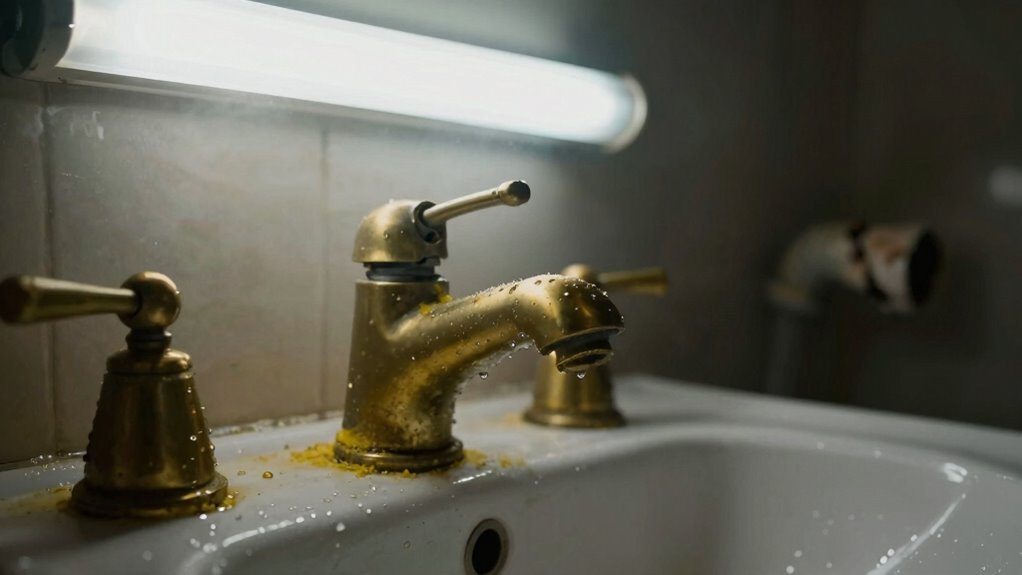
Faucet Aerators: The Tiny Screen That Reveals Pipe Problems
Faucet aerators are small devices that screw onto your faucet tips, acting…
Recirculation Pumps: Convenience vs Heat Loss Tradeoff
Boost your home’s comfort with recirculation pumps, but discover how to balance convenience and heat loss before making a decision.
Tankless Water Heaters: Why Flow Rate Matters More Than You Think
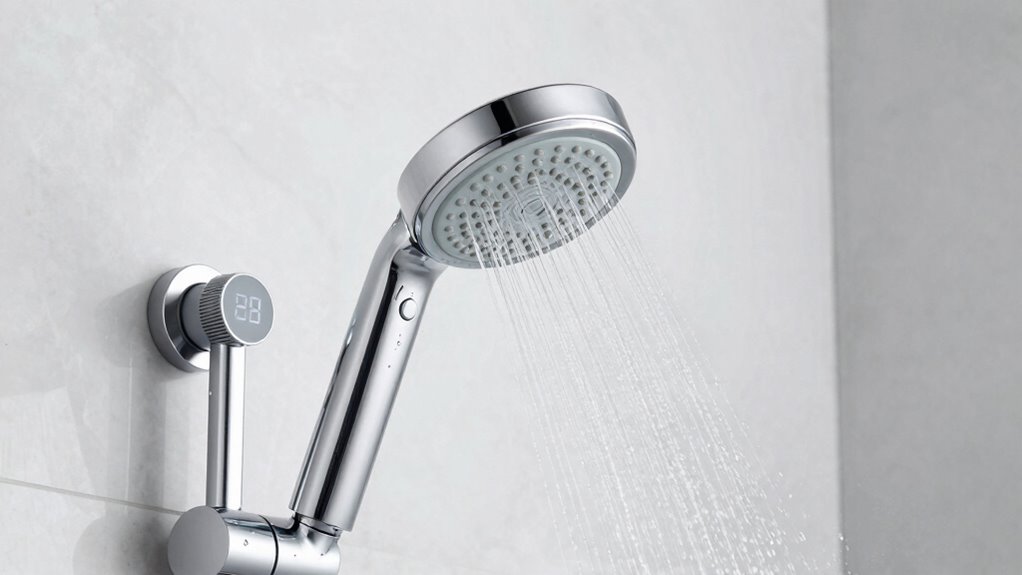
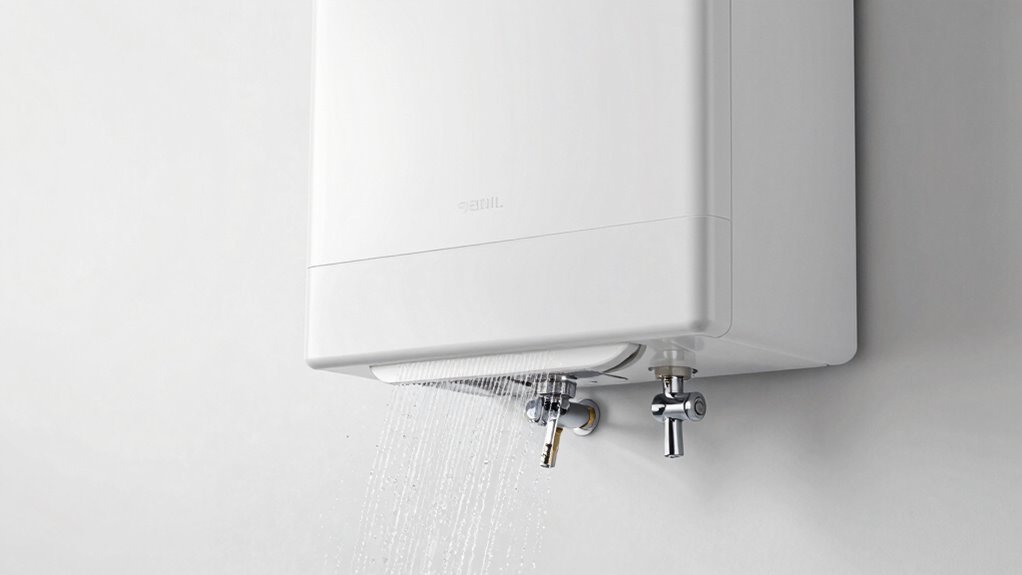
Tankless water heaters’ flow rate impacts performance more than you think—discover why choosing the right flow rate is crucial for endless hot water.
Water Heater Temperature: The Safe Setting That Prevents Scalding
Water heater temperature settings are crucial for safety; discover the optimal level to prevent scalding and ensure household protection.
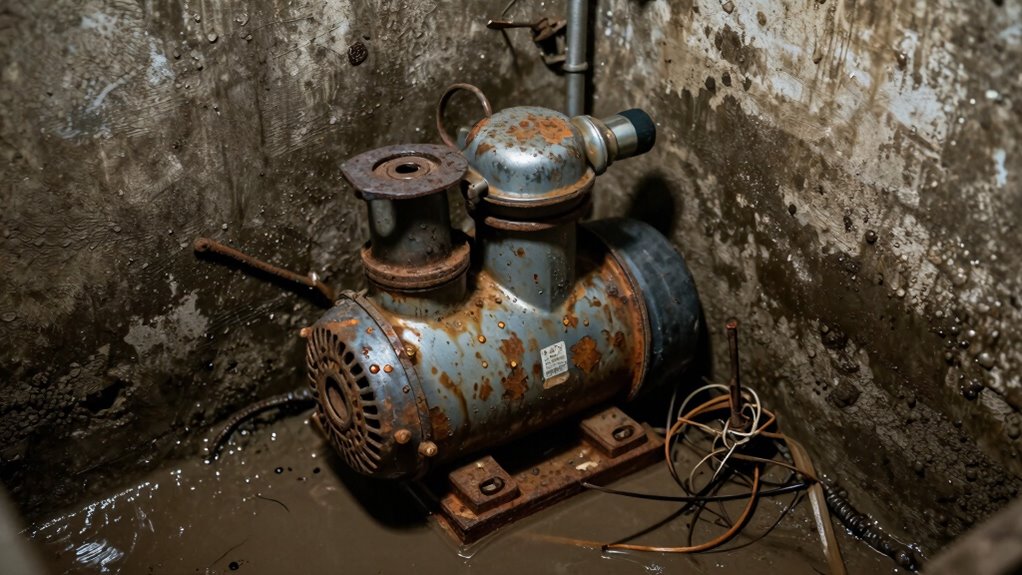
Sewage Ejector Pumps: What Can (and Cannot) Go Down the Drain
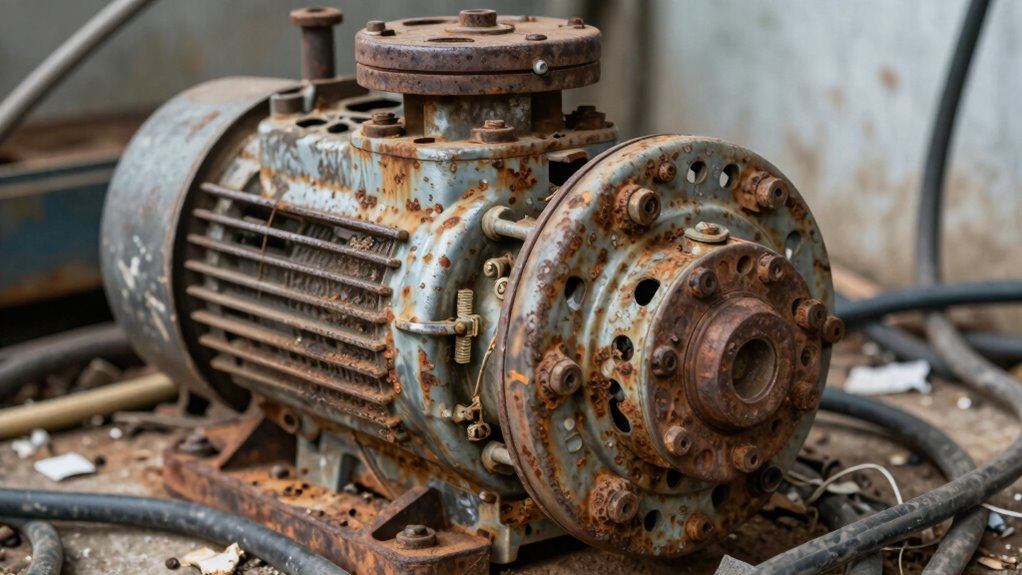
For sewage ejector pumps, only biodegradable waste should go down the drain—find out what else can cause costly damage.