Great kitchen ventilation is essential to combat cooking pollution and ensure your indoor air stays safe—discover how to do it right.
Browsing Category
Kitchen Systems & Food Science
35 posts
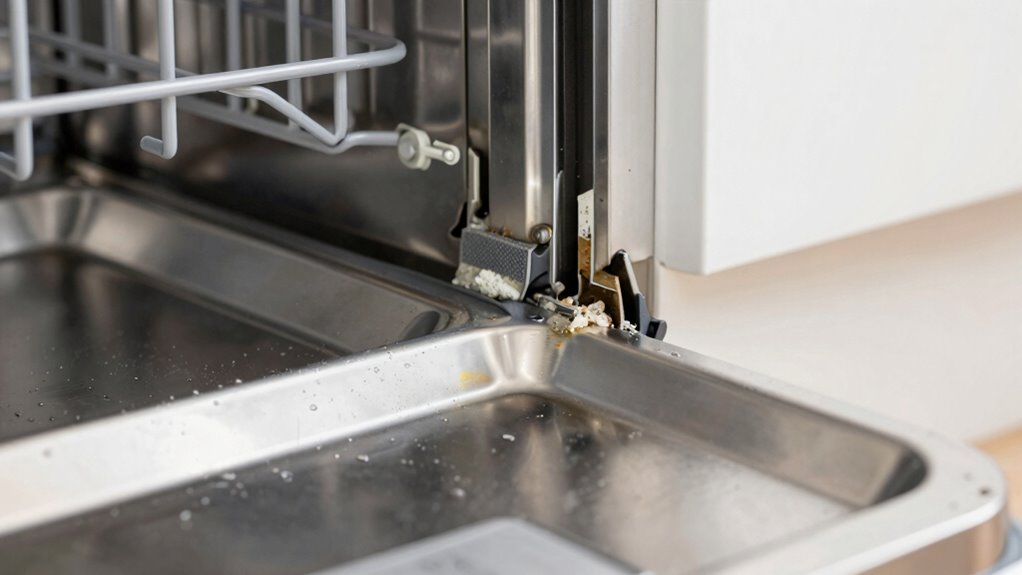
Dishwasher Cleaning Cycles: Why Smells Start in One Spot
Here’s what you need to know about dishwasher cleaning cycles and why odors often originate in one spot, but understanding the causes can help you eliminate them.
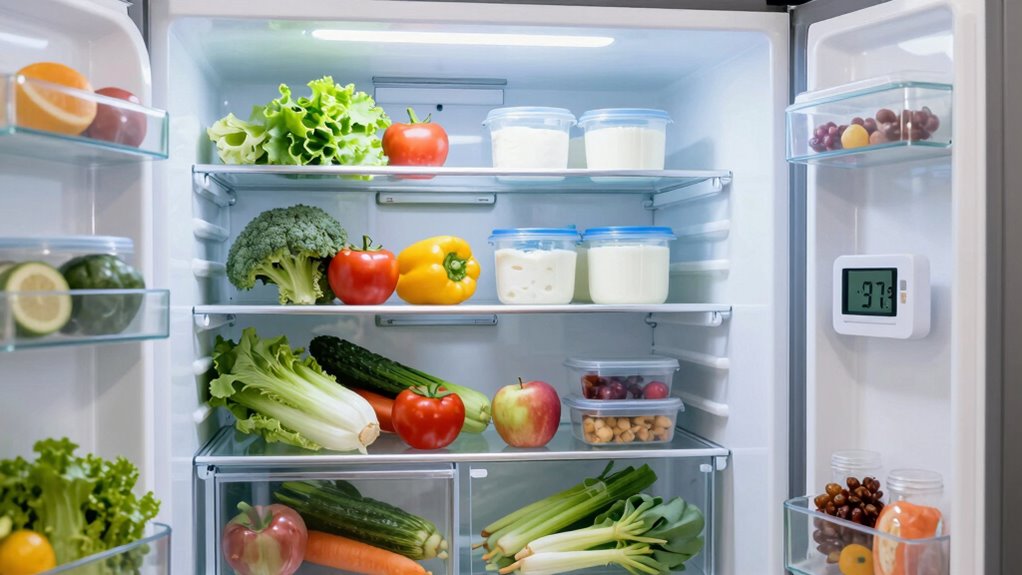
Refrigerator Temperature: The Number That Prevents Spoilage
Optimize your fridge settings to prevent spoilage—discover the crucial temperature number that keeps your food fresh longer.
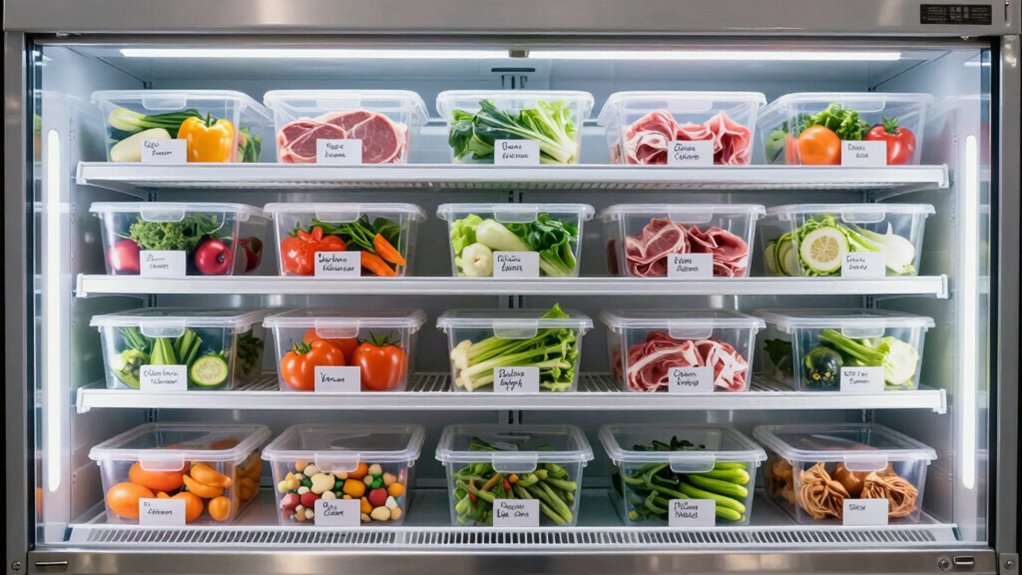
Freezer Inventory Systems: The Simple Method That Stops Waste
Creating an efficient freezer inventory system can drastically reduce waste and save money; discover how to keep your freezer organized effortlessly.
Food Thermometers: Instant-Read vs Probe (When Each Wins)
Master the differences between instant-read and probe thermometers to ensure perfect results; find out which one suits your cooking style best.
Cutting Board Materials: The Hygiene Myth Explained
Keen to debunk the hygiene myth surrounding cutting boards? Discover how proper care trumps material choice for food safety.
Knife Sharpness: Why “Dull” Is More Dangerous
A dull knife is more dangerous than a sharp one because it increases the risk of slips and injuries—discover why maintaining sharp blades is essential for safety.
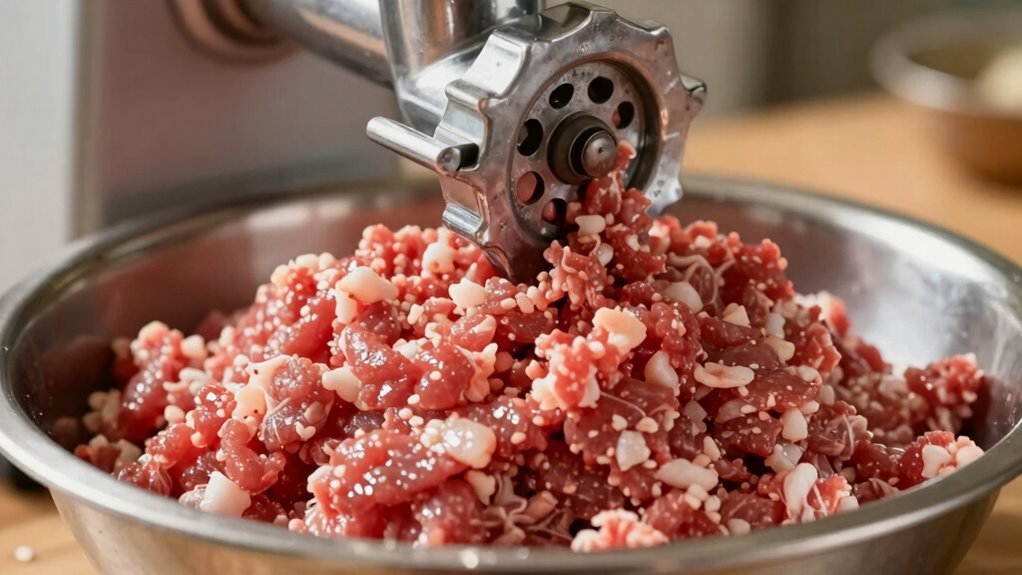
Meat Grinding Basics: Fat Percentage and Texture Control
Aiming for perfect ground meat involves understanding fat content and texture—discover how to elevate your culinary results by mastering these essential tips.

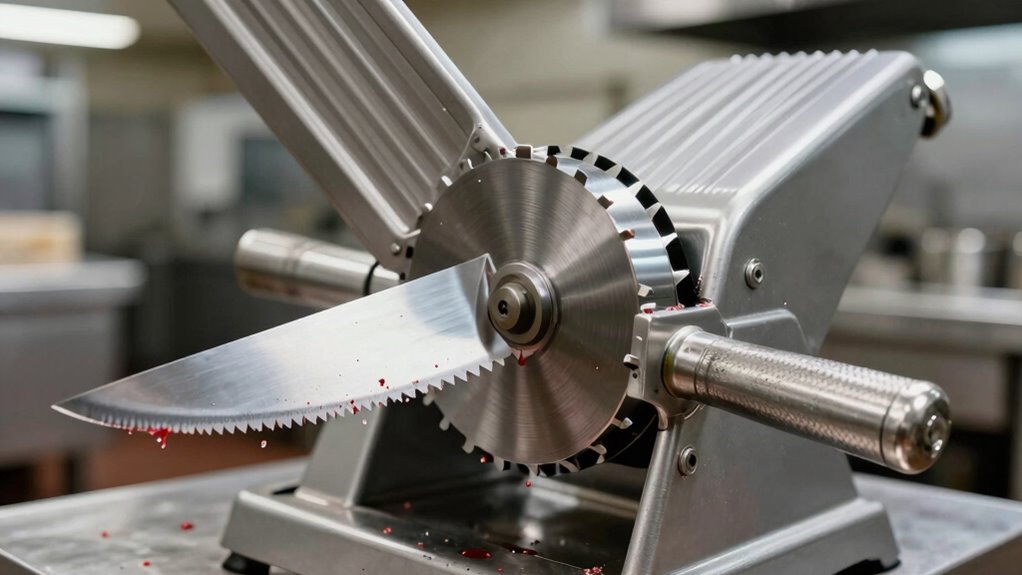
Meat Slicers and Safety: The Cut Hazard Most People Underestimate
Understanding the true danger of dull blades on meat slicers is crucial to prevent injuries—discover how to stay safe before it’s too late.
Wine Cooler Zones: The Humidity Detail People Miss
An overlooked humidity variation in wine cooler zones can jeopardize your wine’s aging; discover how to optimize each area for perfect preservation.