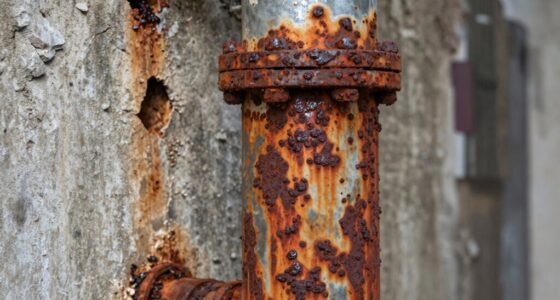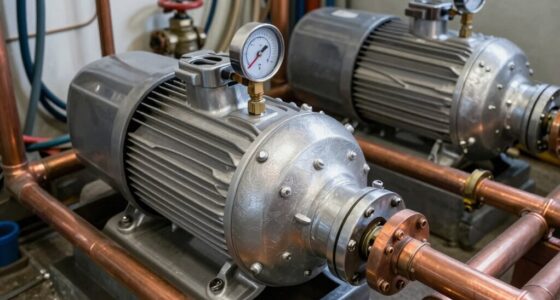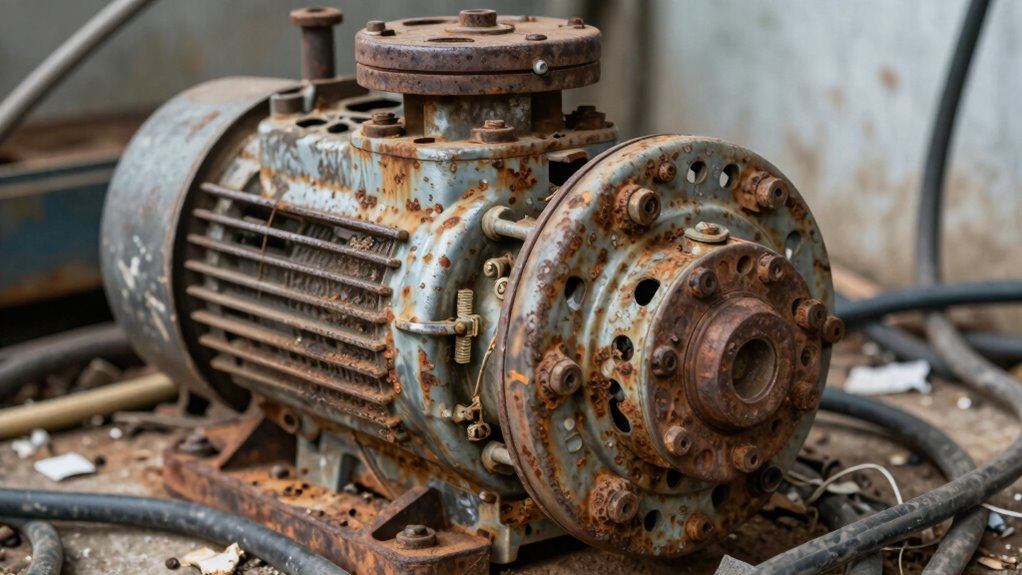
If you neglect regular maintenance, your backup pumps are more likely to fail when you need them most. Without inspections, worn seals and corroded parts can go unnoticed, causing malfunctions. Issues like dry running or electrical failures may develop, compromising the system’s reliability. Skipping routine care increases the risk of unexpected downtime during emergencies. Keep your pumps in top shape, and you’ll better prevent failures—continue on to learn how proper upkeep makes all the difference.

Prime made for students and young adults
- Fast, free delivery for dorm and study essentials
- Prime Video and Amazon Music included
- Member-only deals
Key Takeaways
- Worn seals and corroded parts go unnoticed without regular inspections, leading to pump failure.
- Lack of routine testing prevents early detection of issues like electrical failures or dry running.
- Neglecting maintenance allows debris and clogs to accumulate, impairing pump function.
- Without proper upkeep, components become loose or damaged, increasing the risk of mechanical breakdown.
- Poor maintenance reduces overall reliability, causing unexpected failures during emergencies.
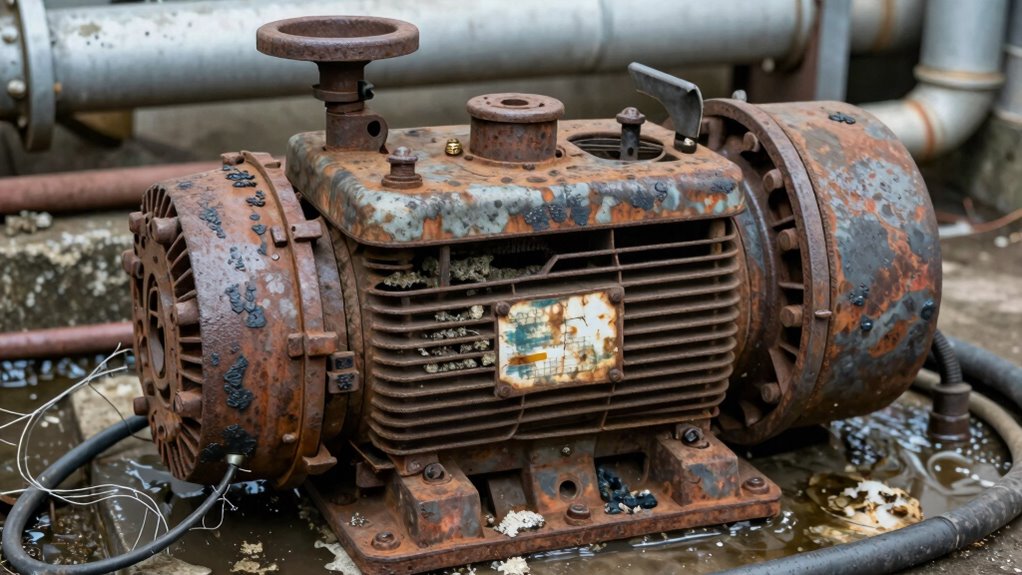
Backup pumps are critical for preventing flooding during emergencies, but they only work effectively if properly maintained. When disaster strikes, your backup pump needs to kick in swiftly and reliably. That’s why understanding how pump design impacts performance and how to follow proper emergency protocols is essential for keeping your system ready. A well-designed pump isn’t just about raw power; it involves thoughtful engineering that considers factors like corrosion resistance, ease of maintenance, and the ability to handle variable loads. If your pump design is flawed or outdated, it can fail unexpectedly, especially under stress. Regular inspections help identify issues like worn seals, corroded components, or clogged intakes that can compromise function. Neglecting these details increases the risk of failure precisely when you need the pump most. Additionally, considering proper maintenance practices ensures that all components remain in optimal condition and reduces unexpected downtime. Proper maintenance routines also include preventive measures, which can proactively address potential problems before they escalate. Regular maintenance not only helps prevent sudden breakdowns but also enhances the overall reliability of your backup system. Incorporating a comprehensive maintenance plan that covers all aspects of pump care can significantly reduce the chances of failure during critical moments.
Emergency protocols are your roadmap for handling failures efficiently, but they only succeed if your backup pump is in top shape. Without routine maintenance, you might not realize that a critical component has deteriorated or that the pump’s internal parts are clogged or misaligned. When flooding occurs, you won’t have the luxury of troubleshooting on the fly; you need confidence that your backup system will operate as intended. This means establishing a clear, consistent maintenance schedule that covers all aspects of your pump’s design requirements. Testing the equipment regularly, especially under conditions that mimic actual emergencies, ensures that your emergency protocols can be executed smoothly. It’s also crucial to document maintenance activities and test results, so you can track the pump’s performance over time and address any recurring issues promptly. Recognizing signs of wear early can prevent unexpected failures and save valuable time during emergencies.
Failing to adhere to maintenance routines often leads to overlooked problems like dry running, which damages pump components, or electrical failures caused by corrosion or loose connections. These issues can render your backup pump useless during critical moments. Proper maintenance not only extends the lifespan of your equipment but also guarantees it’s ready to activate instantly when needed. Training staff on emergency protocols, including how to perform routine checks and troubleshoot minor issues, complements maintenance efforts and ensures everyone knows their role. Ultimately, the combination of sound pump design, diligent maintenance, and clear emergency protocols forms a strong defense against flooding. Skipping routine care might save time or money initially, but it considerably increases the risk of catastrophic failure when every second counts. Keeping your backup pumps in prime condition guarantees peace of mind, knowing that your flood prevention system will perform reliably when it matters most.
backup sump pump maintenance kit
As an affiliate, we earn on qualifying purchases.
As an affiliate, we earn on qualifying purchases.
Frequently Asked Questions
How Often Should Backup Pumps Be Inspected for Optimal Performance?
You should inspect backup pumps at least monthly for peak performance. Incorporate preventive scheduling into your routine and follow a detailed maintenance checklist to guarantee all components are functioning correctly. Regular inspections help identify issues early, preventing failures. By making these checks a consistent habit, you extend the pump’s lifespan and maintain reliable backup support during emergencies. Don’t skip routine inspections—it’s crucial for safe, efficient operation.
What Are the Common Signs Indicating a Backup Pump Needs Maintenance?
You’ll notice signs like unusual noises or vibrations, which indicate your backup pump might need maintenance. Check for decreased flow rate or increased noise, and inspect seal integrity regularly. If pump lubrication appears dry or contaminated, it’s a clear warning sign. Maintaining proper lubrication and ensuring seal integrity can prevent failures. Address these signs promptly to keep your backup pump running smoothly and avoid costly downtime.
Can Backup Pumps Fail Due to Electrical Issues Alone?
Yes, backup pumps can fail due to electrical issues alone. Electrical faults like wiring problems or motor failures can stop the pump from functioning correctly. Power surges from electrical grid fluctuations can damage components, leading to failure. Regular maintenance helps identify these issues early, preventing sudden shutdowns. If you ignore electrical checks, you risk pump failure, especially during critical times when backup power is essential.
How Long Do Backup Pumps Typically Last Without Maintenance?
Without proper maintenance, your backup pump’s lifespan can considerably decrease, often lasting just 3 to 5 years. Maintenance neglect leads to wear and tear, corrosion, or clogging that weakens the pump. Regular inspections, lubrication, and part replacements are essential to extend its life. If you skip these routine checks, you risk sudden failures, costly repairs, or complete pump failure, jeopardizing your system’s reliability when you need it most.
Are There Specific Environmental Factors That Accelerate Pump Failure?
Environmental factors can considerably speed up backup pump failure. For instance, corrosion caused by moisture, salt, or chemicals can weaken components, while flood damage exposes pumps to excessive water, leading to electrical failures. Studies show that pumps in corrosive environments fail up to 50% faster without maintenance. Regular inspections and protective measures can help prevent these issues, ensuring your backup pumps stay reliable during emergencies.
As an affiliate, we earn on qualifying purchases.
Conclusion
To keep backup pumps dependable, regular maintenance is essential. Without it, your pumps are more likely to fail when you need them most. Did you know that nearly 80% of pump failures are due to lack of maintenance? Skipping routine checks can lead to costly downtime and damage. Stay proactive by scheduling consistent inspections and servicing. That way, you’ll guarantee your backup system works seamlessly, providing peace of mind when emergencies strike.
submersible pump seals replacement
As an affiliate, we earn on qualifying purchases.
As an affiliate, we earn on qualifying purchases.
As an affiliate, we earn on qualifying purchases.
Fall Picks
fall essentials
As an affiliate, we earn on qualifying purchases.