
You might notice sulfur smells getting stronger in some fixtures because bacteria, minerals, or corrosion create perfect conditions for hydrogen sulfide gas to form. Stagnant water, mineral buildup, and deteriorating pipes can trap bacteria, boosting odor. Poor fixture maintenance and infrequent use can also worsen the smell. If these issues aren’t addressed, the odors will likely persist or intensify. To find out how to prevent or fix this problem, keep exploring the reasons behind these odors.

Prime made for students and young adults
- Fast, free delivery for dorm and study essentials
- Prime Video and Amazon Music included
- Member-only deals
Key Takeaways
- Stagnant water in fixtures allows bacteria to multiply, increasing hydrogen sulfide production.
- Mineral deposits and corrosion provide surfaces for bacteria to thrive and emit stronger odors.
- Infrequently used fixtures promote warm, stagnant water, fostering bacterial growth.
- Poor drainage or design traps water, creating ideal conditions for bacterial buildup.
- Lack of regular maintenance allows deposits and bacteria to accumulate, intensifying sulfur smells.
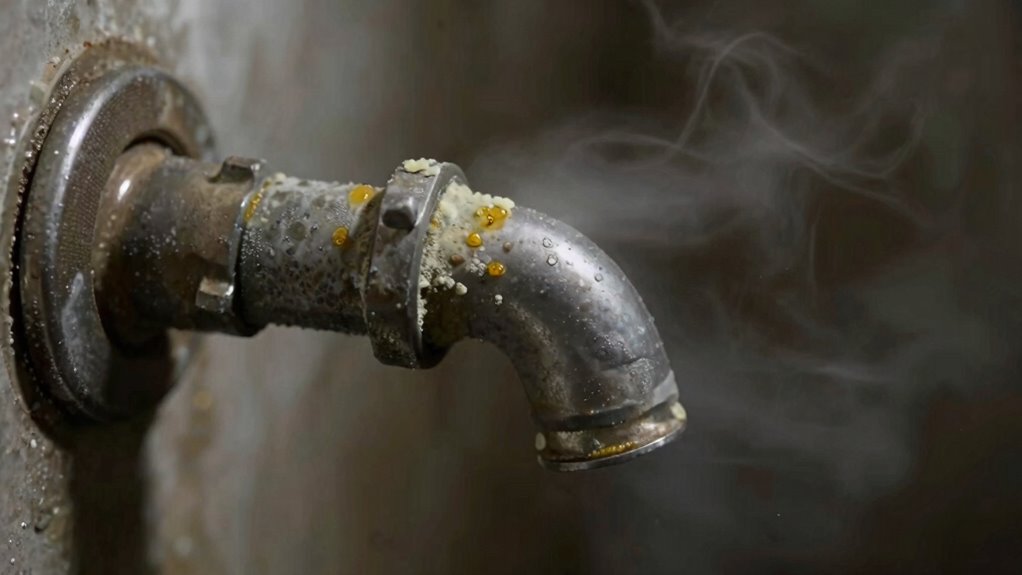
Have you ever noticed a strong sulfur smell coming from your fixtures? If so, you’re not alone. That foul odor often indicates a problem deep within your plumbing system. One common cause is the buildup of bacteria in your water heater or pipes, which produces hydrogen sulfide gas—responsible for that rotten egg smell. To address this, water heater maintenance becomes crucial. Over time, mineral deposits can accumulate inside your water heater, creating a perfect environment for bacteria to thrive. Flushing and inspecting your unit regularly can eliminate these deposits and prevent bacteria growth, reducing that sulfur smell. Without proper maintenance, these bacteria can multiply, making the odor more intense and persistent.
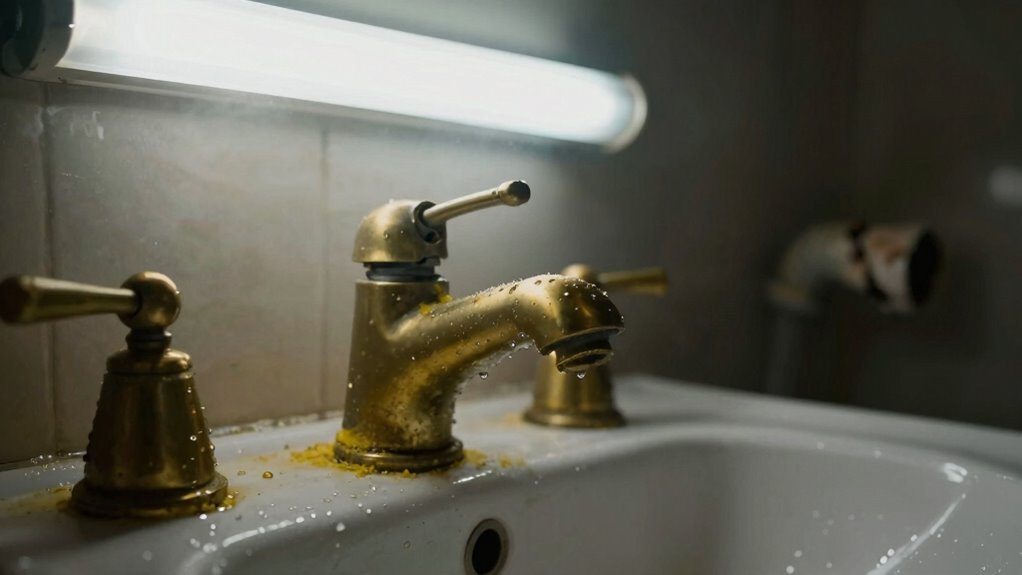
You might also notice that some fixtures emit a stronger smell than others. This variation can be linked to plumbing fixture corrosion, especially in older pipes. Corrosion occurs when the metal pipes degrade over time, often due to mineral-rich water or chemical reactions inside the plumbing system. When pipes corrode, they release metallic particles and create rough surfaces that trap bacteria and other organic material. These trapped bacteria then produce hydrogen sulfide gas, which can lead to an increase in odor. Fixtures connected to corroded pipes tend to smell worse because the bacteria have more surface area to colonize and more opportunities to produce odor. Addressing plumbing corrosion and mineral buildup can help reduce the severity of the sulfur smell.
The design and condition of individual fixtures can influence how strongly they smell. Fixtures with stagnant water or poor drainage can become breeding grounds for bacteria, which boosts the sulfur smell. If a fixture hasn’t been used in a while, water sitting stagnant inside can warm up and foster bacterial growth. Regularly running water through all fixtures helps flush out bacteria and reduces odor. Additionally, fixtures with mineral build-up or corrosion may harbor more bacteria, making the smell more pronounced in those specific spots. Recognizing the importance of plumbing maintenance can prevent future issues and preserve the integrity of your plumbing system. Proper inspection and timely repairs are key to avoiding bacterial buildup, which is a primary cause of sulfur odors. Regular maintenance, including cleaning and replacing corroded parts, can significantly improve the overall odor situation.
As an affiliate, we earn on qualifying purchases.
Frequently Asked Questions
Can Sulfur Smells Indicate a Plumbing Emergency?
Yes, sulfur smells can indicate a plumbing emergency. If you notice persistent or worsening odors, it might mean a sewer line blockage or venting issue. Regular fixture maintenance helps prevent these odors, but if the smell intensifies, it’s a sign to act quickly. Addressing the problem early prevents further damage and guarantees odor prevention, keeping your home safe and odor-free. Don’t ignore strong sulfur smells—they often signal underlying plumbing issues.
Do Sulfur Smells Affect Water Safety?
Sulfur smells in your water don’t necessarily mean it’s unsafe, but they do signal a need for water treatment and odor elimination. The smell often results from bacteria or hydrogen sulfide gas, which can be treated with proper filtration or aeration systems. While the water may be safe to drink, addressing the odor guarantees better taste and smell, and prevents potential long-term issues with plumbing or appliances.
How Long Does It Take to Eliminate Sulfur Odors?
It usually takes a few days to a week to eliminate sulfur odors, but it depends on odor absorption and fixture maintenance. Regularly cleaning and disinfecting fixtures helps speed up the process. To tackle stubborn smells, consider flushing the system or installing a water treatment device. Remember, consistency is key—staying on top of fixture maintenance prevents odors from lingering and keeps your water fresh longer.
Are Sulfur Smells More Common in Certain Fixtures?
Yes, sulfur smells are more common in certain fixtures, especially those made of softer or porous materials like plastic or rubber, which can trap odors. Fixtures with poor air circulation also tend to hold onto sulfur smells longer, making the odors seem stronger. To reduce this, guarantee good airflow around your fixtures and consider replacing materials prone to odor retention. Proper maintenance and ventilation help keep sulfur smells at bay.
Can Sulfur Odors Be Caused by Environmental Factors?
Yes, sulfur odors can be caused by environmental factors. Environmental sources like outdoor pollution, industrial emissions, and natural occurrences such as volcanic activity release sulfur compounds into the air, which can settle into your home’s plumbing or fixtures. When these compounds interact with water or build up in pipes, they produce that strong sulfur smell. So, if outdoor conditions change, you might notice the scent becoming more pronounced indoors.
As an affiliate, we earn on qualifying purchases.
Conclusion
So, next time you notice that sulfur smell creeping up your fixtures, remember—it’s not just a fleeting nuisance but a warning sign. Like a ghostly whisper, it hints at underlying issues needing attention. Don’t ignore it; instead, act quickly before the problem deepens. By staying vigilant, you hold the power to keep your home safe and fresh. After all, in the battle against stubborn odors, awareness is your strongest weapon.
As an affiliate, we earn on qualifying purchases.
As an affiliate, we earn on qualifying purchases.
Halloween Picks
halloween
As an affiliate, we earn on qualifying purchases.