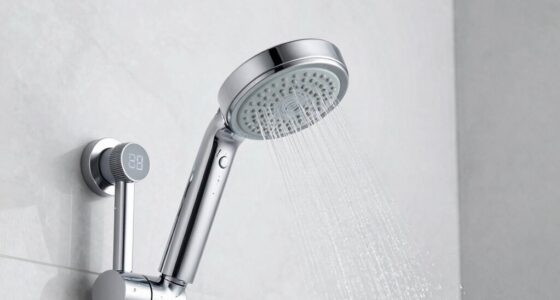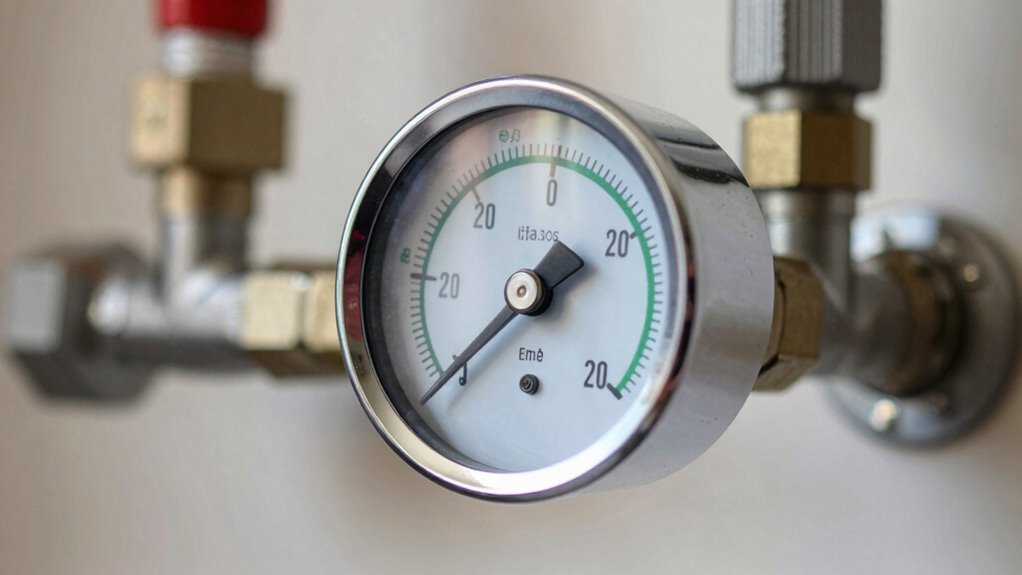

To protect your fixtures and pipes, aim to keep your water pressure between 40 and 60 psi, which is considered safe and effective. Excessively high pressure can cause leaks, pipe bursts, and fixture damage, while low pressure results in weak water flow. Regularly monitor and adjust your pressure to stay within this range, ensuring your plumbing system operates smoothly. If you want to learn more about maintaining ideal water pressure, keep exploring these essential tips.

Prime made for students and young adults
- Fast, free delivery for dorm and study essentials
- Prime Video and Amazon Music included
- Member-only deals
Key Takeaways
- The ideal water pressure range to protect fixtures and pipes is 40-60 psi.
- Excessively high pressure can cause leaks, pipe bursts, and fixture damage.
- Regularly monitoring and adjusting pressure regulators maintain safe pressure levels.
- Proper flow control devices prevent pressure surges and reduce stress on plumbing components.
- Maintaining balanced water pressure extends plumbing lifespan and minimizes repair costs.
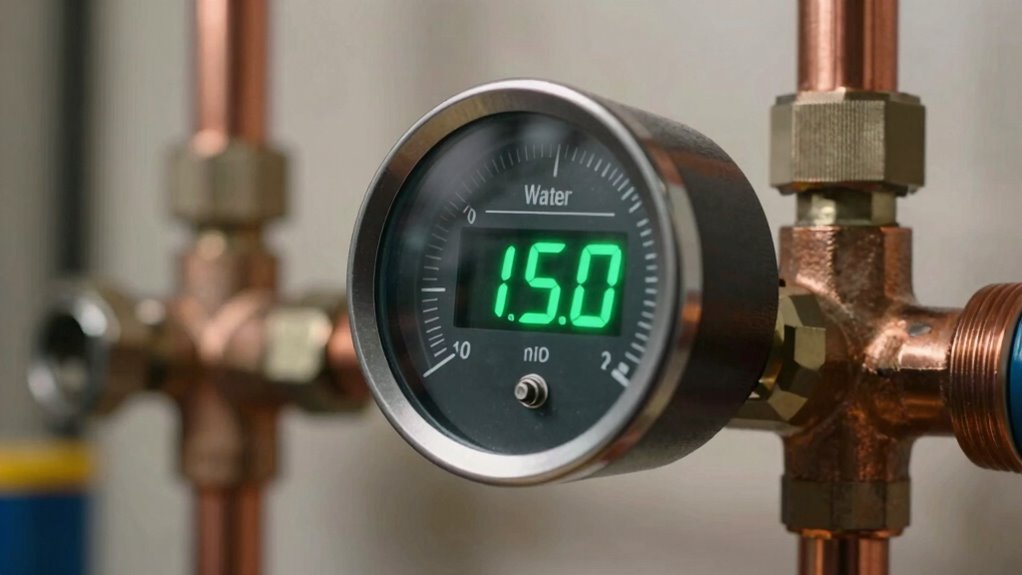
Ever wondered what your water pressure number really means? That number isn’t just a random figure; it’s a critical indicator of how well your plumbing system is functioning and how safe it is for your fixtures and pipes. Essentially, your water pressure number reflects the force at which water moves through your pipes. If the pressure is too high, it can cause stress on your plumbing, leading to leaks, pipe bursts, or fixture damage. Conversely, if it’s too low, you might experience weak water flow, which isn’t ideal for daily activities like showering or washing dishes. Understanding this number helps you maintain an ideal balance through pressure regulation and flow control, safeguarding your home’s plumbing infrastructure.
Your water pressure number indicates plumbing health—too high risks damage, too low causes weak flow. Maintain balance for safety and efficiency.
Proper pressure regulation is essential because it ensures your water pressure stays within a safe and efficient range. When pressure is too high, it puts unnecessary strain on your pipes and fixtures, increasing the risk of damage over time. Installing a pressure regulator or adjusting an existing one can help keep the pressure within recommended limits, typically between 40 and 60 psi (pounds per square inch). This regulation not only protects your plumbing but also helps you save water and energy by preventing excessive flow rates. If you notice fluctuating water pressure or hear loud banging noises, it might be time to check your pressure regulation devices and make adjustments accordingly. Monitoring your water pressure number regularly can help you identify potential issues early before costly damages occur. Regular maintenance and awareness of your plumbing system’s pressure management are key to avoiding unexpected failures. Understanding the plumbing system as a whole can aid in diagnosing issues more effectively. Additionally, understanding how pressure fluctuation impacts your plumbing components can help you prevent damage caused by sudden pressure changes.
Flow control is another key aspect tied directly to your water pressure number. It involves managing how much water flows through your fixtures and pipes at any given time. Proper flow control ensures that water moves smoothly without sudden surges or drops, which can stress your plumbing and cause damage. Devices like aerators, flow restrictors, or pressure-balancing valves help maintain a steady flow rate, especially during peak usage times. By controlling flow, you prevent sudden pressure spikes that could lead to pipe leaks or fixture malfunctions. Additionally, good flow control contributes to water efficiency, reducing waste and lowering your utility bills.
In essence, your water pressure number acts as a guide for maintaining a balanced plumbing system. It’s about more than just a number; it’s about understanding how pressure regulation and flow control work together to protect your fixtures and pipes. When you keep the pressure within the recommended range and guarantee proper flow control, you extend the lifespan of your plumbing, reduce costly repairs, and enjoy consistent water performance. Keep an eye on that pressure gauge and make adjustments as needed—your home’s plumbing will thank you for it.
As an affiliate, we earn on qualifying purchases.
Frequently Asked Questions
How Often Should I Check My Water Pressure?
You should check your water pressure at least once a year to make sure your system stays in good shape. Use a water pressure gauge to get an accurate reading, especially if you notice signs of pipe stress or fixtures acting up. Regular checks help you catch pressure issues early, preventing damage and costly repairs. If you experience fluctuations, consider consulting a professional to adjust or install a pressure regulator.
What Causes Fluctuations in Water Pressure?
Suddenly, your water pressure drops or surges—what’s causing it? Fluctuations often stem from pipe material, as older or corroded pipes can’t handle pressure changes well, or from pressure gauges giving inconsistent readings. Changes in demand, such as high usage or nearby construction, can also disrupt flow. These unpredictable shifts can damage fixtures or pipes, so understanding their causes helps you protect your plumbing system from costly surprises.
Can High Water Pressure Damage My Water Heater?
Yes, high water pressure can damage your water heater by reducing its lifespan and accelerating pipe corrosion. Excessive pressure forces the heater to work harder, increasing wear and tear. Over time, this can lead to leaks or failure. To prevent this, make certain your pressure stays within recommended levels, and consider installing a pressure regulator. Proper maintenance helps extend your water heater’s life and keeps your plumbing system in good shape.
Is a Pressure Regulator Necessary for All Homes?
You might think a pressure regulator is unnecessary, but ironically, it’s your home’s silent hero. Without it, high water pressure can waste water and damage fixtures, undermining your water conservation efforts. Regular plumbing maintenance, including installing a regulator, guarantees consistent pressure, prevents leaks, and extends your system’s lifespan. So yes, for efficient water use and protecting your plumbing, a pressure regulator is a wise investment in every home.
How Do I Lower Water Pressure Safely?
To lower water pressure safely, start by attaching a pressure gauge to a faucet to measure your current water flow. If it’s too high, turn off the main water supply and locate your pressure regulator. Adjust the regulator’s screw or bolt to reduce pressure gradually—usually a quarter turn at a time—then check the gauge again. This method helps maintain safe water pressure, protecting your fixtures and pipes.
As an affiliate, we earn on qualifying purchases.
Conclusion
So, next time your shower turns into a water park ride or your pipes start singing their own tune, remember that water pressure number. Think of it as the magical number that keeps your plumbing from turning into a wild roller coaster. Too high, and you’re on the brink of a flood; too low, and your faucet’s just a fancy drip. Keep that pressure in check, or prepare for aquatic chaos—without the fun.
As an affiliate, we earn on qualifying purchases.
As an affiliate, we earn on qualifying purchases.
Columbus Day / Indigenous Peoples' Day Picks
long weekend sales
As an affiliate, we earn on qualifying purchases.