
Rust-colored stains on your fixtures usually mean more than just surface dirt—they’re a sign of iron in your water, which can come from aging pipes or groundwater sources. These stains indicate a larger water quality issue that could lead to plumbing damage and health concerns if left unchecked. Addressing the root cause with proper filtration and testing can prevent long-term problems. Keep exploring to discover how you can effectively manage and resolve iron-related water issues.

Prime made for students and young adults
- Fast, free delivery for dorm and study essentials
- Prime Video and Amazon Music included
- Member-only deals
Key Takeaways
- Rust-colored stains on surfaces indicate iron presence and may signal ongoing water contamination issues.
- Persistent staining suggests high iron levels, often linked to groundwater sources or deteriorating plumbing.
- Regular water testing helps identify iron concentrations before stains become severe.
- Addressing iron stains early can prevent plumbing damage and escalate water quality problems.
- Implementing effective filtration systems reduces iron-related stains and indicates proactive water management.
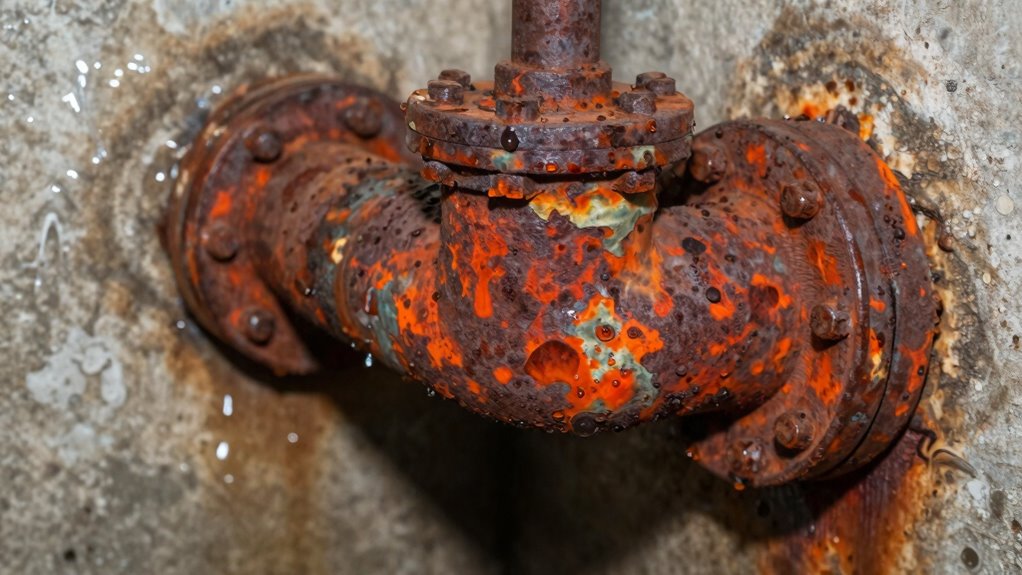
Have you ever noticed a strange, rust-colored mark that seems to appear out of nowhere? That telltale stain is more than just dirt or grime—it’s often a sign of iron in your water. When iron particles seep into your water supply, they can leave behind stubborn stains on sinks, toilets, and laundry. But more importantly, these stains serve as a warning indicator of larger water issues lurking beneath the surface. Ignoring this clue can lead to more significant problems, including damage to pipes and appliances, and even health concerns if iron levels become excessive.
Understanding the root of this problem begins with recognizing how iron enters your water. Usually, it’s due to aging pipes or groundwater sources rich in iron. To combat the staining and prevent future buildup, rust prevention becomes vital. Installing a quality water filtration system tailored to remove iron compounds can dramatically reduce the likelihood of persistent stains and safeguard your plumbing. A good water filtration setup not only tackles existing iron but also acts as a barrier against further contamination, ensuring cleaner, clearer water. Regular maintenance of your filtration system is essential to keep it functioning effectively and prevent iron from bypassing the filter. Additionally, understanding the sources of iron in groundwater can help you better manage and prevent future contamination. Being aware of groundwater infiltration can further inform your mitigation strategies and protect your household from long-term damage.
Furthermore, exploring advanced water treatment techniques can provide more comprehensive solutions to iron-related issues, especially in areas with high groundwater iron levels. The presence of rust stains is a clear sign that your water quality needs attention. It’s not just a cosmetic annoyance but an indicator that iron levels are high enough to cause damage over time. By proactively implementing rust prevention measures and maintaining effective water filtration, you can improve your water’s quality, protect your plumbing, and avoid the health risks associated with contaminated water. Recognizing this stain as a clue allows you to take swift action before the problem escalates into more serious issues, turning a simple stain into an important warning sign.
In essence, that rusty mark is your water’s way of whispering that something’s wrong. Pay attention, act quickly, and prioritize proper water filtration to address the root cause. Doing so not only keeps your home looking cleaner but also preserves the longevity of your plumbing and ensures your water remains safe and healthy for everyday use. Regular water testing can help you stay ahead of potential problems and ensure your water quality remains optimal. Being aware of how iron infiltrates groundwater can further inform your mitigation strategies and protect your household from long-term damage.
As an affiliate, we earn on qualifying purchases.
Frequently Asked Questions
How Can I Prevent Iron Stains in My Home?
To prevent iron stains in your home, start by installing effective water filtration systems that target iron removal. Regularly maintain and replace filters to guarantee they work efficiently. Consider using a water softener if iron levels are high, as it helps reduce staining. Also, run cold water first in the morning and avoid leaving water sitting in pipes to minimize iron deposits. These steps keep your home cleaner and stain-free.
What Are the Health Risks Associated With Iron in Water?
Iron in your water can pose health risks like iron poisoning, especially with high levels, leading to symptoms like stomach pain, nausea, and fatigue. It also causes water discoloration, which can stain clothes and fixtures. While small amounts are generally safe, prolonged exposure to elevated iron levels might impact your health. To stay safe, consider testing your water regularly and installing filtration systems to reduce iron content.
How Often Should I Test My Water for Iron Levels?
You should test your water for iron levels at least once a year through water testing and iron monitoring. If you notice rust-colored stains, metallic taste, or foul odor, increase testing frequency to every few months. Regular testing helps you catch iron buildup early, preventing damage and health risks. Keep track of your results to determine if your water treatment needs adjustment or if professional intervention is necessary.
Are There Eco-Friendly Methods to Remove Iron Stains?
Imagine your sink sparkling with the gentle touch of nature—eco-friendly solutions can make that happen. You can use natural stain removal methods like vinegar, baking soda, or lemon juice, which naturally lift iron stains without harsh chemicals. These eco-friendly solutions are safe for your home and the environment. Regularly applying these natural remedies keeps your fixtures clean and stain-free, proving that effective cleaning can be kind to the planet too.
Can Iron Stains Indicate Other Underlying Plumbing Issues?
Yes, iron stains can signal underlying plumbing issues like iron bacteria growth or high water hardness. Iron bacteria thrive in water with elevated iron levels, causing stains and potential pipe blockages. Water hardness can also lead to mineral buildup, worsening stains and plumbing wear. If you notice persistent iron stains, it’s wise to have your water tested and your plumbing inspected, as these issues often indicate broader water quality problems needing attention.
whole house water filtration system for iron
As an affiliate, we earn on qualifying purchases.
As an affiliate, we earn on qualifying purchases.
Conclusion
So, next time you notice that stubborn iron stain, consider it more than just a nuisance—see it as a clue. It might hint at a bigger water problem beneath the surface, like high iron levels or underlying pipe issues. Don’t dismiss it as just dirt; investigate further. Addressing the root cause early can save you from costly repairs later. Sometimes, a simple stain reveals a much deeper, hidden water concern you can’t afford to ignore.
As an affiliate, we earn on qualifying purchases.
rust stain remover for sinks and toilets
As an affiliate, we earn on qualifying purchases.
As an affiliate, we earn on qualifying purchases.
Fall Picks
fall essentials
As an affiliate, we earn on qualifying purchases.