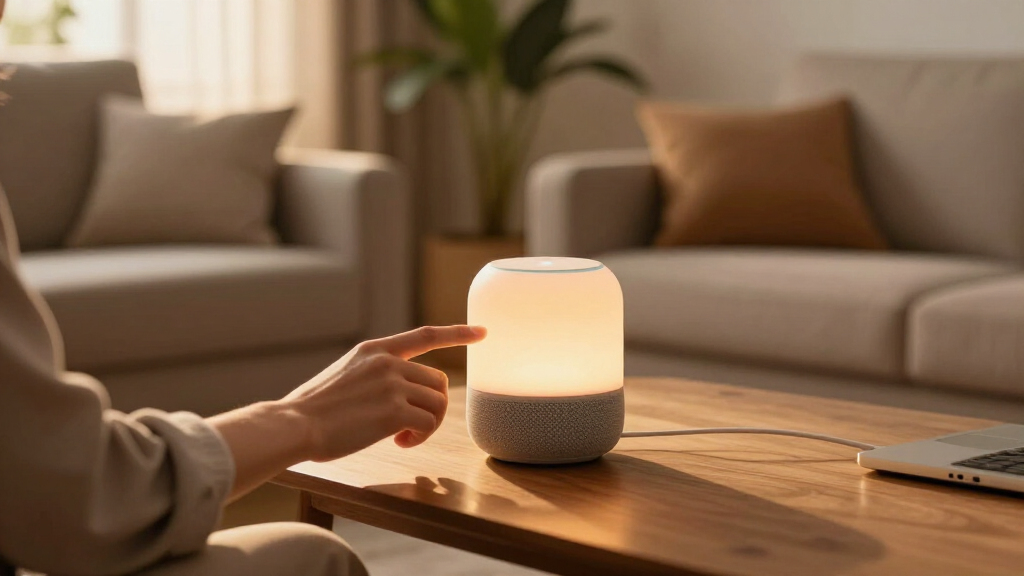
🔍 Read the full analysis: A Look At 14 Cutting-Edge AI Home Devices For 2026 on ThorstenMeyerAI.com
Open a free Amazon Business account
Business pricing, bulk buying and tax-exempt orders.
Create a free accountAs an affiliate, we earn on qualifying purchases.
TL;DR
This article reviews 14 advanced AI home devices anticipated for 2026, focusing on features, compatibility, and their impact on smart living. It highlights the most innovative options and what to consider when choosing.
Fourteen next-generation AI home devices are expected to launch or be widely available by 2026, transforming how consumers manage and interact with their living spaces. For an overview of some of the most innovative options, see the original analysis. These devices feature advanced AI capabilities, improved integration, and enhanced privacy options, making smart homes more responsive and intuitive. The development underscores the accelerating trend toward AI-driven automation in residential environments, driven by innovations from leading tech companies and startups alike.
Among the most notable devices is the Home Energy Monitor with IoT and AI Integration, which offers comprehensive energy insights and automation capabilities. Learn more about how AI is transforming home automation in this guide. It stands out for its ability to optimize energy use in real-time, helping homeowners reduce costs and carbon footprint. The SwitchBot AI Hub is gaining attention for its support of the Matter protocol and local storage, allowing seamless integration across various smart home ecosystems while enhancing privacy and responsiveness.
The Multi-Functional AI Voice Control Panel provides an intuitive interface that combines voice commands with visual feedback, catering to users who prioritize ease of use and accessibility. Other devices include AI-enhanced security systems, smart lighting with adaptive learning, and advanced climate control units, all designed to work with or enhance existing smart home setups. For insights into AI features in home theater projectors, see this article. Industry experts note that these devices leverage local AI processing to minimize latency and improve data privacy, a key trend for 2026.
The 14 picks
- 1
 SwitchBot AI Hub with OpenClaw Support and Local Camera StorageView on Amazon →
 - 2
 Hubitat Elevation C-8 Pro Smart Home Automation Hub – Matter 1.5, Z-Wave 800…View on Amazon →
 - 3
 Multi-Functional AI Voice Control Panel with Mechanical LCD Keys and Secondar…View on Amazon →
 - 4
 Home Energy Monitor – Real Time Electricity Usage Monitor with AI-Powered Ana…View on Amazon →
 - 5
 SenseCAP Watcher W1-A Physical AI Agent, Clear Enclosure, Compatible with Hom…View on Amazon →
 - 6
 iSG Box SE ZB Smart Home Hub with Preinstalled Home AssistantView on Amazon →
 - 7
 AI-Powered Smart Home DevicesView on Amazon →
 - 8
 iSG Box SE Smart Home Hub with Preinstalled Home AssistantView on Amazon →
 - 9
 Arduino Home Automation Projects: Automate Your Home Using the Arduino PlatformView on Amazon →
 - 10
 SwitchBot Smart mmWave Radar Motion Sensor, Bluetooth Presence Sensor with Dy…View on Amazon →
 - 11
 Meross Presence Sensor MS605, IP67 Battery-Powered, Matter Over ThreadView on Amazon →
 - 12
 AI-Powered Smart Home Guide 2026: A Step-by-Step Guide to Designing, Optimizi…View on Amazon →
 - 13
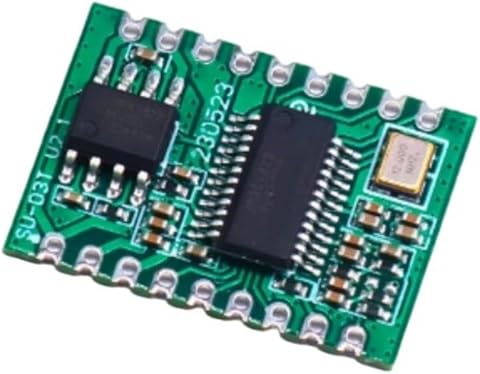 Local AI Voices Command Processor for Home Automation SystemsView on Amazon →
 - 14
 AI Powered Smart Home Guide for Beginners 2026View on Amazon →
Why These Devices Will Reshape Smart Homes in 2026
The upcoming wave of AI-powered home devices signals a significant shift toward more personalized, efficient, and secure smart home environments. By integrating advanced AI with local processing, these devices promise faster responses and enhanced privacy, addressing common consumer concerns. Their compatibility with existing ecosystems ensures easier adoption, while their innovative features could set new standards for automation, energy management, and security in residential spaces. This evolution could influence market dynamics, consumer expectations, and the development of future smart home technologies.
Market Trends and Industry Developments Leading to 2026
Over the past few years, the smart home market has seen rapid growth, driven by advancements in AI, IoT connectivity, and user demand for convenience and energy efficiency. Major tech companies have invested heavily in developing AI-driven automation tools, with many devices now supporting protocols like Matter, Zigbee, and Z-Wave to ensure broad compatibility. The push toward local AI processing reflects a broader industry focus on privacy and speed, as cloud-based solutions face scrutiny over data security and latency issues. These trends suggest that 2026 will be a pivotal year for AI home devices, with many products expected to incorporate multi-protocol support, improved user interfaces, and smarter automation capabilities.
Unconfirmed Features and Market Adoption Challenges
While many devices are announced or expected to launch by 2026, specific features, pricing, and compatibility details remain uncertain. It is not yet clear how widely these devices will be adopted outside early adopters, or how effectively they will integrate with diverse existing ecosystems. Additionally, the pace of technological advancements and potential regulatory changes could influence their market success and feature sets.
Upcoming Launches and Industry Announcements to Watch
Manufacturers are expected to unveil detailed product specifications and release dates throughout 2025, with some devices already entering beta testing phases. Industry events such as CES 2025 and IFA 2025 will likely showcase many of these innovations, providing clearer insights into their capabilities and ecosystem compatibility. Consumers and industry watchers should monitor these developments to gauge how these devices will shape smart home living in 2026 and beyond.
Key Questions
Will these AI home devices work with my existing smart home system?
Most of the upcoming devices are designed for broad compatibility, supporting protocols like Matter, Zigbee, or Z-Wave. However, it is advisable to verify specific device compatibility with your current ecosystem before purchasing.
Are local AI processing devices more secure than cloud-based options?
Generally, yes. Devices with local AI processing operate without sending data to external servers, reducing exposure to breaches and enhancing privacy. Nonetheless, security also depends on the device’s encryption and firmware updates.
Will I need to replace my current smart home devices to use these new AI products?
Not necessarily. Many new AI devices are backward compatible or designed to integrate with existing setups, especially if they support common protocols. Compatibility checks are recommended before upgrading.
What features should I prioritize when choosing AI home devices for 2026?
Prioritize compatibility with your existing ecosystem, local AI processing for privacy and speed, ease of setup, and multi-protocol support to future-proof your smart home.
How soon will these devices be available for purchase?
Most are expected to be announced or released throughout 2025, with widespread availability anticipated by early 2026. Industry events will provide more precise timelines.
Source: ThorstenMeyerAI.com
Fall Picks
fall essentials
As an affiliate, we earn on qualifying purchases.