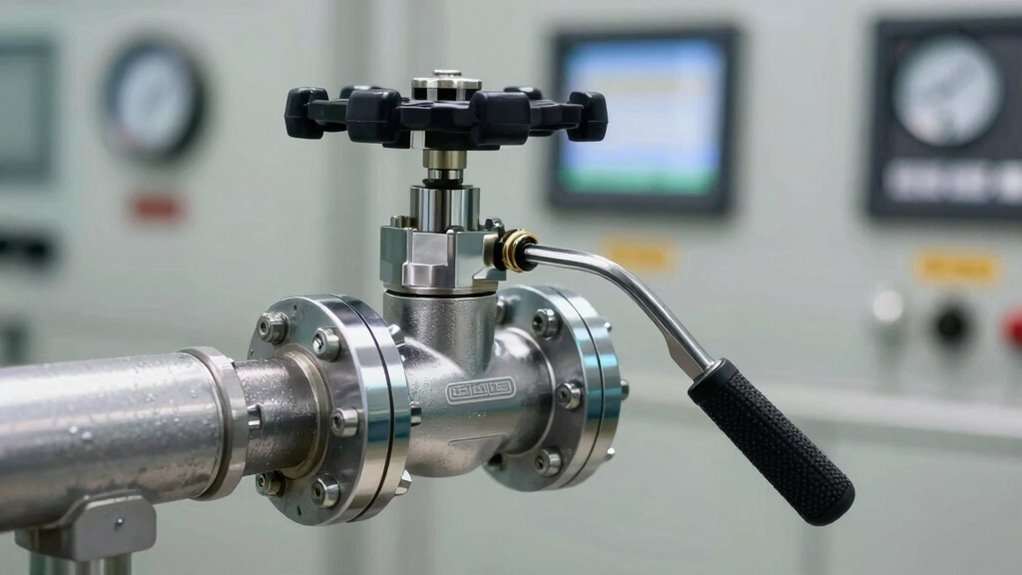

Automatic shutoff valves are essential for preventing water damage, but they can fail or malfunction during emergencies. Relying solely on automatic systems increases your risk of water damage, which can lead to costly repairs and water wastage. Having a manual backup guarantees you can act quickly if the automatic valve fails. It’s vital to regularly maintain and test manual valves to keep them functioning properly. Keep going to discover how you can set up and maintain an effective backup plan.

Prime made for students and young adults
- Fast, free delivery for dorm and study essentials
- Prime Video and Amazon Music included
- Member-only deals
Key Takeaways
- Automatic valves can malfunction during emergencies, risking water damage without manual intervention.
- Manual backups provide a safety net if automatic systems fail or experience power issues.
- Routine testing and maintenance ensure manual valves operate reliably when needed.
- Clear procedures enable quick manual shutoff, reducing water waste and damage during leaks.
- Understanding system components helps identify issues early and maintain overall system dependability.

Automatic shutoff valves are essential for preventing water damage and ensuring safety, but relying solely on their automatic function isn’t enough. While these valves are designed to detect leaks or failures and shut off the water supply instantly, they can still encounter issues that prevent them from functioning correctly. That’s why having a manual backup plan is critical. Regular valve maintenance plays a significant role in guaranteeing your automatic shutoff valves operate as intended. You need to routinely inspect the valves for signs of corrosion, debris, or wear that could hinder their response during an emergency. Proper maintenance not only prolongs the life of your valves but also makes certain they can activate swiftly when needed.
Regular maintenance ensures automatic shutoff valves function properly and respond swiftly during emergencies.
In addition to routine maintenance, you should establish clear emergency procedures. In the event that the automatic valve fails or doesn’t respond quickly enough, knowing how to manually shut off the water supply becomes indispensable. This means training yourself and any staff or household members on how to locate and operate the manual shutoff valve. Without this knowledge, you risk delaying action during a water leak or burst pipe, which could lead to extensive damage. Having a detailed, easy-to-follow plan helps you act fast, reducing potential repair costs and water wastage.
A manual backup doesn’t replace the importance of valve maintenance; instead, it complements it. Faulty or poorly maintained automatic valves may not trigger during a leak, and in such cases, your manual shutoff becomes your safety net. Installing accessible and clearly labeled manual shutoff valves near main water lines ensures you can respond promptly. It’s equally important to periodically test these manual valves to confirm they turn easily and function correctly. This proactive approach minimizes the risk of mechanical failure during an emergency. Additionally, understanding the functionality of automatic shutoff valves can help you better maintain and troubleshoot your system effectively. Regularly reviewing your system’s components and their reliability ensures you remain prepared for unexpected failures. Incorporating preventive maintenance practices based on manufacturer guidelines can further enhance the system’s dependability. Moreover, understanding how automatic shutoff valves operate can assist you in diagnosing issues early, preventing potential failures before they occur. Staying informed about system components and their proper functioning can also help prevent unnecessary downtime and damage.
Furthermore, integrating your automatic shutoff system into your broader safety protocols offers additional protection. Regularly scheduled emergency drills can help you and others stay familiar with manual procedures. Combining routine valve maintenance with well-practiced emergency procedures creates a layered defense against water damage. Relying solely on automatic shutoff valves neglects the possibility of malfunction, human error, or unforeseen circumstances. By implementing a manual backup plan, you guarantee that, regardless of the automatic system’s performance, you’re prepared to act swiftly and prevent costly damage. This proactive approach guarantees your safety, preserves property, and gives you peace of mind knowing you’re covered from all angles.
manual shutoff valve for water supply
As an affiliate, we earn on qualifying purchases.
As an affiliate, we earn on qualifying purchases.
Frequently Asked Questions
How Often Should Manual Backup Systems Be Tested?
You should test your manual backup systems at least once every six months. During these tests, guarantee sensor calibration is accurate and reliable, so the system responds correctly. Incorporate emergency drills to simulate real-life scenarios, helping you identify any issues and improve response times. Regular testing and calibration keep your backup system effective, guaranteeing safety and functionality when automatic shutoff valves fail or need manual intervention.
What Are the Costs Associated With Installing Manual Backups?
The costs for installing manual backups include initial investment, which varies based on system complexity and size. You’ll also face installation challenges like space constraints and integration with existing systems. Cost considerations involve equipment, labor, and potential downtime. While upfront expenses can be significant, a manual backup enhances safety and reliability, potentially saving you money in the long run by preventing costly damage or failures during automatic valve malfunctions.
Are Manual Backups Compatible With All Types of Shutoff Valves?
Think of manual backups like a sturdy bridge—built to connect and support. Valve compatibility varies, so not all manual backups fit every shutoff valve type. You must check each valve’s design and specifications to guarantee smooth backup integration. Some valves are more adaptable, while others require custom solutions. Always verify compatibility beforehand, or you risk a backup plan that’s more obstacle than safety net.
How Does Weather Affect Manual Backup Effectiveness?
Weather vulnerabilities can substantially impact your manual backup’s effectiveness. Extreme cold may cause backup components to freeze or become brittle, reducing durability. Heavy rain or flooding can impair access or weaken connections, making your backup less reliable. To guarantee consistent protection, you need to take into account weather vulnerabilities and select backup systems with high durability. Regular maintenance and proper storage also help your manual backup withstand harsh conditions, maintaining safety when automatic valves fail.
Who Is Responsible for Maintaining Manual Backup Plans?
You’re responsible for maintaining manual backup plans, especially when it comes to emergency procedures. While automatic shutoff valves act quickly, a manual backup guarantees safety during power failures or mechanical issues. Training requirements are key; you must regularly update staff on manual operation procedures. By doing so, you create a reliable safety net, balancing automated efficiency with human oversight, ensuring everyone knows what to do when technology fails.
automatic water shutoff valve backup
As an affiliate, we earn on qualifying purchases.
As an affiliate, we earn on qualifying purchases.
Conclusion
Imagine a fire alarm that works only when it feels like it—relying solely on automatic shutoff valves is just as risky. Without a manual backup, a system failure could flood your home or cause costly damage. Studies show that 30% of automatic valve failures occur during power outages or malfunctions. Always have a manual plan; it’s your safety net, ensuring you’re not caught off guard when technology lets you down.
As an affiliate, we earn on qualifying purchases.
accessible main water shutoff valve
As an affiliate, we earn on qualifying purchases.
As an affiliate, we earn on qualifying purchases.
Halloween Picks
halloween
As an affiliate, we earn on qualifying purchases.