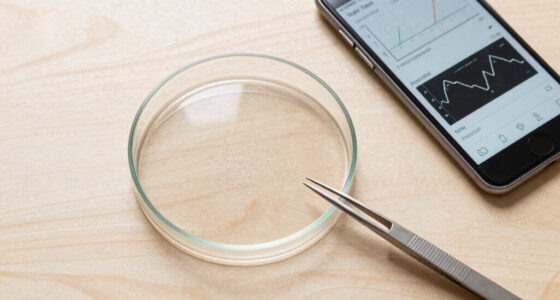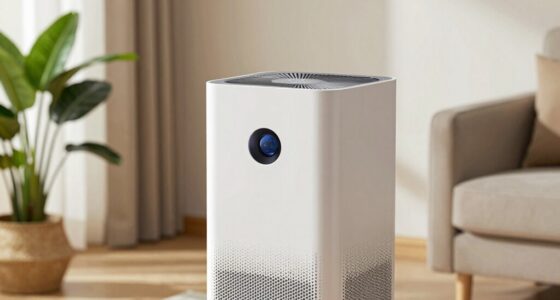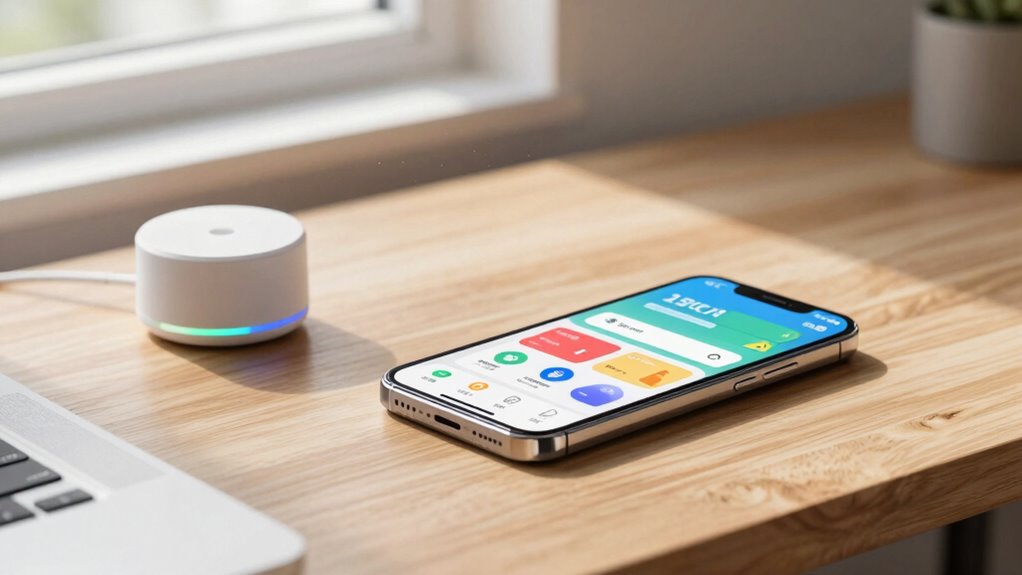

Sensor apps often display a single Indoor Air Score that simplifies complex air quality data, but this can be misleading. They heavily depend on sensors that may be uncalibrated or drift over time, causing inaccurate readings. This score masks important details like pollutant types and severity, leading you to potentially misguided decisions. To truly understand your indoor air, it’s essential to recognize these limitations — and you’ll find more insights as you explore further.
Open a free Amazon Business account
Business pricing, bulk buying and tax-exempt orders.
As an affiliate, we earn on qualifying purchases.
Key Takeaways
- Indoor Air Scores often mask complex pollutant data, oversimplifying air quality assessment.
- Sensor calibration issues, including drift, can lead to inaccurate readings and misleading scores.
- Reliance on uncalibrated sensors may cause false confidence or unnecessary actions based on flawed data.
- Self-calibration features help maintain accuracy but are not universally available or reliable.
- Recognizing sensor limitations and calibration needs is essential for making informed indoor air quality decisions.
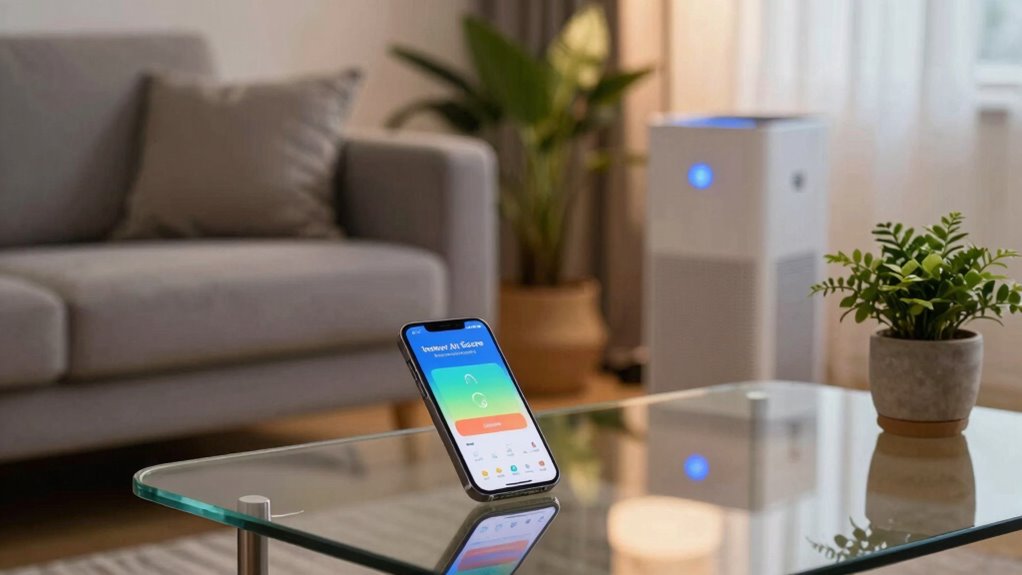
Have you ever wondered how clean and safe the air inside your home really is? Many of us rely on sensor apps to give us a quick read on indoor air quality, but the truth is, these tools often don’t tell the full story. They depend heavily on air quality measurement, which can be misleading if the sensors aren’t properly calibrated. Sensor calibration is vital because it ensures that the readings you see are accurate and consistent over time. Without it, the data could be off, making you believe the air is cleaner—or more polluted—than it actually is. This discrepancy is at the heart of the Indoor Air Score problem, where the scores generated by these apps often don’t reflect real conditions.
When you use a sensor app, you’re trusting that the device has been correctly calibrated and that the measurements are reliable. But calibration isn’t always a given. Over time, sensors drift, meaning their sensitivity shifts, leading to inaccurate readings. Many manufacturers don’t provide clear instructions on how to recalibrate their devices, so you’ll often end up relying on outdated or inaccurate data. This means you might think the air quality is good when it’s actually compromised, or vice versa. The problem becomes even more complicated because these apps usually present a single score, simplifying complex data into a single number. That score can be helpful for quick checks, but it often masks the nuances of different pollutants or the true severity of indoor air issues.
You might wonder if these sensor apps are worth trusting at all. The answer is, they can be useful tools, but only if you understand their limitations. Proper air quality measurement depends on accurate sensor calibration, which isn’t always maintained in consumer-grade devices. Many sensors need regular recalibration, and if neglected, they provide skewed data that can lead you to make misguided decisions—whether that’s opening a window or investing in an air purifier. Recognizing the effects of sensor drift and how it impacts measurements is crucial for interpreting indoor air data more accurately. Without proper calibration, the Indoor Air Score is essentially a flawed snapshot, not an accurate reflection of your environment. Recognizing this, some advanced sensor systems incorporate self-calibration features to help maintain accuracy over time. This helps you approach sensor app data with a healthy dose of skepticism and encourages you to seek professional testing when necessary. Additionally, understanding sensor drift and how it affects measurements can help you better interpret your indoor air quality data. Ultimately, understanding the importance of air quality measurement and sensor calibration can save you from making choices based on unreliable information and help you create a truly healthier indoor environment.
indoor air quality monitor with calibration
As an affiliate, we earn on qualifying purchases.
As an affiliate, we earn on qualifying purchases.
Frequently Asked Questions
How Accurate Are Current Indoor Air Quality Sensors?
You might find current indoor air quality sensors fairly accurate initially, but their precision can decline over time due to sensor longevity issues. Regular air quality calibration is essential to maintain accuracy, as sensors can drift and become less reliable. Keep in mind, the longer a sensor is in use, the more likely it is to need calibration or replacement to guarantee you get dependable readings for a healthier indoor environment.
Can Sensor Apps Truly Improve Indoor Air Quality?
Sensor apps can truly improve your indoor air quality, like a vigilant guardian watching over your space. By integrating with smart home systems, they provide real-time data that influences your behavior—like opening windows or adjusting vents. This proactive approach helps you maintain healthier air, but only if the sensors are accurate and your responses are timely. When used correctly, these apps become powerful tools to create a cleaner, safer environment.
What Are Common Misconceptions About Indoor Air Scores?
Many believe air quality scores are perfectly accurate, but air quality myths persist due to sensor accuracy issues. You might assume these scores reflect real-time conditions precisely, yet they often overlook factors like calibration, placement, or sensor quality. Don’t rely solely on these scores; instead, combine them with other methods like ventilation checks and air testing. Understanding sensor limitations helps you better interpret indoor air quality, avoiding false security.
How Do Indoor Air Scores Compare to Professional Assessments?
Your indoor air scores are like a flickering candle compared to the blazing sun of professional assessments. While sensor apps give you quick insights into air quality, they often face limitations like inaccurate readings or missed pollutants. Professionals use advanced tools and extensive testing to provide an all-encompassing view, making their assessments far more reliable. Trusting sensor scores alone might leave you in the dark about your true indoor air health.
Are There Privacy Concerns With Sensor App Data Collection?
Privacy concerns are a real issue with sensor app data collection, especially regarding data security. You might worry about your personal information being accessed or misused. To protect yourself, make certain the app has strong security measures and clear privacy policies. Be cautious about what data you share, and regularly review permissions. Staying informed helps you maintain control over your data and minimizes privacy risks while using sensor apps.
air quality sensor calibration kit
As an affiliate, we earn on qualifying purchases.
As an affiliate, we earn on qualifying purchases.
Conclusion
You see, the indoor air score is like a flickering lighthouse in the fog—promising guidance but often obscured by shadows of inaccuracy. As you navigate the maze of sensor apps, remember they’re just the compass, not the destination. Trust your senses and question the numbers, for beneath their surface lies a hidden storm. Only by peeling back the layers can you truly clear the air and breathe freely in your home’s unseen depths.
smart air purifier with sensor calibration
As an affiliate, we earn on qualifying purchases.
As an affiliate, we earn on qualifying purchases.
professional indoor air quality tester
As an affiliate, we earn on qualifying purchases.
As an affiliate, we earn on qualifying purchases.
Flea & tick season Picks
flea and tick prevention
As an affiliate, we earn on qualifying purchases.