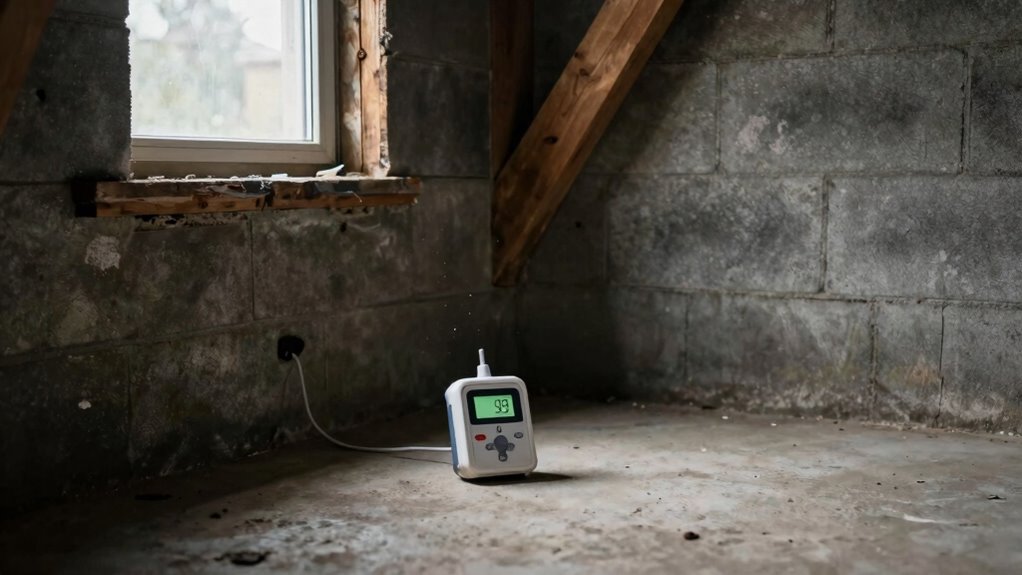

Radon testing matters even in “normal” basements because levels can vary due to soil conditions, weather, and seasons, and may still reach unsafe levels without visible signs. Even if your space seems fine, radon can seep in unnoticed through entry points like soil gas pathways. Regular testing helps catch hidden risks early, so you can take steps to protect your household. Keep going to understand more about how effective mitigation keeps your home safe.
Open a free Amazon Business account
Business pricing, bulk buying and tax-exempt orders.
As an affiliate, we earn on qualifying purchases.
Key Takeaways
- Radon levels can vary and may be high even in seemingly normal basements.
- Regular testing detects hidden radon risks before health effects occur.
- Indoor radon can infiltrate through soil entry points regardless of basement appearance.
- Testing helps determine if mitigation strategies like ventilation are needed.
- Proactive testing ensures ongoing home safety and protection for residents.
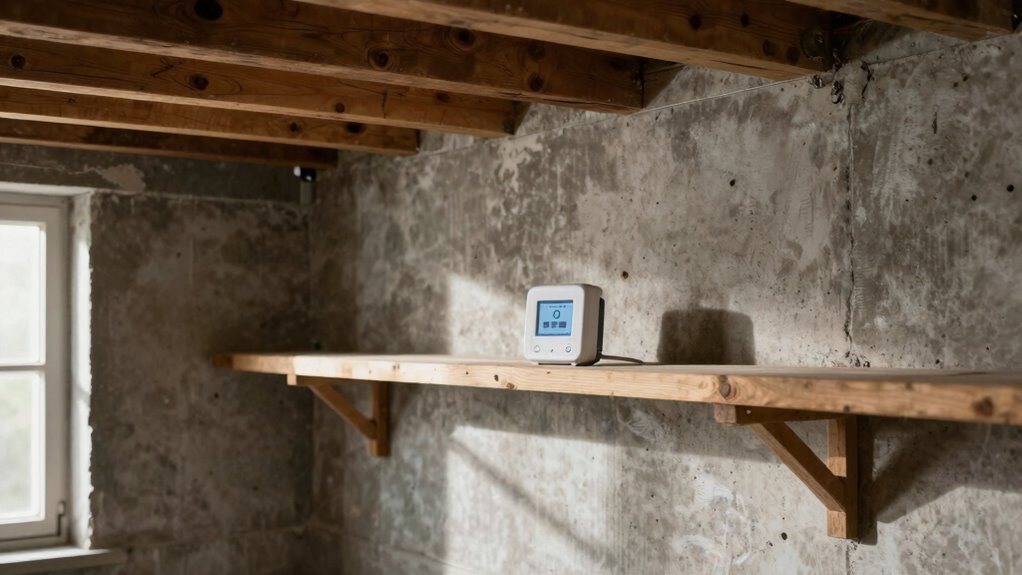
One effective approach involves basement ventilation techniques. Proper ventilation helps dilute radon concentrations by increasing air circulation, which prevents the gas from building up to dangerous levels. Installing ventilation systems, such as fans or exhaust vents, can considerably decrease radon presence. These systems work best when combined with other mitigation methods, creating an all-encompassing barrier against radon infiltration. You might also consider passive ventilation by opening windows or installing vent pipes that draw radon outdoors, but active systems tend to provide more reliable, consistent results.
It’s important to understand that radon levels can fluctuate based on weather, seasons, and even daily changes, so regular testing remains essential even if your initial results were low. If you discover high levels of radon, you’ll need to implement more targeted radon mitigation strategies. These often include sub-slab depressurization, which involves installing a vent pipe and fan system beneath your basement slab to actively draw radon from beneath the house and vent it outside. Such systems are highly effective and can be tailored to your specific home layout, ensuring radon doesn’t linger indoors.
Including ventilation techniques as part of your overall radon mitigation strategies can significantly reduce radon levels and promote better indoor air quality. Proper ventilation is a simple, cost-effective way to complement other measures, especially in homes where installing a full radon mitigation system might be more involved. Additionally, understanding radon infiltration mechanisms can help you better address potential entry points for the gas. Recognizing how soil gas entry occurs provides insight into where radon may infiltrate your home and how to block those pathways. Being aware of how soil conditions influence radon levels can further help in developing effective mitigation strategies. Moreover, knowing about radon entry points can help prioritize areas for sealing or ventilation improvements. Remember, even “normal” basements can harbor unsafe radon levels, so testing is your first line of defense. By understanding the importance of ventilation and mitigation strategies, you’re taking proactive steps to safeguard your home and loved ones from this silent, invisible threat.
As an affiliate, we earn on qualifying purchases.
Frequently Asked Questions
How Often Should I Test for Radon in My Basement?
You should test your basement for radon at least once every two years, or more often if you’ve had radon mitigation installed or if your home undergoes significant changes. Regular testing helps guarantee indoor air quality stays safe, as radon levels can fluctuate. If levels are high, mitigation measures can reduce risk. Staying proactive with testing keeps your home healthier and protects you from radon-related health issues.
Can Radon Levels Vary Seasonally in My Basement?
You’ll find that radon levels can dance a bit with seasonal fluctuations, influenced by the radon source and weather patterns. During colder months, the house’s air pressure changes can draw more radon in, causing a temporary increase. Conversely, warmer seasons might see lower levels. Regular testing helps you stay in the know, ensuring your basement remains a safe haven no matter the season.
Are There Health Risks From Low Radon Levels?
Low radon levels generally pose minimal health risks, but it’s a common Radon myth that any amount is completely safe. Even small exposures can impact lung health over time, especially if you’re consistently exposed. Regular testing helps you understand your home’s specific radon level and dispels myths about safety. Protect your lung health by staying informed, testing regularly, and taking action if levels rise, no matter how low they seem.
Is Professional Testing More Accurate Than DIY Kits?
Think of DIY radon testing as using a flashlight in a dark room—helpful, but sometimes missing hidden corners. Professional testing, with advanced equipment, provides more accurate results because it detects lower radon levels and accounts for variables DIY kits might overlook. DIY misconceptions can lead you to underestimate radon risks, but trained professionals guarantee thorough testing. So, investing in expert testing can truly protect your home’s health.
What Steps Can I Take to Reduce Radon Levels?
To reduce radon levels, you should consider radon mitigation techniques like installing a vent pipe system and a fan to vent radon outside. Improving air circulation by opening windows and using fans can also help lower radon concentrations temporarily. Regular testing is essential to monitor progress and guarantee your mitigation measures are effective. These steps create a safer environment by actively reducing radon buildup in your basement.
As an affiliate, we earn on qualifying purchases.
Conclusion
Even if your basement seems normal and there’s no obvious smell or symptoms, testing for radon is still essential. You might think it’s unnecessary or worry about the hassle, but understanding the risks helps you protect your family’s health. Radon exposure is silent but dangerous, so taking a quick test isn’t just about following advice—it’s about being proactive. Don’t wait for symptoms or issues to arise; peace of mind starts with a simple test.
As an affiliate, we earn on qualifying purchases.
As an affiliate, we earn on qualifying purchases.
Fall Picks
fall essentials
As an affiliate, we earn on qualifying purchases.