
Constantly checking your email trains your brain to seek immediate updates, breaking your focus and diminishing productivity. When you glance frequently, notifications create a dopamine cycle that encourages dependency and false urgency, leading to distraction and stress. Batch checking can help, but often causes anxiety if timing is uncertain. To regain control, develop simple routines, limit interruptions, and set specific times for email. Keep going to learn how to break these habits and improve your concentration.
Key Takeaways
- Constantly checking emails creates distraction and breaks deep focus, reducing overall productivity.
- Frequent email notifications trigger anxiety and false urgency, impairing mental clarity.
- Infrequent or unpredictable checks risk missing urgent messages, increasing stress and distraction.
- Relying on notifications for updates reinforces compulsive checking and inbox obsession.
- Unstructured email routines cause mental fragmentation, hindering sustained attention and task completion.
WiFi Power Failure Alarm with Multi-User Email Alert (Up to 4 Addresses) – 120dB Siren, 6 Alarms, Simultaneous Notification for All Family/Business Members, Ideal for Freezer, Sump Pump, GFCI Monitor
Developed by professional engineers with over 20 years of experience, for reliability. Beaware! We recommend using email notifications,…
As an affiliate, we earn on qualifying purchases.
As an affiliate, we earn on qualifying purchases.
Why Do We Feel the Need to Check Emails All the Time?

You often feel the urge to check your emails repeatedly because your brain has become conditioned to seek immediate updates and responses. This cycle fuels email anxiety, making you worry about missing important messages or deadlines. Over time, you develop an inbox obsession, where your focus shifts from meaningful tasks to constant monitoring. This habit creates a false sense of control, but it actually chips away at your productivity and peace of mind. The fear of missing out or falling behind drives you to refresh your inbox repeatedly, reinforcing the cycle. Your brain craves the quick dopamine hit that comes with each new notification, keeping you hooked. Recognizing this pattern is the first step toward breaking free from the compulsive need to check emails constantly. Additionally, understanding how the role of contrast ratio impacts visual clarity can help you appreciate the importance of clear, focused environments that reduce distractions.
Brain Booster: Focus & Relax
1)Experience deep relaxation with soothing music for stress relief.
As an affiliate, we earn on qualifying purchases.
As an affiliate, we earn on qualifying purchases.
Is Batch Checking Really Better Than Constant Glances?

Is batch checking emails truly more effective than glancing at your inbox sporadically? Many believe that consolidating email checks reduces distraction and boosts focus. However, this approach can lead to email anxiety, as you might worry about missing urgent messages. Constant glances can cause notification fatigue, making you feel overwhelmed and distracted throughout the day. While batching aims to limit interruptions, it may actually increase stress if you’re unsure about the timing of your checks. If you check infrequently, you risk missing critical updates, fueling anxiety. On the other hand, frequent glances can help you stay updated but also fragment your attention. The key is finding a balance that minimizes notification fatigue without amplifying email anxiety or disrupting your workflow. User consent management plays a crucial role in how you control notifications and maintain focus.

ZERONE CENTRE Productivity Weekly Planner – 54 Sheets Dashboard Spiral Deskpad Has 6 Focus Areas to List Tasks for Goals, Projects, Clients, Academic, or Shopping-Organize Your Daily Work Efficiently
PRACTICAL AND VALUABLE -This undated weekly productivity notepad focus on the important work and get organized. Whether you're…
As an affiliate, we earn on qualifying purchases.
As an affiliate, we earn on qualifying purchases.
Do Frequent Email Checks Make You Feel More Productive?
Frequent email checks can create the illusion of increased productivity, as staying constantly connected may make you feel more in control of your work. However, this habit often fuels email anxiety, making you worry about missing important messages. The constant influx of notifications overloads your senses, giving a false sense of urgency that encourages repeated checking. While you might believe frequent email glances save time, they actually fragment your focus and disrupt deep work. Instead of feeling more productive, you become trapped in a cycle of distraction and stress. Over time, this habit erodes your ability to concentrate, reducing overall efficiency. Recognizing that more frequent checks don’t translate into better productivity is key to breaking free from the false comfort they provide. Being mindful of your everyday safety and well-being can help you establish healthier email habits and protect your focus.

ProCase Noise Reduction Ear Muffs, Sound Proof Ear Protection, NRR 28dB Noise Cancelling Headphones for Adults Kids Autism, Hearing Protection for Shooting Gun Range Mowing -Red
Constructed by solid ABS shell and thickened foam, the ear muffs achieve NRR 28 dB (SNR 34 dB)…
As an affiliate, we earn on qualifying purchases.
As an affiliate, we earn on qualifying purchases.
How Do Email Interruptions Break Your Focus?
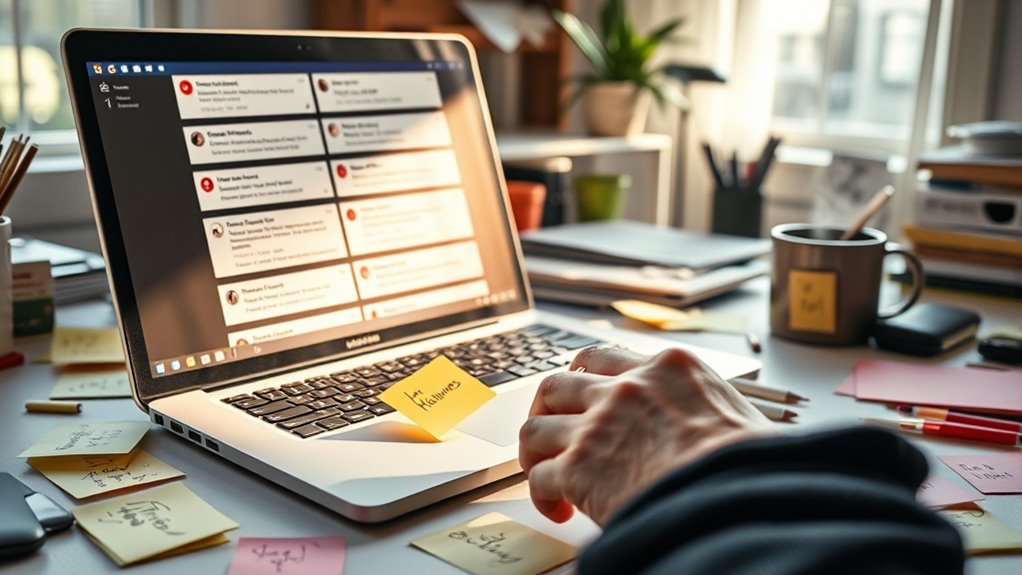
Email interruptions can shatter your focus in an instant, pulling your attention away from the task at hand. When you hear that notification ping, it triggers email anxiety, making you worry about missing something important. This anxiety fuels the distraction cycle, as you switch from your current task to check your inbox. Each interruption breaks your train of thought, forcing you to restart your mental flow, which hampers productivity and deep focus. Over time, this constant disruption weakens your ability to concentrate and can increase stress. The more you allow email notifications to interrupt you, the more your focus deteriorates. Recognizing how these interruptions impact your mental clarity is the first step toward breaking free from the cycle and regaining control over your attention. Effective email management techniques can help minimize these disruptions and protect your focus.
Simple Ways to Stop Unhealthy Email Habits and Reclaim Focus

To break free from unhealthy email habits, start by setting clear boundaries for when and how often you check your inbox. Limiting your email sessions reduces email overload and inbox anxiety, helping you regain focus. Instead of constant checking, designate specific times—like morning, midday, and late afternoon—to review emails. Turn off notifications to avoid interruptions. Use the table below to plan your email schedule:
| Time of Day | Action | Purpose |
|---|---|---|
| Morning | Check and prioritize emails | Reduce inbox overload |
| Midday | Respond to urgent messages | Minimize distractions |
| Evening | Review and delete unnecessary emails | Clear inbox before end of day |
Implementing a consistent routine can help you develop simple systems that support your focus and productivity. Stick to this routine to improve concentration and reclaim your productivity.
Frequently Asked Questions
How Can I Reduce My Email Checking Frequency Effectively?
To cut down your email checking, set specific times for checking your inbox and stick to them. Use email etiquette by replying promptly and keeping messages clear, so you don’t feel the need to revisit them constantly. Organize your inbox with folders and filters to prioritize important messages. This reduces the urge to check frequently, helping you stay focused and manage your time better.
What Are the Signs of Email Addiction?
Think of email addiction as a trap snapping shut. You may notice email anxiety creeping in, feeling uneasy whenever your inbox isn’t open, or an obsessive need to check your emails constantly. If you can’t resist opening every message immediately, even during personal time, and feel anxious or distracted when away from your device, you’re likely battling inbox obsession. Recognizing these signs is the first step to regaining control.
Are There Tools to Block Email Distractions?
Yes, there are tools to block email distractions that can help you with an email detox and better inbox management. Apps like Freedom, Cold Turkey, and StayFocusd let you set scheduled email breaks or block access entirely during focused periods. These tools help you resist constant email checking, allowing you to regain control over your productivity and reduce stress caused by email overload. Give them a try to stay more focused and efficient.
How Does Email Overload Affect Mental Health?
Email overload is a storm that clouds your mental sky, making stress management harder. When you constantly check emails, it drains your focus and increases anxiety, acting like a weight on your mind. To protect your mental health, consider a digital detox—limit email checking and prioritize important messages. This helps you regain control, reduce overwhelm, and keep your mind clear and calm amid the chaos.
Can Scheduled Email Times Improve Overall Focus?
Scheduling specific email times can markedly improve your focus by enabling effective email batching, where you check and respond to messages at set intervals. This reduces constant interruptions and helps you stay on task. Additionally, managing notifications ensures you’re not distracted by every new email alert. By controlling your email habits this way, you create a more focused work environment, boost productivity, and lessen mental fatigue caused by email overload.
Conclusion
Did you know that checking emails every 10 minutes can reduce your productivity by up to 20%? By breaking the habit of constant email checks, you’ll reclaim focus and work more efficiently. Remember, setting specific times to review your inbox helps you stay in control rather than letting notifications control you. Take small steps today—your focus and overall productivity will thank you for it.