To maximize safety, install smoke alarms on the ceiling or high on walls in key areas like bedrooms and hallways, keeping them at least 10 feet from kitchens and bathrooms to avoid false alarms. Place CO alarms at knee level or about 5 feet above the floor, avoiding dead air spaces behind furniture. Proper placement and maintenance are vital for early warnings. Keep going to discover more essential placement tips that can save lives.
Open a free Amazon Business account
Business pricing, bulk buying and tax-exempt orders.
As an affiliate, we earn on qualifying purchases.
Key Takeaways
- Smoke alarms should be installed on the ceiling or high on walls, at least 10 feet from kitchens and bathrooms.
- CO alarms should be placed at knee level or about 5 feet above the floor for accurate detection.
- Avoid installing alarms in dead air spaces like behind furniture or curtains to ensure proper airflow.
- Install smoke alarms in bedrooms, hallways, and every level; CO alarms near sleeping areas for early warning.
- Proper placement and interconnectivity of alarms maximize early detection and enhance overall safety.
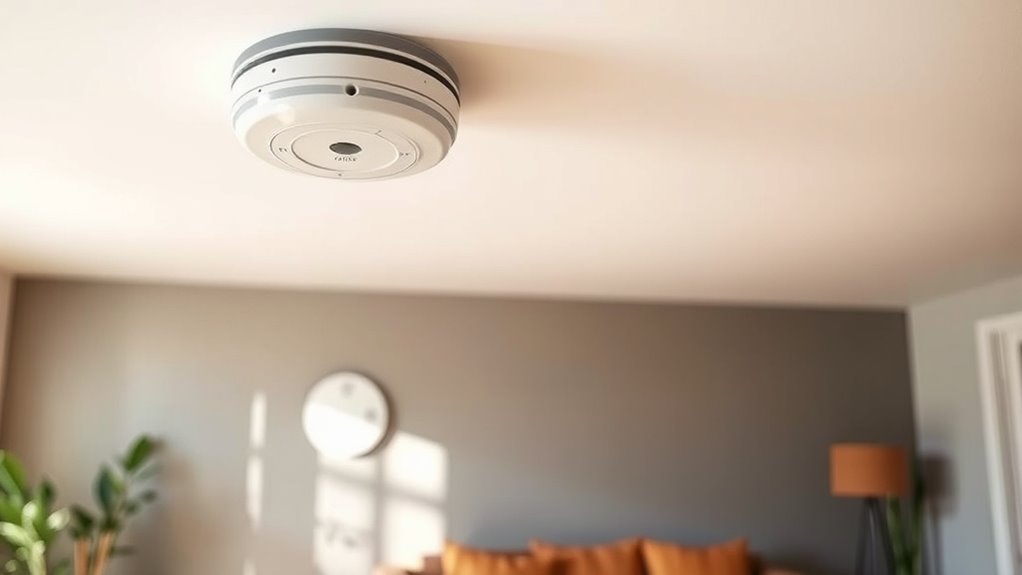
When it comes to safeguarding your home, understanding the differences between smoke and carbon monoxide (CO) alarms is vital. These devices serve different purposes, but both are essential for your fire safety and overall well-being. Proper placement and regular alarm maintenance ensure they function correctly when you need them most. Smoke alarms detect the presence of smoke, usually from fires, and should be installed in areas like bedrooms, hallways, and on every level of your home. CO alarms, on the other hand, monitor dangerous carbon monoxide levels, a colorless, odorless gas produced by appliances like furnaces and water heaters. Installing CO alarms near sleeping areas and on every level helps protect your family from silent, deadly leaks.
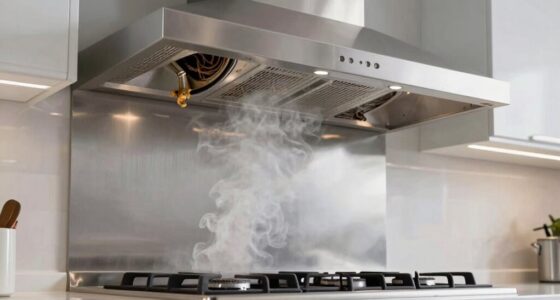
To maximize their effectiveness, you need to be strategic about placement. Smoke alarms should be mounted on the ceiling or high on a wall because smoke rises. Keep them at least 10 feet from kitchens or bathrooms to minimize false alarms caused by cooking or showers. CO alarms are best placed at knee level or on the wall about 5 feet above the floor, since carbon monoxide mixes evenly with the air. Avoid placing alarms in dead air spaces, like behind furniture or curtains, where airflow might prevent proper detection. Maintaining these alarms is equally important; test them monthly by pressing the test button to confirm they’re working, and replace batteries at least once a year or whenever they start chirping warning of low power. Regular alarm maintenance also includes cleaning the units to prevent dust buildup, which can interfere with sensors. Additionally, understanding alarm interconnectivity can significantly improve your safety by ensuring all alarms sound simultaneously during an emergency.
Beyond individual alarm maintenance, you must also guarantee alarms are correctly installed for maximum fire safety. Follow the manufacturer’s instructions carefully, and consider replacing alarms every 10 years or sooner if they malfunction. Installing interconnected alarms, so that when one detects danger, all units sound off, can greatly improve your safety by providing early warnings throughout your home. Remember, alarms are only effective if they’re working properly and placed correctly, so don’t neglect routine checks and updates. Proper alarm placement and diligent alarm maintenance create a reliable safety net, giving you peace of mind and vital seconds to respond during emergencies. By staying proactive with your fire safety measures, you guarantee your home remains protected from unseen hazards and that your loved ones stay safe, no matter what.
As an affiliate, we earn on qualifying purchases.
Frequently Asked Questions
How Often Should Smoke and CO Alarms Be Tested?
You should test your smoke and CO alarms at least once a month to ensure they’re working properly. Regular testing is part of your maintenance schedule and is vital for alarm placement safety. Press the test button on each alarm, and replace batteries or units as needed, usually every year or according to the manufacturer’s instructions. Proper maintenance and correct placement can save lives in emergencies.
Can Smoke and CO Alarms Be COmbined Into One Device?
Yes, you can get combination alarms that integrate smoke and CO detection into one device. These combination alarms simplify device integration, saving space and reducing the number of alarms you need to install. Make certain to choose a certified, reliable model and follow the manufacturer’s instructions for placement. Regular testing remains essential to ensure both detection functions work properly, keeping you and your loved ones safe.
What Are the Battery Replacement Requirements for Alarms?
You should replace the batteries in your alarms at least once a year to guarantee proper function. Check the battery life regularly, and if your device chirps or the low-battery warning sounds, replace the batteries immediately. Even if it’s a sealed or long-life battery, follow the manufacturer’s replacement schedule, typically every 7-10 years, to keep your smoke and CO alarms reliable and effective in alerting you during emergencies.
Are There Specific Alarms Recommended for Allergy Sufferers?
If you’re allergy sufferers, you should look for allergy friendly alarms with hypoallergenic alarm features. These alarms are designed to minimize dust and allergen build-up, reducing trigger risks. Select models with sealed batteries and dust-resistant covers to further improve air quality. Always check product labels for allergy-friendly certification, and regularly clean and maintain your alarms to guarantee they stay effective and safe for sensitive respiratory systems.
How Do I Know if My Alarm Is Still Functioning Properly?
You might think your alarm is working fine, but regular device inspection is essential. To verify proper alarm maintenance, test your smoke or CO alarm monthly by pressing the test button—if it sounds, it’s functioning. Replace batteries annually or as needed. Consider using alarm maintenance checks or professional inspections to confirm your device’s reliability, giving you peace of mind that it’ll alert you in an emergency.
carbon monoxide detector wall mount
As an affiliate, we earn on qualifying purchases.
As an affiliate, we earn on qualifying purchases.
Conclusion
By following proper placement rules for smoke and CO alarms, you critically reduce the risk of deadly fires and poisoning. Some might think alarms are unnecessary if their home is “safe,” but accidents can happen unexpectedly. Installing alarms correctly ensures early detection, giving you vital extra minutes to escape. Don’t wait until it’s too late—prioritize these simple placements today to protect yourself and loved ones from preventable tragedies.
interconnected smoke and CO alarms
As an affiliate, we earn on qualifying purchases.
As an affiliate, we earn on qualifying purchases.
As an affiliate, we earn on qualifying purchases.
NFL season / tailgating Picks
team gear
As an affiliate, we earn on qualifying purchases.