
The 20-20-20 rule helps you prevent eye strain by reminding you to look at something 20 feet away for at least 20 seconds every 20 minutes of screen time. It’s effective at reducing discomfort, dryness, fatigue, and headaches caused by prolonged viewing. However, it doesn’t fix underlying vision problems or replace good ergonomic habits. To protect your eyes fully, explore additional tips that enhance your overall visual health. If you want to learn more, keep going.

Prime made for students and young adults
- Fast, free delivery for dorm and study essentials
- Prime Video and Amazon Music included
- Member-only deals
Key Takeaways
- The rule helps reduce eye strain, dryness, fatigue, headaches, and blurred vision caused by prolonged screen use.
- It does not address underlying vision issues or replace regular eye checkups.
- The 20-20-20 rule complements ergonomic practices like proper monitor positioning and posture.
- It cannot eliminate digital eye strain caused by environmental factors like glare or poor lighting.
- The rule is a helpful reminder but should be part of a comprehensive visual health strategy.
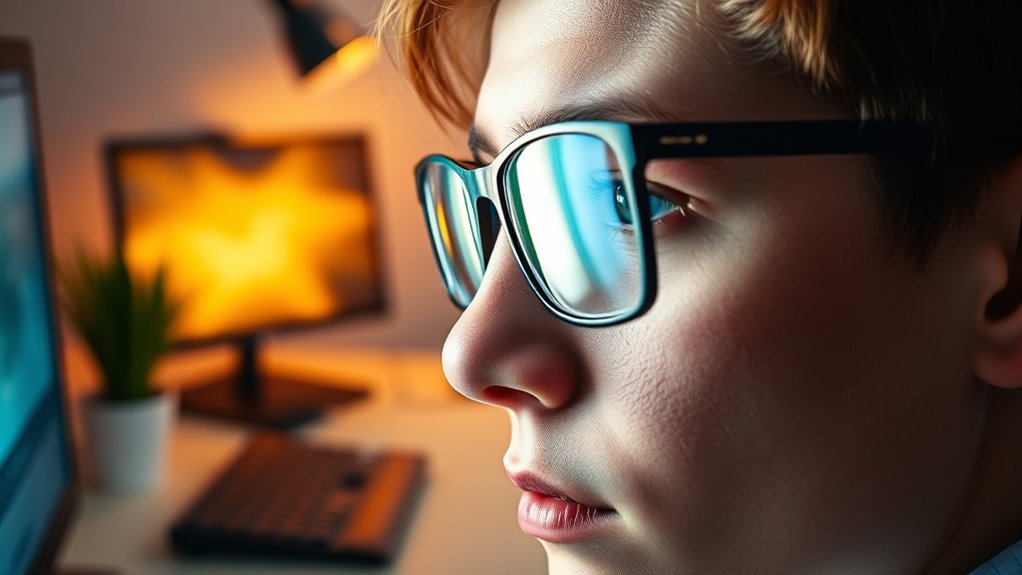
If you spend long hours in front of a screen, the 20-20-20 rule offers a simple way to protect your eyes. It’s a quick reminder to take regular breaks, reducing strain and supporting your visual health. When you follow this rule—every 20 minutes, look at something 20 feet away for at least 20 seconds—you give your eyes a much-needed rest from constant focus on digital screens. This simple habit can help prevent eye discomfort, dryness, and fatigue that often come with prolonged screen time.
Maintaining good ergonomic habits plays a *vital* role alongside the 20-20-20 rule. Adjust your workspace so that your monitor is at eye level and about an arm’s length away. Proper positioning minimizes the need to tilt or strain your neck and eyes, which can lead to discomfort over time. Good ergonomics also involve sitting with your back supported, shoulders relaxed, and feet flat on the floor. When your body is well-aligned, your eyes don’t have to work as hard to focus or compensate for poor posture, further reducing visual stress.
Good ergonomics reduce eye strain and enhance visual comfort during screen time.
Incorporating these habits helps protect your visual health in the long run. By reducing eye strain, you lessen the risk of developing symptoms like headaches, blurred vision, or dry eyes. The 20-20-20 rule acts as a practical cue to remind you to give your eyes a break, but it’s equally important to adopt ergonomic habits that support your overall comfort. For example, dimming your screen brightness to match ambient light reduces glare, which can cause additional strain. Using anti-reflective coatings or screen filters can also help minimize reflections that bother your eyes.
While the 20-20-20 rule is effective for reducing eye fatigue, it doesn’t address all issues related to digital eye strain. It won’t fix underlying vision problems or eliminate the need for regular eye checkups. Nor does it replace good ergonomic practices or the importance of proper lighting and screen positioning. It’s a helpful, easy-to-remember strategy, but you should view it as part of a broader approach to maintaining your visual health. Additionally, choosing high-quality home theatre projectors with accurate color and contrast can reduce eye strain during extended viewing sessions.
Popular right now

KitchenAid Artisan 5-Quart Tilt-Head Stand Mixer, Dried Rose (KSM150PS)

KitchenAid Classic Series 4.5-Quart Tilt-Head Stand Mixer, Onyx Black

Roborock Q7 M5+ Robot Vacuum and Mop with Self-Emptying Dock
As an affiliate, we earn on qualifying purchases.
Frequently Asked Questions
Can the 20-20-20 Rule Prevent All Eye Strain?
No, the 20-20-20 rule can’t prevent all digital eye strain and visual fatigue, but it helps reduce them. When you follow the rule—taking a 20-second break every 20 minutes and focusing on something 20 feet away—you give your eyes a much-needed rest from prolonged screen time. However, other factors like screen glare, poor lighting, and blinking habits also contribute, so combining practices offers better protection.
How Long Does It Take to See Noticeable Benefits?
You’ll likely notice some visual improvement and symptom relief within a few days of consistently applying the 20-20-20 rule. Regular breaks help your eyes relax, reducing fatigue and strain. Keep in mind, though, individual results vary; some may see benefits sooner, while others might take a couple of weeks. Staying consistent is key to experiencing the full benefits of reduced eye discomfort and clearer vision.
Is the 20-20-20 Rule Suitable for Children?
Imagine guiding your child through a gentle breeze of eye care; the 20-20-20 rule suits children well, supporting their eye health while respecting their developmental needs. It’s safe for children, promoting child safety by reducing eye strain without interfering with their focus or growth. Just make certain they understand it’s a fun, easy habit, helping their eyes stay healthy and sharp as they learn and explore.
Are There Any Risks Associated With Frequent Breaks?
Frequent breaks can help prevent eye dryness and blurred vision, but they’re generally safe. However, if you overdo it or take excessively long breaks, you might experience eye strain or discomfort from sudden changes in focus. To avoid risks, make sure your breaks are balanced, and pay attention to how your eyes feel. Regularly practicing the 20-20-20 rule can improve comfort without introducing new issues.
Can This Rule Improve Long-Term Eye Health?
Think of your eyes as a delicate garden, needing regular care to flourish. The 20-20-20 rule can help slow age-related decline and support retinal health by reducing strain. While it won’t prevent all issues, consistent breaks encourage better long-term eye health, keeping your vision vibrant as you age. Incorporating this simple habit nurtures your eyes, helping them stay strong and resilient over time.
Conclusion
In the end, the 20-20-20 rule is a helpful tool to give your eyes a break and reduce strain. But remember, it’s not a catch-all solution—some issues need professional attention. Think of it as a piece of the puzzle, not the whole picture. Stick to the rule, stay mindful of your eye health, and don’t ignore the bigger picture. After all, a little prevention can save you from a lot of trouble down the road.