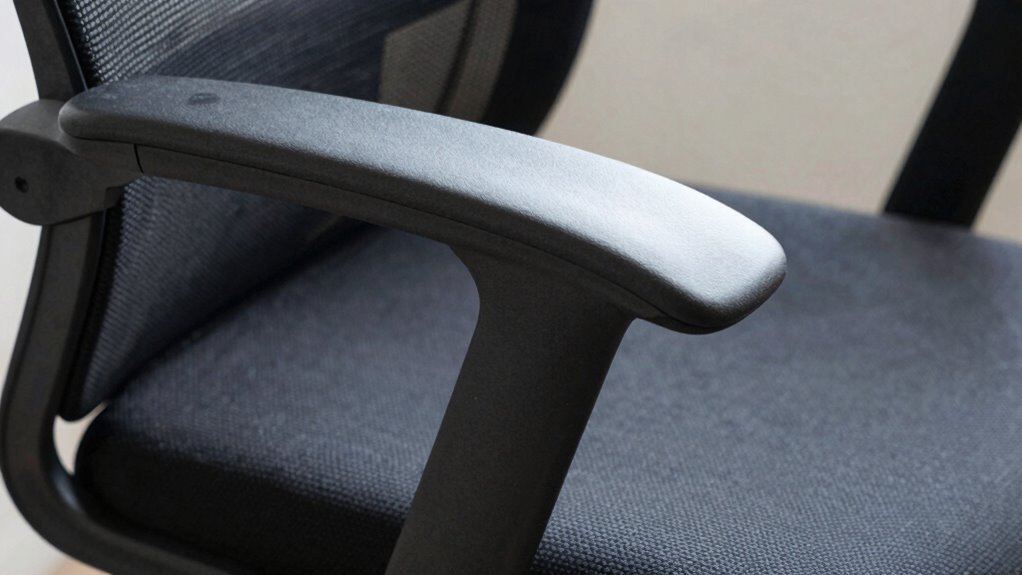

When armrests are almost right but not quite, small misalignments can cause discomfort and strain over time. If they’re too high or low, your shoulders may hunch or your arms may rest awkwardly, leading to tension and pain. Limited adjustability or poor design can prevent you from finding a perfect fit, making your muscles work harder than needed. To keep your comfort and health in check, understanding these issues better can make a big difference.
Listen free for 30 days with Audible
Thousands of audiobooks and originals — cancel anytime.
As an affiliate, we earn on qualifying purchases.
Key Takeaways
- Slight misalignments can cause shoulder tension, leading to discomfort or pain over time.
- Limited adjustment range prevents achieving optimal armrest height and position for individual users.
- Poor ergonomic design results in improper forearm support, increasing strain and fatigue.
- Difficult-to-operate adjustments hinder fine-tuning for personalized comfort.
- Small mismatches in width or angle can promote unnatural postures, causing discomfort or musculoskeletal issues.
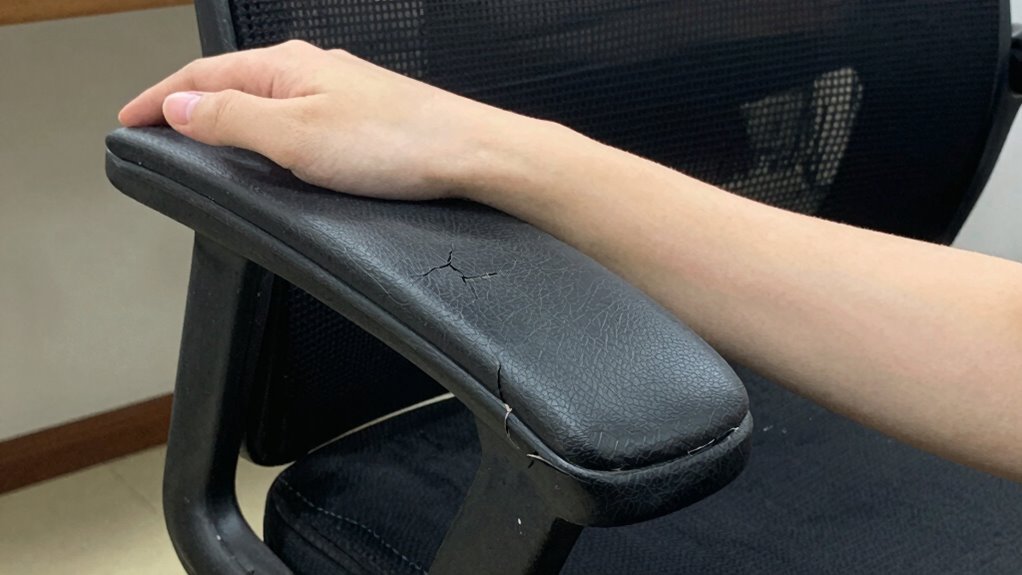
Armrests are supposed to provide comfort and support, but many people encounter problems that can make sitting less enjoyable. When armrests are “almost right,” it often means they’re just a little off from what you need, leading to discomfort or even pain over time. One common issue is that even with adjustable features, armrests might not be perfectly suited to your body’s unique shape or your desk height. You might find that they’re too high or too low, causing your shoulders to hunch or your arms to hang awkwardly. Adjustability is meant to solve these problems, but if the range of motion isn’t sufficient or the adjustments aren’t intuitive, you’ll still struggle to find a comfortable position. Poor ergonomic design can also contribute to these issues, as even slight misalignments can lead to discomfort. Another challenge arises from poorly designed ergonomic features. An ergonomic design aims to promote proper posture and reduce strain, but when it’s only “almost right,” it can have the opposite effect. For example, if the armrests are too narrow or too wide, they won’t support your forearms properly, leading to discomfort or fatigue. If they don’t pivot or slide forward and backward smoothly, you might have difficulty positioning them exactly where you need it, forcing your shoulders into tense or unnatural positions. This misalignment can cause tension headaches, shoulder pain, or even wrist strain if you’re constantly adjusting your posture to compensate. Additionally, adjustment mechanisms can sometimes be stiff or difficult to operate, further complicating the process of achieving the perfect fit. Even when armrests have adjustable features, many users overlook their limitations. The adjustments may be stiff, or the available positions may not accommodate different body types or desk setups. In some cases, the design limitations don’t allow for height or width customization, making it impossible to find that “almost right” spot that truly feels good. This can be especially frustrating if your workspace is shared or if multiple users need to use the same chair. The ergonomic design might be intended to promote comfort, but if it doesn’t account for variability in body sizes and preferences, it falls short. Recognizing these common ergonomic issues can help users select better chairs that truly meet their needs. Furthermore, understanding how to assess the adjustability features effectively can make a significant difference in finding a suitable chair. Ultimately, when armrests are only “almost right,” it’s often a matter of slight misalignments or inadequate adjustments that prevent you from achieving optimal comfort. The key lies in finding a chair with truly versatile, well-designed ergonomic features that can be fine-tuned to your specific needs. Until then, you might find yourself constantly adjusting or ignoring the armrests altogether, which defeats their purpose and makes sitting for extended periods uncomfortable.
ergonomic adjustable armrest for office chair
As an affiliate, we earn on qualifying purchases.
As an affiliate, we earn on qualifying purchases.
Frequently Asked Questions
How Do I Adjust Armrests for Optimal Comfort?
To adjust armrests for ideal comfort, start by setting the height so your shoulders relax and your elbows are at a 90-degree angle. Confirm the armrest padding feels soft yet supportive, reducing pressure on your arms. Consider the armrest design—look for adjustable or wide armrests that support your forearms evenly. Make small tweaks until you find a balance that minimizes strain and keeps you comfortable during long periods of sitting.
Can Armrest Height Affect Posture Negatively?
Your armrest height can be a trapdoor to poor posture if it’s not right. When armrest design doesn’t match your body, it forces your shoulders into strain or encourages slouching. Properly adjusted armrests promote posture correction by supporting your arms at a comfortable angle, preventing neck and shoulder pain. Keep them at elbow height for a balanced, natural position—otherwise, they can turn your workspace into a battleground for discomfort.
Are Armrests Suitable for All Body Types?
Armrests aren’t suitable for all body types since comfort depends on individual needs. If they’re too high or too low, they can cause discomfort, regardless of aesthetic appeal. You should consider cost considerations, but prioritize adjustable options for better support. Proper armrest height helps maintain good posture. Ultimately, choose armrests that fit your body shape and align with your aesthetic preferences to avoid strain and improve overall comfort.
How Do Armrests Impact Long-Term Spinal Health?
Armrests can impact your long-term spinal health if they cause armrest pressure or disrupt spinal alignment. Poorly positioned armrests may lead to muscle strain and posture issues over time. You might think it’s a small detail, but it’s the straw that breaks the camel’s back. To protect your spine, make sure armrests support your arms comfortably without pushing your shoulders up or compromising your natural spinal curve.
What Materials Are Best for Ergonomic Armrests?
For ergonomic armrests, choose materials that combine durability and aesthetic appeal. High-quality plastics, wood, or padded fabrics offer good durability, resisting wear over time. Leather or faux leather provides a sleek look and comfort, enhancing aesthetic design. These materials support your arms comfortably while maintaining their appearance, ensuring long-lasting functionality. Prioritize options that balance durability with style to create an ergonomic workspace that’s both functional and visually appealing.
ergonomic chair with customizable armrests
As an affiliate, we earn on qualifying purchases.
As an affiliate, we earn on qualifying purchases.
Conclusion
While armrests that aren’t quite right can seem like a small detail, they often lead to bigger discomforts over time. Think of them as the gentle nudge to pay closer attention to your comfort. Adjusting or choosing the perfect fit might feel like a minor tweak, but it can make all the difference in your day-to-day ease. Embrace the little changes—they’re the secret to turning a good chair into your favorite spot to settle in.
As an affiliate, we earn on qualifying purchases.
ergonomic office chair with pivoting armrests
As an affiliate, we earn on qualifying purchases.
As an affiliate, we earn on qualifying purchases.
Fall Picks
fall essentials
As an affiliate, we earn on qualifying purchases.