Standing all day can be worse than sitting because it puts sustained stress on your muscles, joints, and circulatory system, leading to fatigue, discomfort, and long-term health issues like varicose veins and joint pain. Without regular movement or proper support, you risk muscle fatigue, poor posture, and circulation problems. Learning how to balance standing with breaks and ergonomic solutions can help protect your health—stay with us to find out more.

Get school and study supplies delivered free — and shop member deals
- Fast, free delivery on millions of items
- Access to Prime Big Deal Days deals on October 6–7
- Prime Video, Amazon Music and more included
Key Takeaways
- Prolonged standing causes increased strain on lower back, legs, and joints, leading to fatigue and musculoskeletal issues.
- Standing all day impairs circulation, causing blood pooling, swelling, and a higher risk of varicose veins.
- Continuous standing without movement results in muscle fatigue, stiffness, and reduced mobility.
- Standing increases pressure on the feet and back, potentially causing discomfort and long-term postural problems.
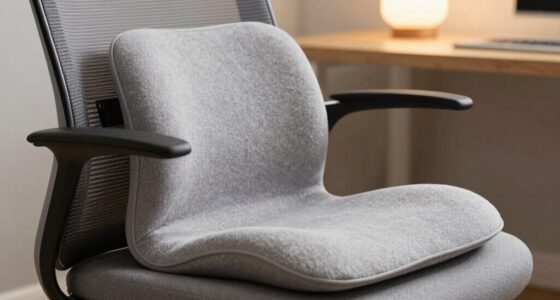
- Sitting with proper ergonomics allows for better muscle relaxation, circulation, and reduces overall strain.
As an affiliate, we earn on qualifying purchases.
The Hidden Health Risks of Prolonged Standing
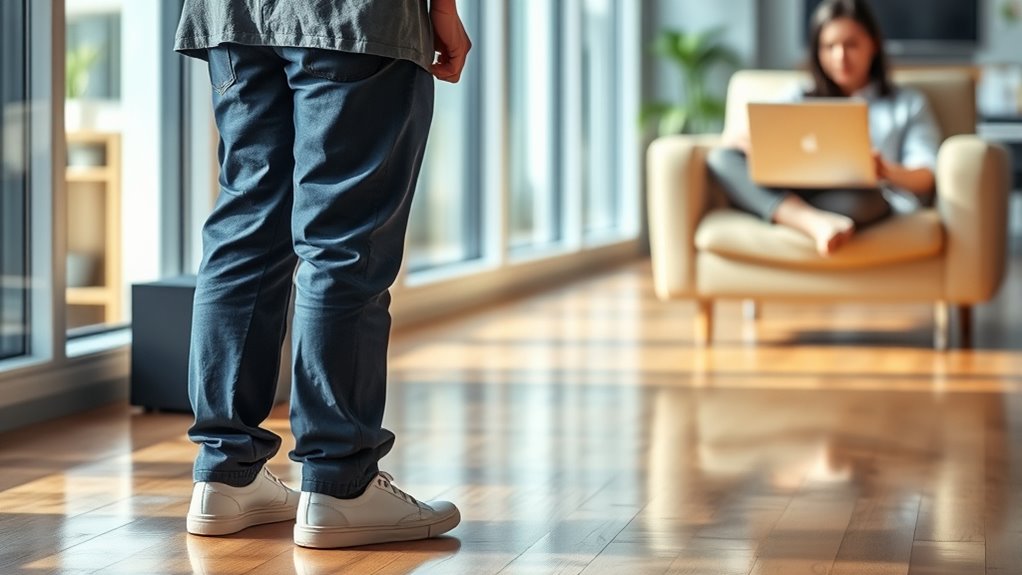
While standing might seem healthier than sitting, prolonged periods on your feet can secretly harm your health. Standing all day puts extra strain on your lower back and legs, increasing fatigue and discomfort. Without proper support, your posture can suffer, leading to musculoskeletal issues. Using an ergonomic chair during breaks helps reduce strain, but if you’re constantly on a standing desk, you risk developing varicose veins and joint pain. Alternating between sitting and standing with adjustable equipment can mitigate these risks. Remember, standing for long stretches without movement stresses your body in ways sitting doesn’t. Incorporating comfortable footwear and regular movement can further protect your health. Additionally, understanding air quality in your environment can help prevent respiratory issues caused by prolonged standing in poorly ventilated spaces. Being aware of the importance of movement can help you develop better routines to avoid future discomfort caused by prolonged standing. Regularly stretching exercises can also alleviate muscle tension and improve circulation, making it easier to maintain a healthy balance. Moreover, staying mindful of posture awareness is essential to prevent long-term musculoskeletal problems.
compression stockings for varicose veins
As an affiliate, we earn on qualifying purchases.
As an affiliate, we earn on qualifying purchases.
How Standing Contributes to Circulatory Problems
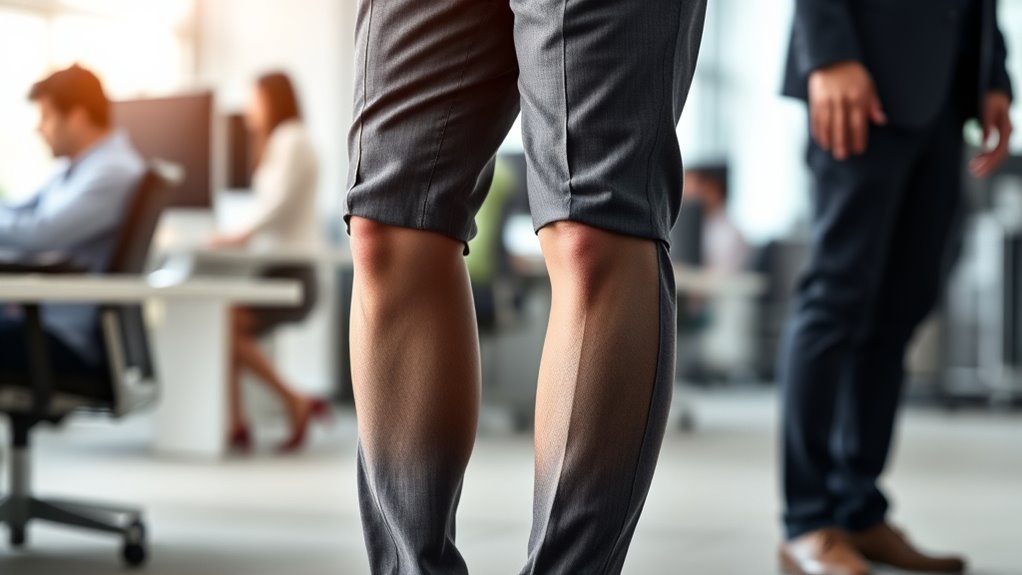
When you stand for long periods, blood tends to pool in your legs, making circulation less efficient. This increases your risk of developing varicose veins and other circulatory issues. Over time, your overall blood flow can become sluggish, impacting your health. Additionally, prolonged standing can lead to circulatory system strain, further exacerbating health problems. Incorporating movement and proper posture can help alleviate some of these issues, but understanding proper equipment maintenance may also play a role in overall health and safety. Recognizing the importance of authenticity in self-awareness can help individuals adopt healthier postures and movement habits to mitigate these risks.
Blood Pooling in Legs
Standing for long periods can cause blood to pool in your legs, which hampers circulation and increases pressure in the veins. When blood doesn’t flow smoothly back to your heart, it leads to poor blood circulation and can cause your legs to swell. You might notice your legs feeling heavy, achy, or swollen after hours of standing. The lack of movement prevents the muscles from helping pump blood upward, worsening blood pooling. Incorporating compression wear can help improve circulation and reduce swelling during prolonged periods of standing. Additionally, gentle leg exercises can activate the calf muscles, acting as natural pumps to facilitate blood flow back to the heart. Engaging in movement breaks at regular intervals can significantly improve blood flow and reduce the risk of circulatory problems. To reduce these effects, shifting your weight, stretching, or moving around periodically can help maintain healthy blood flow and prevent leg swelling. Using proper standing posture also plays a crucial role in minimizing strain and promoting better circulation throughout your legs.
Increased Varicose Risk
Prolonged standing puts your veins under increased pressure, which can lead to the development of varicose veins. When you stand for long periods, blood struggles to flow upward efficiently, causing it to pool in your legs. This extra pressure weakens vein walls and valves, increasing your risk of varicose veins. Over time, these enlarged, twisted veins can become painful and affect your vein health. Standing without movement reduces circulation and makes it harder for blood to return to your heart. If you want to protect your veins, it’s important to avoid prolonged standing and incorporate movement into your day. Proper posture, regular breaks, and leg exercises can help maintain healthier veins and reduce the risk of varicose veins.
Reduced Circulatory Efficiency
Remaining on your feet for long periods hampers your body’s ability to circulate blood efficiently. Standing causes blood to pool in your lower limbs, reducing circulation. This affects your circulatory health and can lead to fatigue and discomfort. To understand why, consider these points:
- Venous pressure increases, making it harder for blood to return to your heart.
- Muscle activity decreases, which normally helps pump blood through your veins.
- Blood flow slows, risking stagnation and the development of blood clots.
Over time, reduced circulatory efficiency can compromise your overall blood flow, leading to swelling, varicose veins, and other circulatory issues. Standing too long prevents your body from maintaining healthy circulation, emphasizing the need for movement to support circulatory health.
As an affiliate, we earn on qualifying purchases.
The Impact of Standing on Joints and Muscles
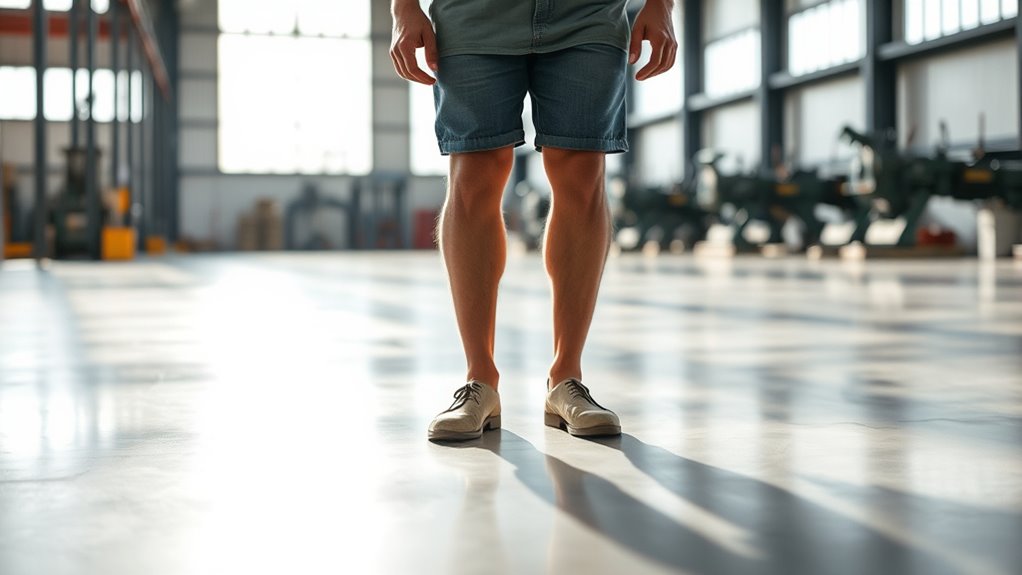
While standing for long periods might seem beneficial, it can place significant stress on your joints and muscles. Prolonged standing causes joint strain, especially in your knees, hips, and lower back, as they bear your body weight continuously. This constant load can lead to discomfort and long-term joint issues. Additionally, muscles in your legs and lower back become prone to fatigue because they work harder to stabilize your body without relief. Over time, muscle fatigue can result in aches, stiffness, and reduced mobility. Standing without movement forces your muscles to remain contracted, decreasing circulation and increasing the risk of strain. If you stand for hours daily, these effects can accumulate, making discomfort and potential injury more likely.
adjustable sit-stand desk converter
As an affiliate, we earn on qualifying purchases.
As an affiliate, we earn on qualifying purchases.
Why Balance and Movement Are Essential

Standing for long periods puts your muscles and joints under constant strain, which can lead to discomfort and injury. To prevent this, maintaining balance and incorporating movement are essential. Regularly shifting your weight helps reduce fatigue and improves circulation. Focus on posture correction by aligning your spine and avoiding slouching, which minimizes strain. Use ergonomic strategies, like adjusting your workspace, to support proper posture. Here are three key ideas:
- Take short breaks every 30 minutes to stretch or walk.
- Practice posture correction techniques to keep your back straight.
- Incorporate movement into your routine, such as calf raises or ankle rolls, to promote flexibility and reduce stiffness. Recognizing the importance of muscle engagement can encourage more mindful movement patterns throughout the day. Additionally, paying attention to body mechanics can help prevent repetitive strain injuries and maintain overall musculoskeletal health.
- Understanding the importance of diversification of retirement portfolio can help you develop a balanced approach to health and financial stability. Additionally, integrating essential oils for circulation into your routine may enhance blood flow and reduce muscle fatigue. Consistent feedback and visual cues can further enhance your awareness of proper alignment and movement patterns.
These practices help you stay healthy, comfortable, and energized throughout the day.
Tips for Reducing the Strain of Standing All Day

To reduce the strain of standing all day, start by wearing supportive shoes that cushion your feet. Take regular movement breaks to stretch and shift your weight, preventing stiffness. Additionally, use anti-fatigue mats to lessen pressure on your legs and back during long periods of standing. Consider alternating your standing with sitting using ergonomic solutions to further reduce joint stress and muscle fatigue ergonomic solutions. Incorporating proper floor safety practices can also help prevent slips and falls, enhancing overall comfort and safety during prolonged standing. Utilizing knowledge from all waterparks, selecting comfortable footwear and supportive accessories can significantly improve your standing experience. Implementing ergonomic principles in your workspace can promote better posture and reduce discomfort over time. Being aware of pool safety standards can also guide you in creating a safer environment that minimizes hazards associated with long periods of standing.
Wear Supportive Shoes
Are your shoes making your feet and back work harder than they should? Choosing supportive footwear is key to reducing strain during long hours of standing. Look for shoes with advanced shoe technology that offers orthopedic comfort, such as cushioned insoles and arch support. To maximize relief, consider these tips:
- Opt for shoes with a firm, non-slip sole for stability.
- Choose footwear with proper arch support to distribute weight evenly.
- Ensure shoes fit well without pinching or rubbing, preventing blisters and discomfort.
- Be aware of foot and back alignment principles to help maintain good posture and reduce fatigue.
Investing in supportive shoes helps absorb shock, align your posture, and lessen fatigue. When your footwear is designed with shoe technology in mind, your feet and back will thank you for the added support. Proper shoes make a significant difference in standing comfort.
Incorporate Movement Breaks
Did you know that taking regular movement breaks can considerably reduce the strain on your feet and back? Alternating between standing and moving helps prevent stiffness and fatigue. Use ergonomic seating during breaks to support good posture, and consider standing desk options that allow you to switch positions easily. Incorporate simple activities like stretching or walking in place every 30 minutes. This keeps your muscles active and reduces prolonged pressure on specific areas. To stay organized, try the table below to plan your movement routine:
| Time Interval | Activity |
|---|---|
| 30 minutes | Stretch and walk |
| 1 hour | Sit briefly, then stand |
| 90 minutes | Do light exercises |
| 2 hours | Change standing positions |
| 2.5 hours | Relax with ergonomic seating |
Regular movement guarantees you stay comfortable and avoid potential injuries, much like maintaining ergonomic principles through consistent effort.
Use Anti-Fatigue Mats
Since standing for long periods can put extra pressure on your legs and feet, using anti-fatigue mats can make a significant difference. These ergonomic flooring options help reduce discomfort by encouraging subtle movements and improving circulation. To maximize their benefits, consider these anti fatigue solutions:
- Choose high-quality anti-fatigue mats designed for durability and support.
- Place mats on even surfaces to prevent slipping and ensure stability.
- Regularly reposition your feet or shift weight to avoid staying static for too long.
Creating a More Comfortable and Healthy Work Routine
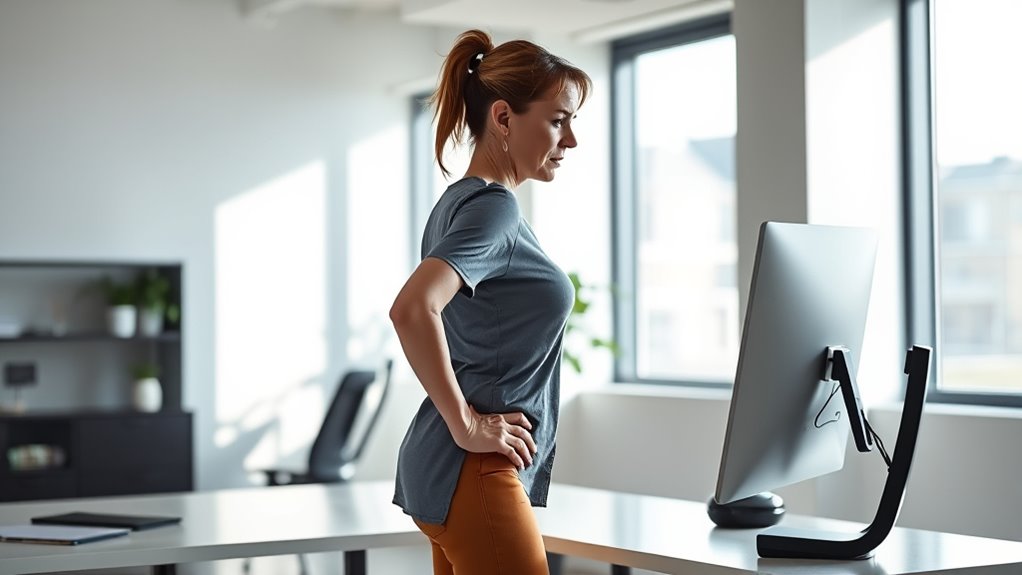
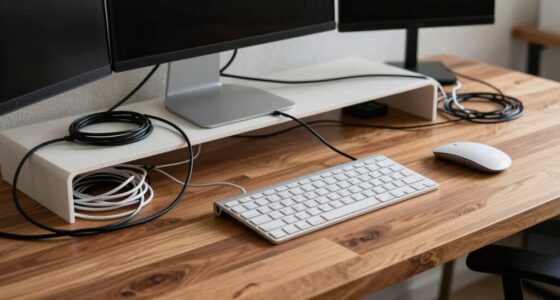
Creating a more comfortable and healthy work routine starts with making small but impactful adjustments to how you spend your day. Begin by optimizing your ergonomic desk setup to reduce strain and improve posture. Use adjustable workstations that allow you to switch between sitting and standing throughout the day, preventing fatigue and discomfort. Position your monitor at eye level and keep your keyboard and mouse within easy reach. Take regular breaks to stretch and move, avoiding prolonged static positions. Incorporate movement into your routine, like short walks or simple stretches. These small changes can considerably boost your comfort and overall well-being, helping you stay focused and energized while reducing the risks associated with poor posture and repetitive strain.
Frequently Asked Questions
Can Standing All Day Lead to Long-Term Health Issues?
Standing all day can lead to long-term health issues like joint pain and varicose veins. However, if you focus on ergonomic benefits and posture correction, you can reduce these risks. Use an anti-fatigue mat, wear supportive shoes, and take breaks to sit or stretch. Proper ergonomic setup helps maintain good posture, preventing strain and promoting overall health during long periods of standing.
What Are the Best Footwear Options for Prolonged Standing?
If you’re on your feet all day, your best footwear options include shoes with ergonomic insoles and cushioned soles. Skip the stilettos and opt for supportive sneakers or work shoes that cradle your arches and absorb shock. Your feet will thank you, and your back won’t feel like you’ve been running a marathon. Investing in quality footwear turns standing from a torture device into a manageable part of your day.
How Does Standing Affect Mental Focus and Productivity?
Standing can boost your mental focus and productivity by increasing blood flow and alertness. However, without proper sitting alternatives or ergonomic chairs, prolonged standing may cause fatigue and discomfort, hampering your efficiency. You should alternate between standing and sitting, using ergonomic chairs when needed, to maintain ideal focus. Proper posture and regular movement are key to staying productive and avoiding strain during long work periods.
Are There Specific Exercises to Relieve Standing-Related Discomfort?
To ease standing-related discomfort, try ergonomic stretches that focus on your legs and hips, and incorporate foot mobility exercises. Simple stretches like calf raises, hamstring stretches, and ankle circles can make a big difference. These moves help improve circulation and reduce strain, making your day more comfortable. Regularly shifting your weight and stretching keeps your muscles happy, helping you stay energized and pain-free even during long periods on your feet.
How Can Workplaces Encourage Healthier Standing Habits?
You can encourage healthier standing habits by promoting ergonomic desk setups and offering standing desk alternatives. Encourage employees to switch between sitting and standing, and provide adjustable desks to support this. Remind them to take regular breaks and stretch, reducing strain. Creating a culture that values movement and ergonomic awareness helps prevent discomfort and promotes overall wellness. Small changes can make a big difference in maintaining healthy standing habits.
Conclusion
Imagine standing all day like a bridge bearing heavy traffic—eventually, even the strongest can weaken if not properly supported. Research shows prolonged standing increases risks of circulatory and joint issues. To stay healthy, find balance by moving regularly and adjusting your position. Think of your body as a garden—without proper care and variety, it withers. Prioritize movement, and you’ll keep your health steady, just like a well-tended garden flourishing through every season.
Halloween Picks
halloween
As an affiliate, we earn on qualifying purchases.