Your router uses bit profiles to optimize data transmission, focusing on speed, stability, or security based on your needs. When profiles favor speed, you get faster downloads but may sacrifice connection stability, leading to tearouts or drops. Interference, obstacles, or outdated firmware can also cause disruptions. Properly managing these profiles and minimizing interference helps guarantee a smoother, more reliable connection. Keep exploring how these factors work together for the best network experience.
Key Takeaways
- Bit profiles in routers optimize data transmission by prioritizing speed, stability, or security, impacting overall network performance.
- Profiles that favor speed can boost download and upload rates but may reduce stability, increasing tearout risk.
- Physical interference, obstacles, and wireless device conflicts cause connection disruptions, leading to tearout.
- Firmware updates and strategic placement help improve stability and reduce connection interruptions.
- Using features like beamforming and QoS ensures signals are directed properly, minimizing tearout and enhancing reliability.
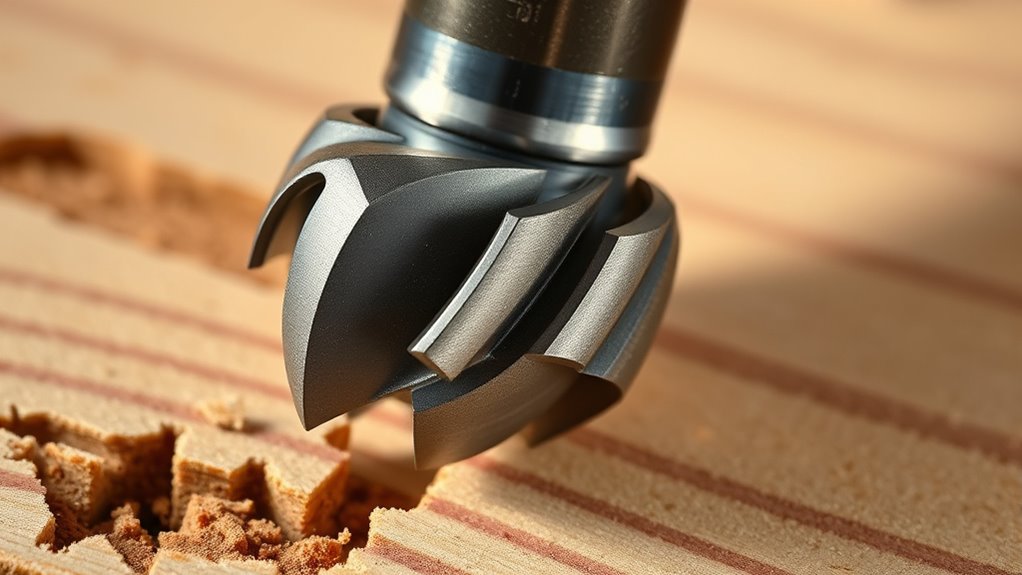
Have you ever wondered how your devices connect to the internet wirelessly? It’s all thanks to your router, which manages the data flow between your devices and the internet. When it comes to understanding routers, one key aspect is the concept of bit profile variations. These variations determine how data packets are transmitted over your network, influencing speed, stability, and overall performance. Different routers use different bit profiles to optimize data transfer, and knowing about these can help you troubleshoot issues or improve your connection. For example, some profiles prioritize speed, while others focus on reliability or security. Recognizing which bit profile your router uses can help you select the best settings for your needs, especially if you’re experiencing lag or dropped connections.
Another common issue many people face is tearout, which refers to the sudden loss of data or interruption in the connection. Tearout prevention involves understanding the causes behind these disruptions and implementing strategies to keep your connection steady. One major cause of tearout is interference from other wireless devices or physical obstacles that weaken the signal. To prevent this, you should position your router centrally and away from devices like microwaves, cordless phones, or Bluetooth gadgets, which can cause interference. Additionally, updating your router’s firmware regularly can help prevent tearout by fixing bugs and improving stability. Many routers also support advanced features like beamforming, which directs the Wi-Fi signal toward your device rather than broadcasting it in all directions, reducing the chance of tearout caused by weak signals.
Furthermore, understanding bit profile variations plays a role in tearout prevention. If your router supports multiple profiles, switching to a profile that prioritizes stability over raw speed can help keep your connection consistent. Some routers automatically adjust these profiles based on network conditions, but manual configuration can often yield better results. You might also consider enabling Quality of Service (QoS) settings, which prioritize essential traffic like video calls or gaming over less critical data, reducing the likelihood of disconnects during busy periods. Being aware of wireless standards and their impact on performance can also help you choose the right equipment and settings for your environment.
All these factors—bit profile variations, interference management, firmware updates, and QoS—are essential for maintaining a reliable wireless connection. When you understand how your router manages data and what causes tearout, you empower yourself to optimize your network and keep your devices connected smoothly. Whether you’re streaming, working remotely, or gaming, these insights help you prevent disruptions and enjoy a more consistent, faster internet experience. Remember, the key is to keep your router’s settings tuned for your environment and needs, ensuring a seamless online experience every time.
Frequently Asked Questions
How Do I Choose the Right Router Bit for a Specific Project?
You choose the right router bit by considering your project’s material and desired finish. Match the bit profile to your task—use a straight bit for cuts and a chamfer bit for edges. To prevent tearout, select a bit with a sharp cutting edge, and cut with the grain when possible. Also, use a climb cut carefully, and consider adding a backer board to support your work and minimize tearout.
What Safety Precautions Should I Take When Using a Router?
You absolutely must prioritize router safety to avoid disaster! Wear eye protection, hearing protection, and a dust mask to shield yourself from flying debris and dust. Always secure your workpiece tightly and keep your hands away from the bit. Use dust collection systems to minimize airborne particles, and double-check your router’s settings before powering on. Staying alert and cautious guarantees you master your project without risking injury.
How Can I Prevent Tearout During Routing?
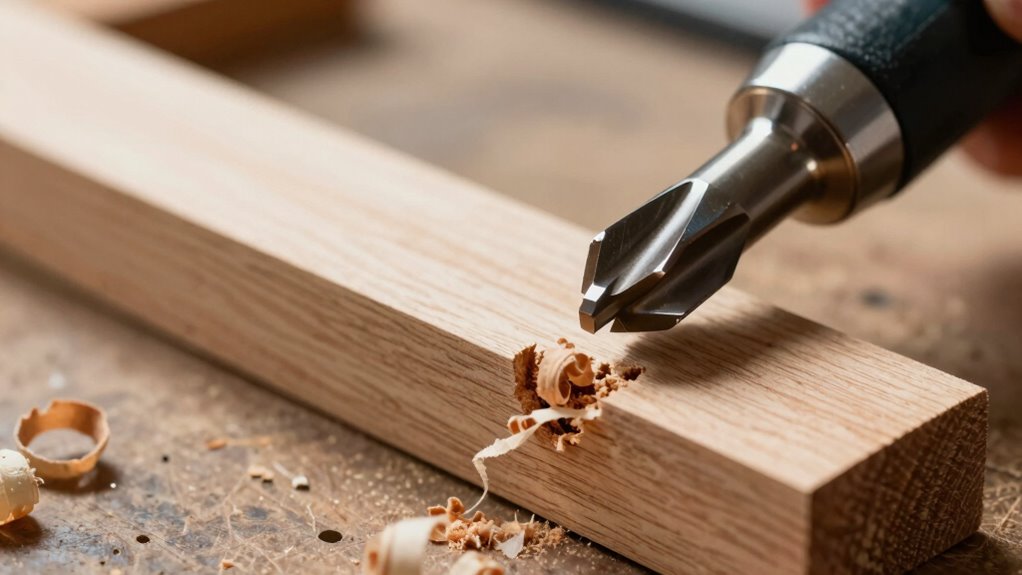
To prevent tearout during routing, you should choose the right bit profiles for your project, especially those with sharper edges and specific cut designs. Always support your workpiece properly and set your router at the correct speed. Use multiple shallow passes instead of a single deep cut, and consider routing with the wood grain. These tearout prevention techniques help deliver cleaner, professional results and protect your workpiece.
What Maintenance Is Required for Router Bits?
Did you know that regular maintenance can double the lifespan of your router bits? To keep them in top shape, you should routinely sharpen your bits to maintain cutting efficiency. Also, clean dust collection systems to prevent buildup that can dull edges. Properly maintained bits cut cleaner, last longer, and reduce tearout. Schedule regular sharpening sessions and ensure your dust collection is working well for maximum performance.
How Does Material Type Affect Bit Selection and Performance?
You need to take into account material type because it directly impacts bit compatibility and performance. For tougher materials like hardwoods, choose bits with higher durability to withstand the stress and prevent wear. Softwoods or plastics require less robust bits, which helps improve cut quality and prolongs tool life. Matching your bit to the material ensures smoother cuts, reduces tearout, and increases the longevity of your bits, saving you time and money.
Conclusion
Understanding bit profiles and why tearout occurs helps you make cleaner cuts and avoid frustrating mistakes. By selecting the right bit and adjusting your technique, you can greatly improve your woodworking results. Remember, isn’t it worth taking a moment to plan your cuts carefully? Mastering these basics guarantees your projects turn out professional-looking and satisfying. Keep practicing, and soon you’ll be confidently handling your router like a pro. Ready to turn your woodworking dreams into reality?