A cross-connection happens when your potable water line connects directly to a non-potable source, creating a pathway for contamination. Backflow occurs when pressure drops in your system or there’s a sudden increase elsewhere, pulling contaminated water back into clean lines. Changes in pressure cause this reverse flow, risking your water quality. Understanding how cross-connections and pressure differences lead to backflow helps you protect your water supply—keep exploring to learn more.
Key Takeaways
- Cross-connections occur when potable water lines connect directly to non-potable sources, creating contamination risks.
- Backflow happens when pressure drops in the supply line, causing contaminated water to flow backward.
- Sudden pressure changes, like firefighting or system malfunctions, can induce backflow through cross-connections.
- Improperly installed or missing backflow prevention devices allow reverse flow of contaminated substances.
- Maintaining consistent pressure and installing proper backflow preventers help prevent backflow incidents.

Conquer the Backflow Prevention Device Exam: Comprehensive Study Guide for Vacuum Breakers, Valve Assemblies, Pressure Differentials, Relief … and Troubleshooting (Skilled Trades Exams)
As an affiliate, we earn on qualifying purchases.
As an affiliate, we earn on qualifying purchases.
What Is a Cross-Connection in Your Water System
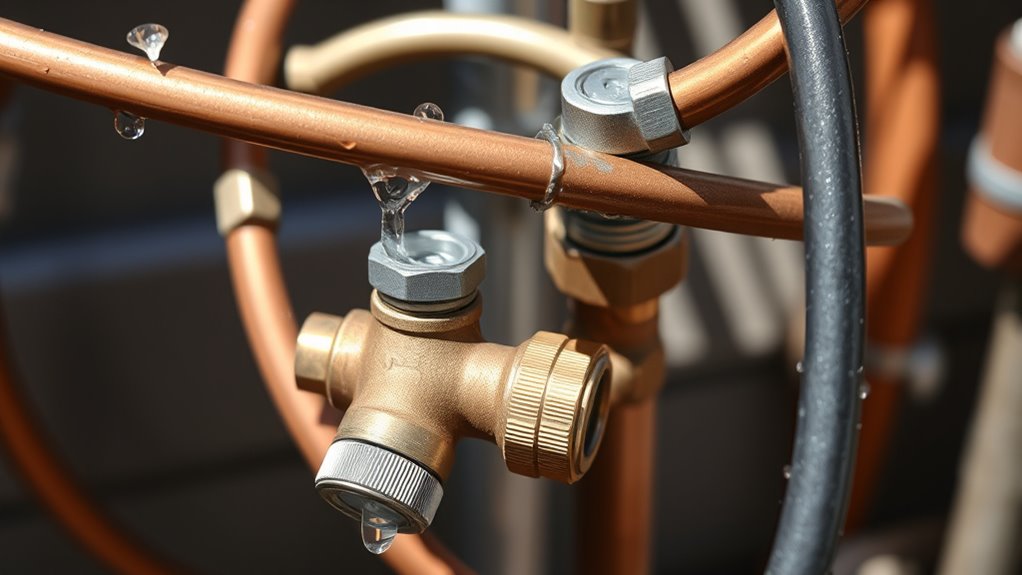
Have you ever wondered what a cross-connection is in your water system? A cross-connection occurs when a potable water supply line connects directly to a non-potable source, creating a potential hazard. These cross connection hazards can lead to contaminated water entering your clean water supply, risking water safety. If backflow happens, contaminated substances could flow into your drinking water, posing health risks. Recognizing a cross-connection is vital because it’s a common source of water contamination. It’s essential to understand how these connections work to prevent backflow and protect your water quality. By identifying and controlling cross connections, you help guarantee safe, clean water for your home or business. Staying aware of cross connection hazards is key to maintaining a safe water system. Additionally, understanding the role of backflow prevention devices is crucial in safeguarding your water supply from these hazards.

Litorange 2 Pack Brass 3/4" Inch GHT Hose Bibb Connector Backflow Preventer Vacuum Breaker
【What do you get 】: 2 × Vacuum Breakers, 2 × Washers, 1 × Tape (About 350" long)
As an affiliate, we earn on qualifying purchases.
As an affiliate, we earn on qualifying purchases.
Common Types of Cross-Connections and Where They’re Found

You’ll find cross-connections in many places, from household plumbing hazards like garden hoses to industrial systems that handle chemicals. These connections can pose risks if contaminated water backs into clean supplies. Understanding where they occur helps you prevent potential health hazards and system failures. Proper safety practices and regular inspections are essential to minimize these risks.
Household Plumbing Hazards
Where do household plumbing hazards commonly occur, and how do cross-connections form? They often happen where water lines connect to non-potable sources, risking backflow. These hazards include:
- Garden irrigation systems linked directly to drinking water lines, creating a reverse flow if pressure drops.
- Swimming pool connections that aren’t properly equipped with vacuum breakers, allowing contaminated water to enter the household supply.
- Hose bibs that connect to chemicals or fertilizers, which can siphon back into your water system.
- Water softeners or filtration systems improperly installed, enabling pollutants to flow back into your main supply.
- Regular maintenance and inspection of backflow prevention devices are crucial to prevent potential hazards and ensure household water safety.
Industrial Cross-Connections
Industrial cross-connections occur when process water or chemicals are linked directly to potable water supplies without proper safeguards, creating potential pathways for contamination. These cross-connections often appear in manufacturing plants, chemical processing facilities, and cooling systems. Common types include direct connections between process lines and drinking water supplies, or cross-connections in fire sprinkler systems linked to process water. Such setups threaten industrial safety and compromise system integrity if backflow occurs. Recognizing where these cross-connections exist helps prevent backflow contamination. Proper backflow prevention devices, regular inspections, and maintenance are essential to protect potable water sources. Ensuring system integrity not only maintains water quality but also reduces health risks, safeguarding both workers and the environment from hazardous exposure. Additionally, understanding the principles of backflow prevention can help in designing safer industrial plumbing systems.

【UPC® Certified】3/4" Brass Pressure Vacuum Breaker, Max 400PSI Sprinkler Backflow Preventer for Non-Potable Systems Like Irrigation & Industry
【Choose certified products】ONDAQUA holds the UPC Certification issued by IAPMO, and our products are also compliant with the…
As an affiliate, we earn on qualifying purchases.
As an affiliate, we earn on qualifying purchases.
How Does Backflow Happen? Understanding the Basics
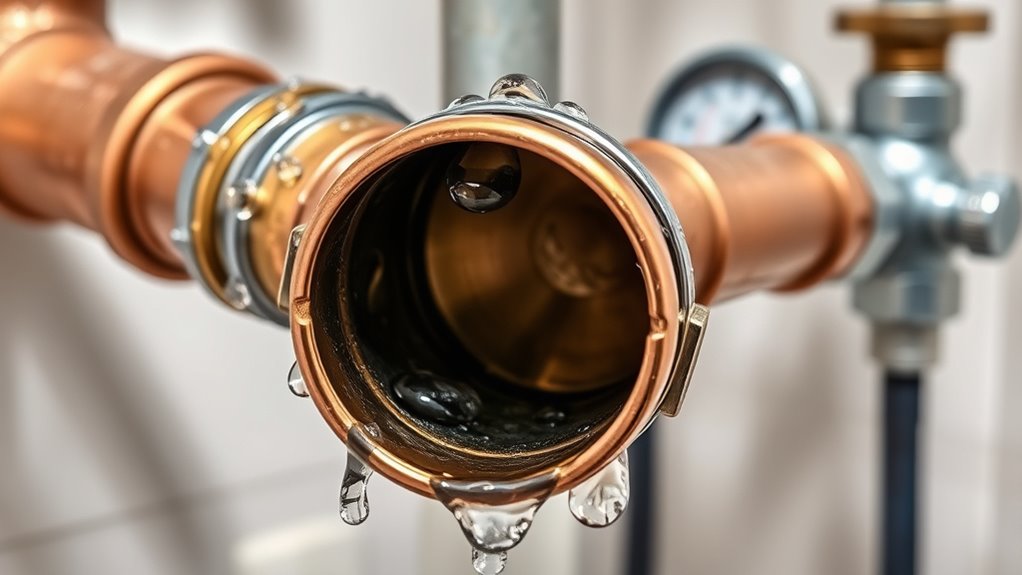
Backflow occurs when contaminated water flows backward into the clean supply lines, often due to changes in pressure within the plumbing system. When water pressure drops in the supply line or increases in the connected system, backflow can happen if no safeguards are in place. To understand how it occurs, consider these key points:
- Sudden drops in water pressure can create a vacuum, pulling contaminated water into the clean system.
- High-pressure events, like firefighting, can force water back into supply lines.
- Cross-connections between potable and non-potable systems increase backflow risks.
- Proper backflow prevention devices are essential to maintain water pressure and protect against backflow events.
- Understanding water pressure and implementing backflow prevention measures are your best defenses against contamination.
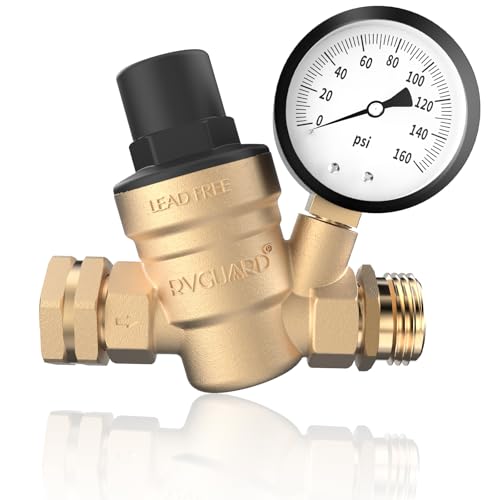
RVGUARD RV Water Pressure Regulator Valve, Lead-Free Brass Adjustable Water Pressure Reducer with Gauge and Inlet Screen Filter for RV Camper Travel Trailer
Function: Prevent water pipes from being damaged due to high pressure, suitable for campers, trailers, and RV plumbing…
As an affiliate, we earn on qualifying purchases.
As an affiliate, we earn on qualifying purchases.
How Pressure Differences Trigger Backflow Events
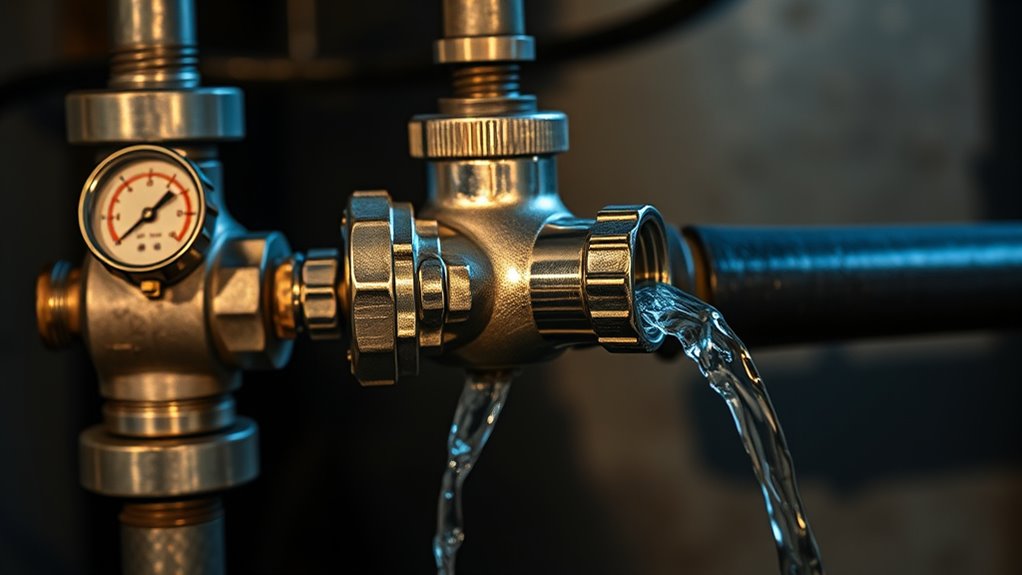
Pressure differences within your plumbing system directly influence the likelihood of backflow events. When pressure fluctuates, it can create a siphon effect, pulling contaminated water into clean supply lines. Imagine this scenario:
| High Pressure | Low Pressure |
|---|---|
| Pushes water out | Sucks water in |
| Maintains flow | Risks reversal |
If the downstream pressure drops suddenly, it can cause backflow through cross-connections. The siphon effect occurs when a pressure imbalance draws contaminated water backward into your system. These pressure fluctuations, often caused by firefighting or heavy usage, set the stage for backflow. Understanding how pressure differences serve as triggers helps you recognize potential hazards before contamination occurs, emphasizing the importance of pressure regulation in your plumbing system. Proper pressure management is essential to prevent backflow and protect water quality.
What Are the Hazards of Backflow Contamination?
Contamination from backflow can pose serious health risks if it enters your drinking water or household systems. It can introduce harmful substances directly into your water supply, leading to waterborne illnesses or chemical contamination. Here are the hazards you should be aware of:
- Waterborne illnesses: Bacteria, viruses, and parasites can cause diseases like cholera or dysentery.
- Chemical contamination: Toxic chemicals from industrial processes or pesticides can seep into your water.
- Toxin exposure: Contaminants may produce harmful toxins that affect your health over time.
- Damage to plumbing: Corrosive substances can corrode pipes, leading to costly repairs and leaks.
- Understanding backflow prevention: Proper use of backflow preventers is essential to stopping these hazards from entering your household systems.
Understanding these hazards emphasizes the importance of preventing backflow to protect your health.
How Backflow Preventers Protect Your Water Supply
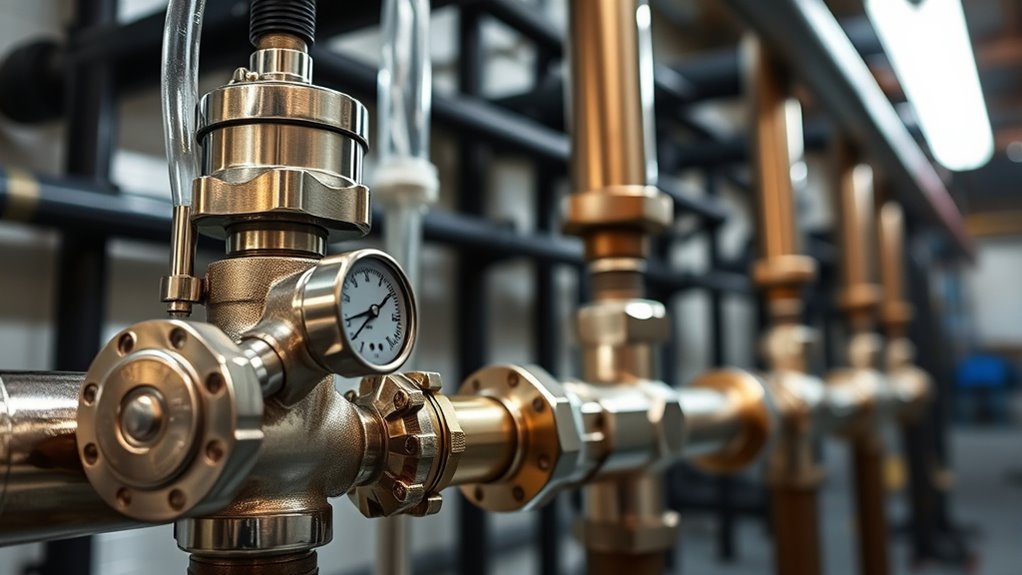
Backflow preventers stop contaminants from flowing back into your water supply, keeping it safe to use. They protect water quality by preventing harmful substances from mixing with drinking water. By maintaining system integrity, they help make certain your plumbing stays reliable and contaminant-free. Proper installation and regular maintenance are essential to ensure these devices function correctly and continue to safeguard your water system.
Prevents Contaminant Backflow
Because contaminated water can easily flow backward into your clean supply, backflow preventers are essential for protecting your water quality. They act as barriers, preventing harmful substances from entering your drinking water. Here are four ways they keep your water safe:
- Automatic shutoff – instantly stops backflow when pressure drops.
- Corrosion prevention – reduces damage to prevent failures.
- Regular valve maintenance – keeps preventers functioning properly.
- Check valves – ensure water flows only one way, blocking contaminants.
Proper installation and adherence to water quality standards are crucial for effective backflow prevention.
Ensures Water Quality
Ever wonder how your water stays clean and safe to drink? Backflow prevention plays a crucial role in maintaining water safety. When backflow occurs, contaminants can enter your drinking water, risking health issues. Backflow preventers stop this by blocking reverse flow, ensuring only clean water moves forward. Additionally, proper installation and maintenance of backflow preventers are essential for their effectiveness in preventing contamination.
Maintains System Integrity
To uphold the overall integrity of your water system, backflow preventers act as essential safeguards that prevent pressure changes and system failures from causing contamination. They ensure your system remains reliable and safe by stopping unwanted substances from entering your drinking water. Here’s how they maintain system integrity:
- They create a physical barrier, preventing backflow from contaminated sources.
- They automatically shut off when pressure irregularities occur, avoiding system damage.
- They help detect early issues, reducing costly repairs.
- They promote contamination prevention, safeguarding your water supply from pollutants.
Tips for Preventing Cross-Connections in Your System
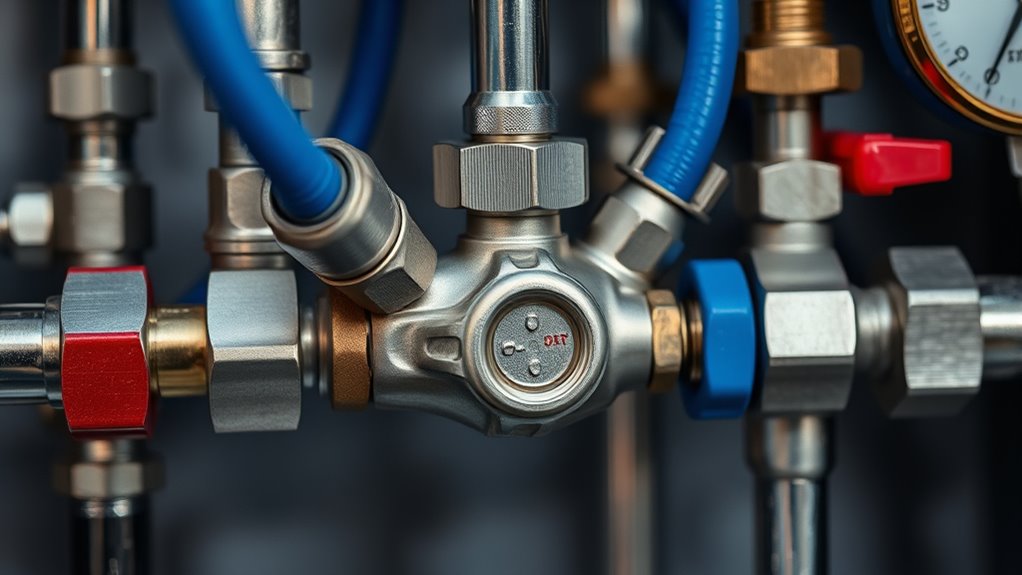
Preventing cross-connections starts with careful system design and regular inspection. You should avoid irrigation hazards that can lead to garden contamination. Use backflow preventers on all cross-connections, especially where potable water meets irrigation lines. Regularly check for leaks or faulty valves that could create a backflow risk. Consider this table for quick tips:
| Tip | Why it’s Important | Example |
|---|---|---|
| Install backflow preventers | Stops reverse flow during pressure changes | Prevents garden contamination |
| Avoid shared hoses | Eliminates direct cross-contamination risk | Prevents irrigation hazards |
| Regular system inspections | Detects issues early | Maintains system integrity |
| Proper valve placement | Controls flow direction | Reduces backflow potential |
Stay vigilant, and you’ll keep your system safe and contamination-free.
Regulations and Standards for Cross-Connection Control
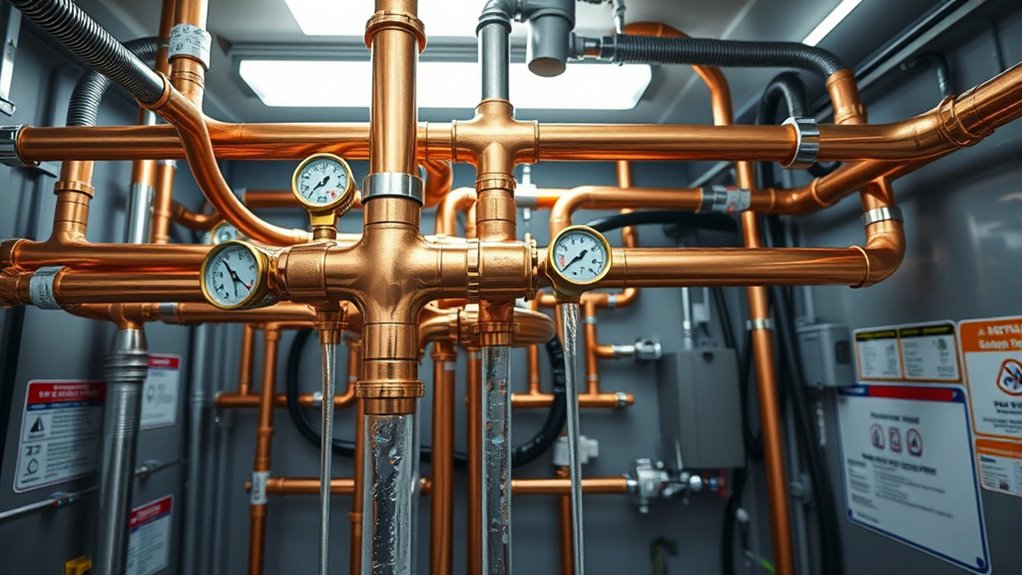
Regulations and standards for cross-connection control are essential to guarantee safe water systems and protect public health. These regulatory frameworks set clear requirements for preventing backflow and ensuring safe water supply management. To stay compliant, you need to understand key aspects like:
Ensuring safe water systems through strict cross-connection control regulations protects public health and prevents contamination.
- Mandatory compliance standards for installing backflow prevention devices.
- Periodic testing and maintenance requirements to ensure device functionality.
- Certification of approved devices and qualified personnel for installation.
- Record-keeping protocols to demonstrate ongoing adherence to regulations.
Following these standards helps you avoid violations, reduces risks of contamination, and maintains safe water quality. Staying updated on evolving regulations ensures your system remains compliant and protected against cross-connection hazards.
Identifying and Managing Cross-Connection Risks
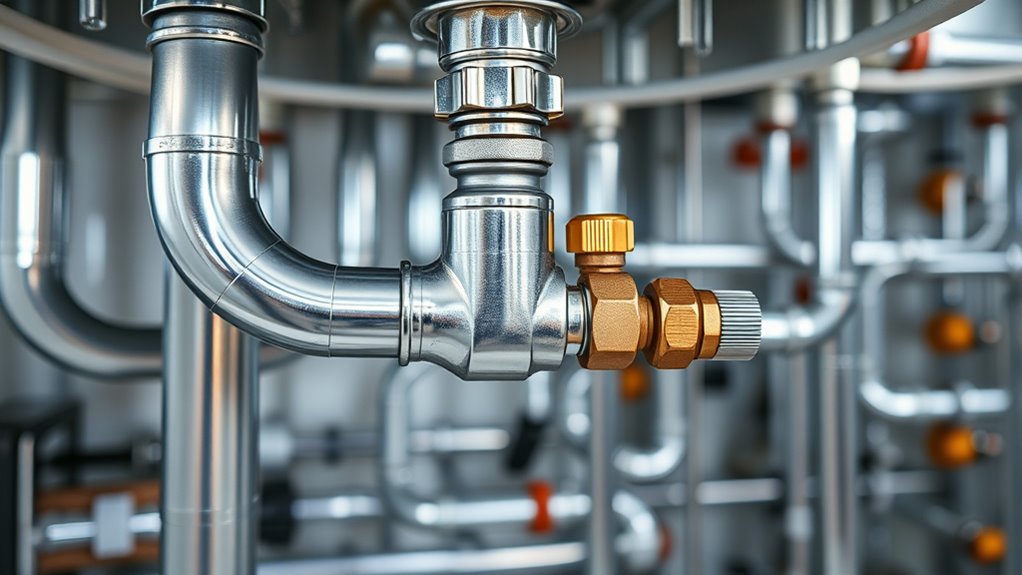
Understanding the potential risks of cross-connections is key to maintaining a safe water system. By developing strong cross connection awareness, you can spot hazards before they cause issues. Begin with a thorough risk assessment of your property’s plumbing setup. Identify locations where water supply lines connect to non-potable sources, such as irrigation systems or boilers. Regular inspections help detect potential cross-connection points and prevent backflow incidents. Managing these risks involves installing appropriate backflow prevention devices and ensuring they’re properly maintained. Educate yourself on common cross-connection hazards and stay vigilant for signs of deterioration or improper connections. Taking proactive steps to identify and manage cross-connection risks protects your water supply from contamination, ensuring safe, clean water for everyone.
Frequently Asked Questions
Can Backflow Occur in Residential Plumbing Systems?
Yes, backflow can occur in residential plumbing systems. You might encounter backflow sources like irrigation systems, water softeners, or even hoses left submerged in contaminated water. To prevent this, you need proper plumbing safeguards such as backflow preventers or air gaps. These devices work to keep contaminated water from reversing into your clean water supply, ensuring your home’s water remains safe and potable.
What Are Signs of a Cross-Connection in My Water System?
Did you know that about 10% of water systems experience some form of backflow contamination? You might notice contamination indicators like strange taste, odor, or discoloration, along with unusual water pressure changes. These signs suggest a cross-connection might be present, risking backflow. If you observe these, it’s vital to have a professional inspect your system promptly to prevent potential health hazards.
How Often Should Backflow Preventers Be Inspected?
You should inspect your backflow preventers at least once a year to guarantee proper function. Follow a regular maintenance frequency schedule and use a detailed inspection checklist to identify any signs of wear, leaks, or damage. Regular inspections help catch issues early, preventing potential contamination. If your system has higher risk factors, consider more frequent inspections. Staying proactive with maintenance keeps your water safe and compliant with local regulations.
Are There Specific Industries More Vulnerable to Backflow?
Think of industries like a sponge soaking up potential hazards. You’re most vulnerable if you work in healthcare, manufacturing, or food processing, where industrial contamination and agricultural runoff risk introduce pollutants into water supplies. These sectors often handle chemicals or organic matter that could backflow and contaminate potable water. Regular inspections and proper backflow prevention devices are essential to keep your operations safe and your water clean.
What Are the Legal Consequences of Cross-Connection Violations?
You face serious legal liability if you violate cross-connection regulations. Penalty enforcement can include hefty fines, penalties, or even legal action against you or your business. These violations threaten public health, so authorities hold you accountable to prevent backflow incidents. Adhering to laws guarantees you avoid costly consequences and helps protect water safety. Stay compliant to minimize legal risks and demonstrate your commitment to maintaining a safe water supply.
Conclusion
Understanding how backflow happens helps you protect your water supply. For example, if a garden hose is left submerged in a pool, a pressure drop could cause contaminated water to flow back into your system. By installing proper backflow preventers and regularly checking for cross-connections, you can prevent such hazards. Stay vigilant and follow regulations to keep your water safe—your health depends on it.