Understanding water pressure helps you keep your plumbing running smoothly. Normal household pressure ranges between 40 and 60 psi; too low, and fixtures may struggle, while over 80 psi can damage pipes. Signs of issues include weak water flow or leaks. To stay within safe limits, regularly check your pressure with a gauge and adjust it if needed. Keep exploring to learn how to measure, maintain, and troubleshoot your home’s water pressure effectively.

Prime made for students and young adults
- Fast, free delivery for dorm and study essentials
- Prime Video and Amazon Music included
- Member-only deals
Key Takeaways
- Normal residential water pressure ranges from 40 to 60 psi, ensuring optimal fixture performance.
- Pressures above 80 psi can damage pipes and fixtures, while below 40 psi causes weak water flow.
- Signs of high pressure include leaks, water hammer, and frequent pipe damage; low pressure manifests as weak streams.
- Use a pressure gauge on an outdoor spigot to accurately measure and monitor your home’s water pressure.
- Regular maintenance and professional help are recommended if pressure issues persist or fluctuate unexpectedly.
As an affiliate, we earn on qualifying purchases.
Understanding Water Pressure and How It Affects Your Home
Understanding water pressure is essential because it directly impacts how well your plumbing functions. If the pressure is too low, you’ll notice weak water flow from faucets and showers, making daily tasks frustrating. Conversely, high water pressure can strain pipes, leading to leaks and damage over time. Managing water pressure also plays a role in water conservation; ideal pressure reduces water waste and saves money. If your pressure is inconsistent, consider plumbing upgrades like pressure regulators or newer fixtures designed for better flow control. These adjustments ensure your home uses water efficiently, preventing unnecessary waste and costly repairs. Properly maintaining water pressure helps prolong the lifespan of your plumbing system and reduces the risk of costly damage. Additionally, installing pressure regulators can help maintain consistent pressure levels and protect your plumbing. Understanding the impact of water pressure on your plumbing system allows you to make informed decisions about repairs and upgrades. By understanding and maintaining proper water pressure, you improve system performance and contribute to sustainable water use, benefiting both your household and the environment.
As an affiliate, we earn on qualifying purchases.
What Is Considered Normal Water Pressure?
Knowing what constitutes normal water pressure helps you identify when your system is working properly or if adjustments are needed. Typically, normal water pressure ranges between 40 and 60 psi (pounds per square inch). When water pressure falls within this range, your plumbing fixtures should operate smoothly without issues like splashing or slow flow. If the pressure exceeds 80 psi, it can damage your plumbing fixtures and cause leaks, so it’s crucial to keep it in check. Conversely, pressures below 40 psi may lead to weak water flow, affecting daily tasks. Using a pressure gauge, you can easily test your home’s water pressure and ensure it stays within the ideal range, helping your plumbing system function efficiently and last longer. Regularly monitoring water pressure ranges can prevent costly repairs and extend the lifespan of your plumbing components. Maintaining optimal pressure levels also reduces the risk of damage to plumbing fixtures, which can be costly to repair or replace. Additionally, understanding pressure fluctuation causes can help you troubleshoot issues more effectively and maintain consistent water flow throughout your home. Being aware of pressure regulation devices can further assist in maintaining safe and steady water pressure levels.
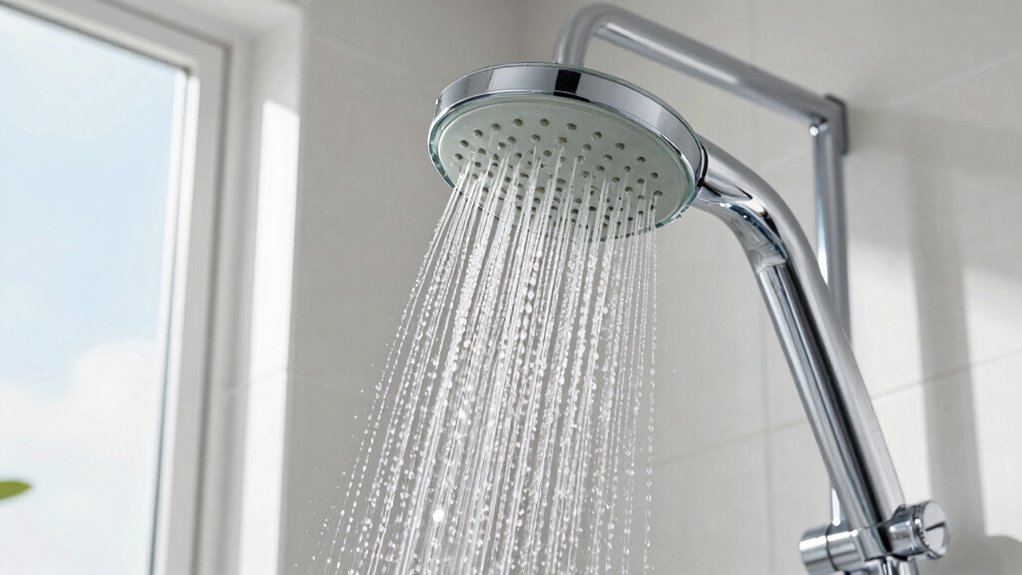
shower head with adjustable flow
As an affiliate, we earn on qualifying purchases.
As an affiliate, we earn on qualifying purchases.
Signs of Low Water Pressure and Potential Causes
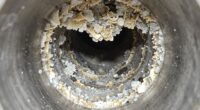
Low water pressure often becomes noticeable when your faucets or showerheads deliver weak streams, making daily tasks more frustrating. One common cause is pipe corrosion, which narrows or blocks water flow over time. Valve blockages can also restrict pressure, especially if sediment or debris clog the shut-off valves or aerators. If you notice inconsistent pressure between fixtures, it might indicate a localized problem like a blocked valve. Additionally, aged or damaged pipes may develop corrosion that hampers water flow. In some cases, municipal supply issues or a partially closed main valve can contribute, but pipe corrosion and valve blockages are frequent culprits. Regular maintenance and inspection can help identify these issues early and prevent more significant plumbing problems, ensuring your water pressure stays within a normal range. Being aware of corrosion and debris buildup can help you address these issues proactively before they lead to more extensive repairs. Understanding water flow dynamics can also assist in diagnosing pressure problems more accurately, especially when considering pressure regulators or valves that might be affecting overall flow. Recognizing the impact of pipe material may also be important, as different pipe types are more susceptible to corrosion and blockage.
As an affiliate, we earn on qualifying purchases.
Indicators of Excessively High Water Pressure
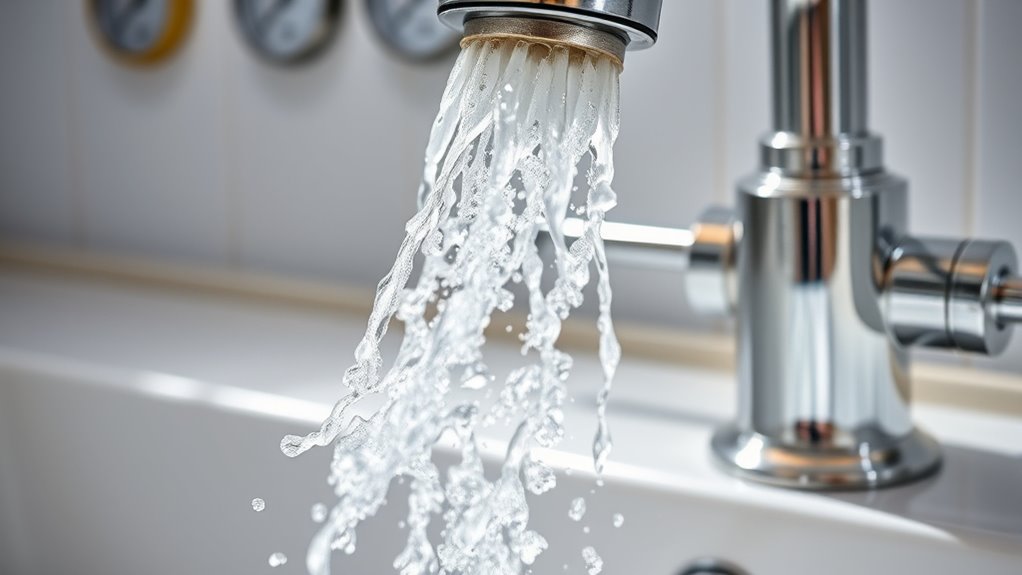
Excessively high water pressure can cause noticeable issues in your plumbing system, often more subtle than low pressure but just as damaging. You might notice frequent leaks or burst pipes, especially where the pipe diameter is narrow. Pressure relief valves may activate often, releasing water to prevent damage. You could hear banging noises, known as water hammer, when valves close suddenly. Faucets and fixtures may wear out quickly or develop leaks. Additionally, you might see increased water bills or find your water flow inconsistent. These signs point to high pressure that needs addressing before serious damage occurs. Regularly inspecting your pressure relief valves and monitoring your water pressure can help prevent these problems and protect your plumbing system from the effects of excessive pressure. Incorporating smart home monitoring devices can provide real-time alerts and help you maintain optimal water pressure levels. Understanding pressure regulation principles can further assist in preventing damage and ensuring efficient water use, especially with connected devices that track water flow and pressure. Proper pressure management techniques are essential for maintaining a safe and efficient plumbing system. Recognizing vulnerabilities in the system can also aid in early detection and mitigation of potential issues before they escalate.
How to Measure Your Home’s Water Pressure

To measure your home’s water pressure, you’ll need a pressure gauge that attaches to a hose faucet or outdoor spigot. Follow the step-by-step process to get an accurate reading, and then interpret the results to see if your pressure falls within the normal range. Knowing how to do this helps you identify issues before they lead to plumbing problems. Monitoring your water pressure regularly can also help prevent costly repairs and ensure optimal performance of your plumbing system. Additionally, understanding home plumbing system dynamics can assist in troubleshooting potential issues effectively. Incorporating outdoor plumbing fixtures into your backyard setup can influence your water pressure readings and overall system performance. Being aware of water pressure standards ensures you maintain a safe and efficient plumbing environment.
Tools Needed for Testing
Measuring your home’s water pressure requires a few simple tools that are easy to use. First, you’ll need a reliable pressure gauge, often called a pressure tester, which attaches directly to your outdoor faucet or hose bib. You might also use a flow meter to assess flow rates if needed. Additionally, a pressure regulator can help maintain or test specific pressure levels, especially if your readings are off. To prepare for testing, gather a wrench to attach the gauge securely. Consider having an extra hose or fittings handy for better access. Finally, keep a notebook nearby to record your readings. With these tools—pressure regulators, flow meters, gauges, fittings, and a wrench—you can accurately measure your water pressure and diagnose potential issues. Properly testing your water pressure can help identify pressure fluctuations that might indicate underlying problems, and understanding water pressure is essential for ensuring your plumbing system functions efficiently and to prevent damage.
Step-by-Step Measurement Process
Start by attaching the pressure gauge to your outdoor faucet or hose bib. Turn on the water fully and let it run for a few seconds to stabilize the reading. Watch the gauge as it settles; this gives you your home’s static water pressure. Keep in mind that pressure regulators, which are often installed on the main line, can affect water flow and pressure levels. If you notice unusually low pressure, check if a pressure regulator is in use and functioning correctly. For accurate results, avoid using multiple fixtures simultaneously during measurement. Once you note the reading, turn off the water and remove the gauge. This step-by-step process helps you understand your home’s water pressure, which is essential for identifying potential issues.
Interpreting Your Results
Once you’ve taken a reading with your pressure gauge, interpreting the results accurately is key to understanding your home’s water pressure. Keep in mind that water pressure myths can lead to confusion, so trust the gauge’s accuracy. A typical reading between 40-60 PSI indicates normal pressure, while higher or lower readings may signal issues. To envision this, imagine:
- A gentle stream flowing steadily from your tap
- A sprinkler spraying evenly across your lawn
- A shower that feels just right
- Pipes humming softly under the sink
- A toilet flushing smoothly without hesitation
If your readings fall outside the normal range, it’s wise to investigate further. Remember, pressure gauge accuracy is vital for proper interpretation and avoiding misconceptions about your water system.
Tips for Adjusting and Maintaining Optimal Pressure
To guarantee your water pressure stays at an ideal level, regular adjustments and maintenance are essential. Start by checking your pressure regulators and flow restrictors, which control flow and prevent pressure spikes. If pressure is too high, adjust the regulator or install a flow restrictor to reduce flow. Conversely, if pressure is too low, ensure these devices aren’t clogged or faulty. Regularly inspecting and cleaning these components helps maintain consistent pressure.
| Device | Function |
|---|---|
| Pressure Regulator | Balances overall water pressure |
| Flow Restrictor | Controls flow rate at fixtures |
| Dirty or clogged devices | Reduce pressure efficiency |
| Proper adjustment | Keeps pressure within ideal range |
When to Seek Professional Help for Water Pressure Problems

If your water pressure stays low despite adjustments, it’s time to call in a professional. Sudden fluctuations can also indicate underlying issues that aren’t easy to fix on your own. Recognizing these signs early helps prevent further damage and costly repairs.
Persistent Low Pressure
Persistent low water pressure that doesn’t improve after simple troubleshooting often indicates a more serious problem. You might notice weak flow from multiple fixtures or a sudden drop in pressure. Common causes include issues with the pressure regulator, which controls water flow, or a pipe blockage narrowing your pipes. You may also have mineral buildup or corrosion restricting flow. When these problems persist, it’s time to call a professional. They can inspect for:
- Faulty pressure regulator adjustments
- Hidden pipe blockages or buildup
- Corrosion inside pipes
- Leaks causing pressure loss
- Faulty valves or fittings
Addressing these issues promptly can prevent further damage and restore normal water pressure. Don’t overlook persistent low pressure—professional help ensures safe, effective solutions.
Sudden Pressure Fluctuations
Sudden fluctuations in water pressure can be alarming and disruptive, often signaling an underlying issue that needs immediate attention. If you experience pressure surges or inconsistent flow, it could be due to valve issues or sudden changes in your plumbing system. These fluctuations might cause your fixtures to spurt or drop unexpectedly, making daily tasks frustrating. Recognizing when to seek professional help is vital to prevent damage or further problems.
| Symptom | Possible Cause |
|---|---|
| Rapid pressure changes | Valve issues or debris |
| Water spitting from fixtures | Pressure surges |
| Inconsistent flow | Plumbing blockages |
| Sudden drops in pressure | Valve failure or leaks |
| Persistent fluctuations | System-wide pressure problem |
Frequently Asked Questions
Can Water Pressure Affect My Water Bill?
Yes, water pressure can affect your water bill. High pressure causes your fixtures to use more water, increasing costs, while low pressure may lead to inefficient water use. By maintaining ideal water pressure, you promote water conservation and prevent leaks that can inflate your bill. Regularly checking and adjusting your water pressure helps you save money and ensures your plumbing system functions efficiently, reducing the need for leak prevention repairs.
How Does Water Pressure Impact Plumbing Lifespan?
High water pressure can shorten your plumbing durability and reduce pipe longevity by causing stress on joints and fittings. It makes pipes more prone to leaks, cracks, and bursts, which lead to costly repairs. To protect your plumbing system, you should maintain ideal pressure levels and consider installing a pressure regulator. Doing so helps ensure your pipes stay functional longer and prevents premature damage caused by excessive water pressure.
Are There Health Risks Associated With High Water Pressure?
You might not realize it, but high water pressure can pose serious health risks. It can cause symptoms like headaches, fatigue, and joint pain, signaling your body’s stress response. The suspense builds as these symptoms worsen, hinting at hidden dangers lurking in your plumbing system. Left unchecked, high water pressure could lead to more severe issues, making it vital to monitor and manage your water pressure for your health’s sake.
What Tools Are Needed to Fix Pressure Issues?
To fix pressure issues, you’ll need a pressure gauge to measure your water pressure accurately and a pressure regulator to control it. Attach the pressure gauge to your outdoor faucet or hose bib to check the current pressure. If it’s too high, install a pressure regulator to bring it to a safe, normal level. These tools help you diagnose and adjust water pressure effectively, preventing damage and ensuring consistent flow.
Can Water Pressure Problems Cause Water Discoloration?
Water pressure problems can turn your water into a murky stream, like a foggy mirror. When pressure fluctuates, it can cause pipe corrosion and dislodge rust or sediments, leading to water discoloration. High pressure worsens this, speeding up pipe wear. So, if your water suddenly looks cloudy or rusty, don’t ignore it—your plumbing may be crying out for help before more damage occurs.
Conclusion
Maintaining the right water pressure keeps your home’s flow smooth and your plumbing happy. While small fluctuations are natural, persistent issues might hint at underlying concerns best addressed sooner rather than later. By staying attentive and gentle with adjustments, you can foster a harmonious water system. Remember, sometimes a little professional insight can help you navigate subtle changes, ensuring your home’s comfort flows effortlessly, like a quiet current beneath the surface of everyday life.
Fall Picks
fall essentials
As an affiliate, we earn on qualifying purchases.