If your indoor CO2 levels spike suddenly or regularly stay above 1,000 ppm, it’s a sign your ventilation system isn’t working properly. You’ll notice stuffy air, stale smell, or symptoms like headaches, drowsiness, or difficulty concentrating. Clogged filters, blocked vents, or mechanical issues often cause this decline. Addressing these problems promptly keeps air fresh and healthy. Keep going to gain insights on how to detect and fix ventilation failures effectively.
Key Takeaways
- A sudden increase in indoor CO2 levels indicates ventilation system inefficiency or failure.
- CO2 levels exceeding 1,000 ppm signal poor air quality and potential ventilation issues.
- Symptoms like headaches, drowsiness, or stale air suggest rising CO2 due to inadequate ventilation.
- Clogged filters and blocked vents are common causes of ventilation system decline.
- Regular monitoring and maintenance help detect CO2 spikes early, preventing indoor air quality deterioration.
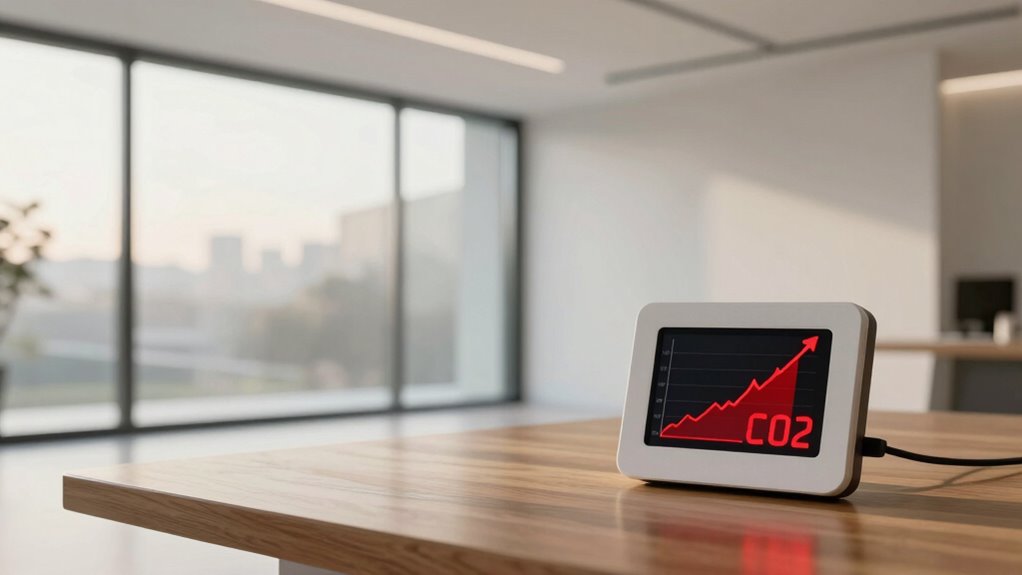
When indoor CO2 levels begin to rise unexpectedly, it signals that your ventilation system is no longer effectively circulating fresh air. This increase in CO2 isn’t just a minor inconvenience; it’s a clear indicator that your indoor air quality is deteriorating. As CO2 accumulates, it becomes harder to breathe comfortably, and you may notice drowsiness, headaches, or decreased concentration. Recognizing this rise is crucial because it directly points to a decline in your ventilation efficiency. If your system isn’t removing stale air and replacing it with fresh outdoor air, pollutants and humidity can also build up, compounding the problem.
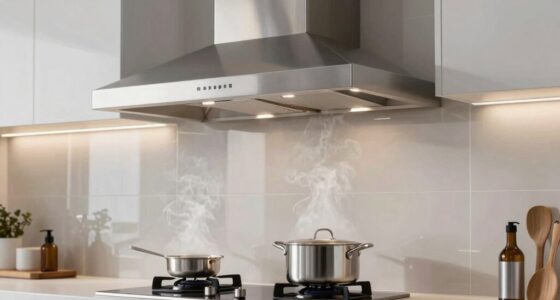
Your ventilation system plays a vital role in maintaining healthy indoor air quality. When functioning properly, it continuously pulls in fresh air and expels stale, CO2-laden air. However, when it starts to fail—due to clogged filters, blocked vents, or mechanical issues—the fresh air flow diminishes. As a result, indoor CO2 levels climb, serving as a telltale sign that your system needs attention. You might notice that the room feels stuffy or that the air smells stale, which are common symptoms of poor ventilation efficiency. Regularly inspecting and maintaining your ventilation system can prevent these issues from escalating.
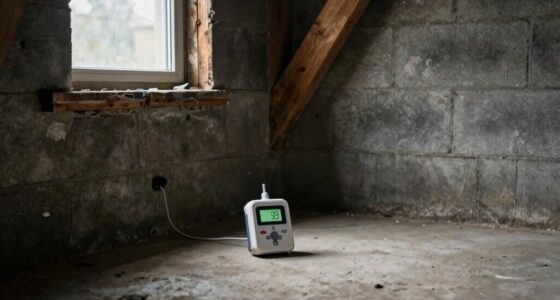
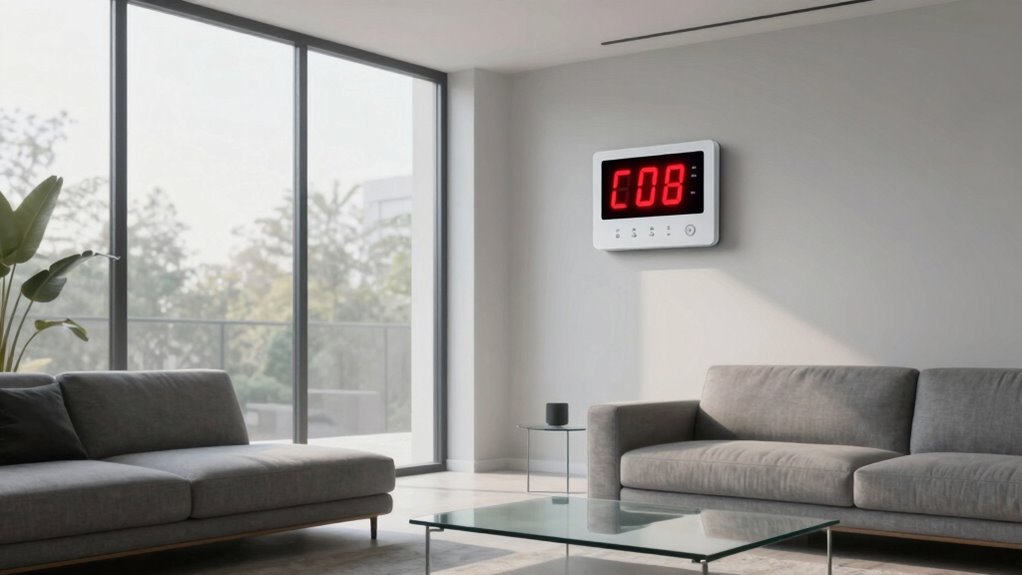
Monitoring the CO2 levels can help you catch these issues early. Many modern air quality monitors display real-time CO2 readings, so you can quickly gauge whether your indoor environment is safe. If the levels approach or exceed 1,000 parts per million (ppm), it’s time to take action. Elevated CO2 not only signals poor air quality but also indicates that your ventilation isn’t doing its job effectively. This can happen even if the system appears to be running, so don’t ignore the warning signs. Regular maintenance, such as changing filters and inspecting vents, can restore proper airflow, but knowing when to act comes from observing the CO2 levels. Recognizing air quality patterns can help you anticipate potential problems before they become severe.
Understanding the ventilation system’s performance and its connection to indoor CO2 levels helps you maintain a healthier environment. When you notice a sudden increase in CO2, it’s a prompt to evaluate your ventilation system’s performance. Addressing issues promptly ensures that fresh air circulates properly, improving air quality and preventing the buildup of pollutants. Proper ventilation is essential for controlling humidity and reducing indoor pollutants, which can have long-term health benefits. Additionally, maintaining good airflow can help prevent the growth of mold and other indoor allergens. By staying attentive to these indicators, you keep your indoor space safe, comfortable, and conducive to good health. Recognizing the signs early helps you avoid discomfort and potential health risks associated with poor air circulation, making your environment a better place to live or work.

16 in 1 Air Quality Monitor Indoor 7" Wildfire CO2 Monitor, 9 AQI+7 Alerts
- 16-in-1 Air Quality Monitoring: Detects 9 parameters including CO2 and PMs
- 7 AQI Alert Buzzers: Provides multiple alerts for air quality changes
- Large 7-inch LED Display: Clear, instant air quality readings with adjustable brightness
As an affiliate, we earn on qualifying purchases.
As an affiliate, we earn on qualifying purchases.
Frequently Asked Questions
How Quickly Can Indoor CO2 Levels Change During Occupancy?
Indoor CO2 levels can rise quickly, often within minutes of occupancy, especially if air exchange is limited. As people breathe, CO2 accumulates rapidly, making it essential to regularly calibrate sensors for accurate readings. Proper sensor calibration guarantees you can detect these swift changes, allowing you to act promptly and improve ventilation before CO2 levels become uncomfortable or unsafe.
What Are the Health Effects of Elevated Indoor CO2?
Sure, breathing in elevated indoor CO2 may not turn you into a superhero, but it definitely risks your health. Poor air quality from high CO2 levels can cause headaches, drowsiness, and reduced concentration. Over time, it might even contribute to more serious health risks like respiratory issues. So, next time you notice stale air, remember, your lungs prefer fresh air over a toxic indoor cocktail. Ventilation really matters!
Can CO2 Sensors Detect Specific Sources of Pollution?
CO2 sensors mainly detect overall air quality, but they can’t pinpoint specific pollution sources due to sensor limitations. They can show you when indoor CO2 levels rise, indicating poor ventilation, but identifying particular sources—like cooking fumes or cleaning chemicals—requires additional source identification methods. So, while sensors alert you to general air issues, they don’t tell you exactly what’s causing pollution without supplementary tools or analysis.
How Often Should Ventilation Systems Be Maintained?
Like tuning a vintage radio, you should maintain your ventilation systems every six months to guarantee ideal air exchange and filtration performance. Regular checks keep filters clean and moving parts functioning smoothly, preventing indoor air quality from plummeting. Neglecting maintenance can cause CO2 buildup and reduced ventilation efficiency. Staying proactive with scheduled upkeep helps you breathe easier, knowing your indoor environment remains fresh and safe.
Are There Affordable Ways to Improve Indoor Air Quality?
Yes, you can improve indoor air quality affordably by using air purifiers, which remove pollutants and allergens. Additionally, embracing natural ventilation by opening windows and doors regularly helps freshen the air and reduce CO2 build-up. Combining these methods is cost-effective and simple, ensuring better air quality without significant expense. Regularly maintaining your ventilation systems and choosing energy-efficient options can also help save money long-term.
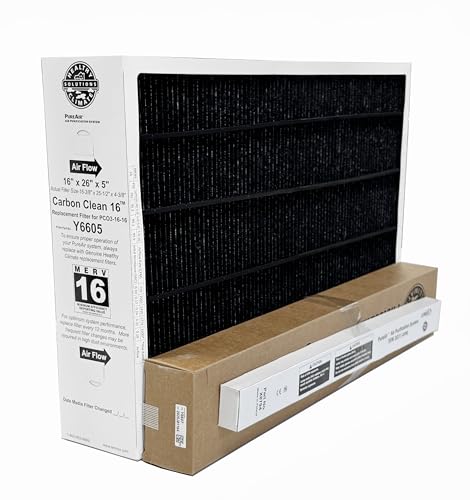
Lennox Y6612 Healthy Climate 612988-02, PureAir Air Purifier Maintenance Kit for PCO3-16-16, 16 x 26 x 5 Inch MERV 16 Filter, UVA Lamp & Cartridge
- Includes Filter, Catalyst, and UV Lamp: Complete maintenance kit for air purifier
- Recommended Replacement Interval: Every 12 months
- Filter Dimensions: 16-3/8 x 25-1/2 x 4-3/8 inches
As an affiliate, we earn on qualifying purchases.
As an affiliate, we earn on qualifying purchases.
Conclusion
Think of your home as a living garden. When the CO2 levels rise, it’s like weeds taking over, choking out fresh air and energy. Ignoring these signs means your ventilation is failing, letting stagnation and discomfort take root. But if you catch the rise early, you can clear the weeds and breathe freely again. Keep an eye on those CO2 levels—they’re your garden’s alarm clock, warning you to restore the balance before everything withers.
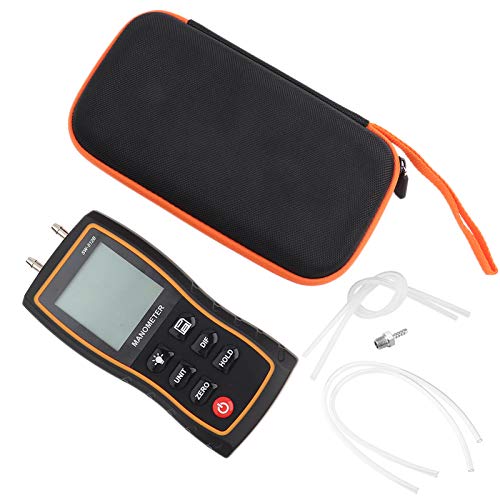
Digital Differential Pressure Gauge SW-512B Professional High Precision Differential Pressure Manometer
- Multi-Unit Measurement: 11 selectable units including psi, bar, and more
- Versatile Pressure Testing: Measures differential, positive, and negative pressure
- Wide Application Range: Ideal for HVAC, medical, laboratory, and gas systems
As an affiliate, we earn on qualifying purchases.
As an affiliate, we earn on qualifying purchases.

GoveeLife Smart Air Quality Monitor CO2 Detector H5140, Display & Alarm
- Fast & Accurate CO2 Sensor: ±(40ppm + 5%) accuracy with 5s refresh
- Multi-Function Display: Shows CO₂, temperature, humidity, and clock
- Customizable Alerts: Buzzer, app notifications, and email alerts
As an affiliate, we earn on qualifying purchases.
As an affiliate, we earn on qualifying purchases.