Your exterior walls feel cold even when your room is warm because poor insulation allows cold outside air to seep through, pulling heat away from your home. Moisture inside the walls can also dampen insulation and increase coldness. Without proper barriers, air sealing, or ventilation, the cold gets transferred, making walls feel chilly. To understand how insulation, moisture control, and other measures can help keep your walls warm, keep exploring.
Key Takeaways
- Poor insulation allows external cold air to transfer through walls, making them feel chilly.
- Moisture trapped within wall cavities reduces insulation effectiveness and increases wall coldness.
- Inadequate vapor barriers lead to damp walls, which feel cold despite indoor warmth.
- Thermal bridging points cause rapid heat loss, resulting in cold wall surfaces.
- Insufficient air sealing and ventilation allow drafts and humidity, lowering wall temperature.
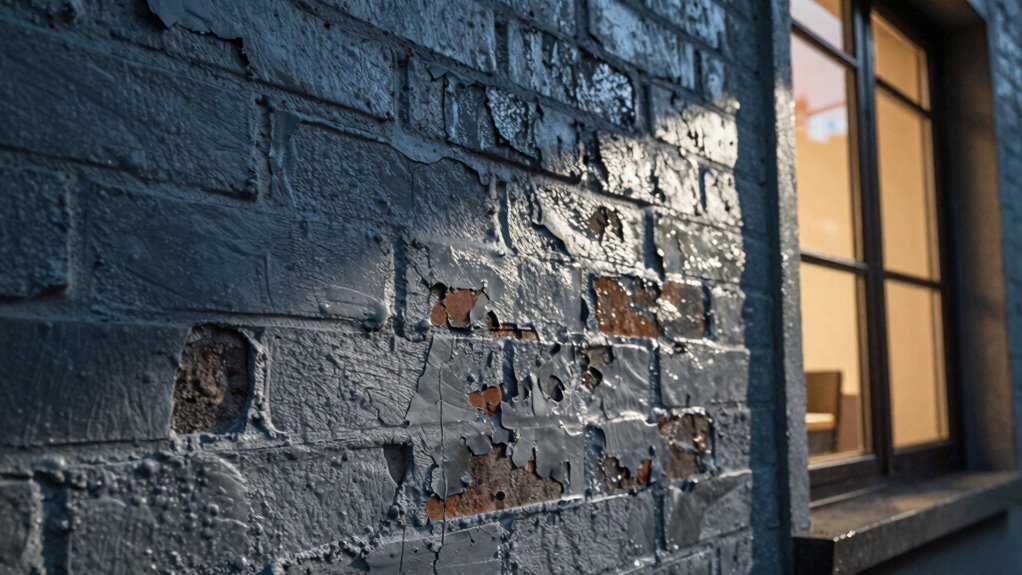
Have you noticed that your exterior walls feel unusually cold, even when the indoors is warm? This sensation isn’t just a matter of comfort—it’s a sign that something’s missing from your home’s insulation system. When walls feel chilly to the touch, it often indicates poor thermal insulation, which allows the cold outside air to seep through and chill the interior surface. Without proper insulation, your walls can’t act as an effective barrier against the outdoor elements, leading to a significant loss of heat and making your living space less comfortable.
Cold exterior walls indicate poor insulation, letting heat escape and making your home less comfortable.
But thermal insulation isn’t the only factor at play. Moisture control plays a crucial role in maintaining a warm, dry interior. Excess moisture can accumulate within your wall cavities, creating a damp environment that not only fosters mold and mildew but also diminishes the insulating properties of your wall materials. When moisture gets trapped, it can make your walls feel damp and cold, even if the temperature inside is comfortably warm. This dampness also promotes heat transfer, making insulation less effective and causing your walls to feel colder to the touch. Addressing moisture issues is essential because it helps preserve the integrity of your insulation and ensures a dry, warm environment. Proper moisture management is a key component in maintaining effective insulation and preventing cold walls. Additionally, understanding the material properties of your wall components can help identify areas prone to heat loss.
To combat these issues, you should consider upgrading your wall insulation with materials designed to improve thermal performance. Modern insulation options, like spray foam or rigid foam panels, offer better resistance to heat transfer, helping keep the cold out and the warmth in. Additionally, installing a vapor barrier can prevent moisture from penetrating your walls, which is key to moisture control. Proper ventilation systems, such as exhaust fans or vents, also help reduce humidity levels inside your home, further protecting your walls from dampness and coldness. Recognizing thermal bridging can further help in targeting specific areas where heat escapes most rapidly. Ensuring that your home has an effective air sealing system can significantly reduce drafts and heat loss.
Ultimately, guaranteeing your exterior walls are properly insulated and moisture-controlled creates a more energy-efficient home. It reduces heat loss, lowers your energy bills, and makes your living space more comfortable. If your walls continue to feel cold despite a warm interior, it’s a clear sign that your insulation needs attention. Addressing both thermal insulation and moisture control isn’t just about comfort—it’s about protecting your home’s structure and improving your overall quality of life. By taking these steps, you’ll transform cold, unwelcoming walls into a cozy barrier that keeps the chill out and the warmth inside.
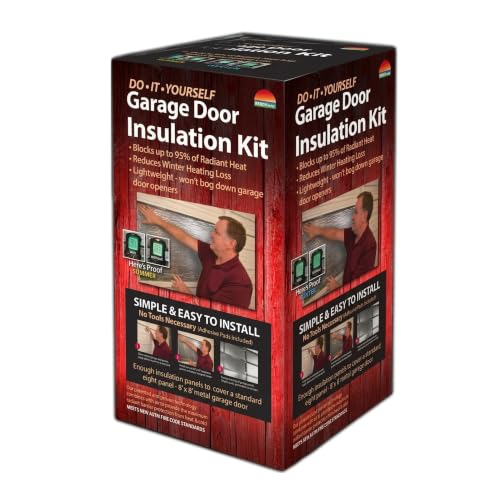
Reach Barrier Garage Door Insulation Kit, Reflective, 8×8 Single Door
SINGLE DOOR COVERAGE (8ft x 8ft): Designed to insulate one standard single garage door. For double-wide or two-car…
As an affiliate, we earn on qualifying purchases.
As an affiliate, we earn on qualifying purchases.
Frequently Asked Questions
Can Insulation Improve Exterior Wall Warmth?
Yes, insulation can improve exterior wall warmth. By adding insulation, you reduce thermal bridging and fill insulation gaps, which are common causes of cold exterior walls. This prevents heat from escaping through gaps and minimizes cold spots, making your walls feel warmer. Proper insulation guarantees better heat retention, keeps your room more comfortable, and can even lower energy bills. So, investing in insulation is a smart way to enhance your home’s thermal efficiency.
Do Exterior Wall Materials Affect Heat Transfer?
Yes, exterior wall materials influence heat transfer directly. You’ll notice that wall composition and their thermal conductivity determine how much heat moves through them. Materials with high thermal conductivity, like metal or concrete, transfer heat quickly, making walls feel cold. Conversely, materials with low thermal conductivity, like foam insulation or wood, slow heat transfer, keeping your walls warmer and reducing that chilly sensation even when the room is warm.
How Does Weather Influence Wall Temperature?
Weather influences wall temperature like a relentless tide, constantly shifting and shaping how heat moves. Wind chill cools exterior walls quickly, stripping away warmth and making them feel colder even in a warm room. Cold, windy days increase thermal bridging, allowing heat to escape through gaps or less insulated areas. As a result, your walls lose heat faster, making them feel icy despite indoor warmth.
Is Condensation Related to Cold Walls?
Condensation is directly related to cold walls because moisture buildup occurs when warm, moist air contacts cooler surfaces. When your exterior walls are cold due to thermal bridging, it makes it easier for condensation to form. This moisture can lead to dampness and mold, further affecting wall temperature and comfort. To prevent this, improve insulation and ventilation to reduce moisture and minimize thermal bridging.
Can Painting Exterior Walls Reduce Heat Loss?
A stitch in time saves nine, so painting exterior walls can help reduce heat loss. By applying insulation coatings, you can minimize thermal bridging and improve wall permeability, keeping heat inside. Properly painted walls act as a barrier, preventing cold air from seeping in and warm air from escaping. This not only enhances comfort but also makes your heating more efficient, saving energy and money in the long run.
vapor barrier for walls
As an affiliate, we earn on qualifying purchases.
As an affiliate, we earn on qualifying purchases.
Conclusion
Even when your room feels warm, those exterior walls remain cold, like a icy barrier between you and the outdoors. You might enjoy the cozy glow from your heater, but the chill seeps through, reminding you that walls are more than just barriers—they’re conductors of temperature. Understanding this contrast helps you see your space differently. By insulating properly, you turn that icy barrier into a warm embrace, transforming your room into a true haven from the cold outside.

Magic Chems Spray Foam Insulation Can (1 Pack-25.4 oz) Expanding Foam Sealant for Thermal & Acoustic Insulation, Closed Cell, High Density Spray Foams, Covers up to 20 Board feet/sq. ft.
SPRAY FOAM INSULATION : Before using spray foam insulation, shake the spray foam insulation can thoroughly. Lightly moisten…
As an affiliate, we earn on qualifying purchases.
As an affiliate, we earn on qualifying purchases.

Loctite Tite Foam Big Gaps Spray Foam Sealant, 12 fl oz Can, 1 Pack – Polyurethane Expanding Insulation
Expands To Fill: Loctite Tite Foam Big Gaps fills, seals, and insulates effectively around gaps and cracks up…
As an affiliate, we earn on qualifying purchases.
As an affiliate, we earn on qualifying purchases.