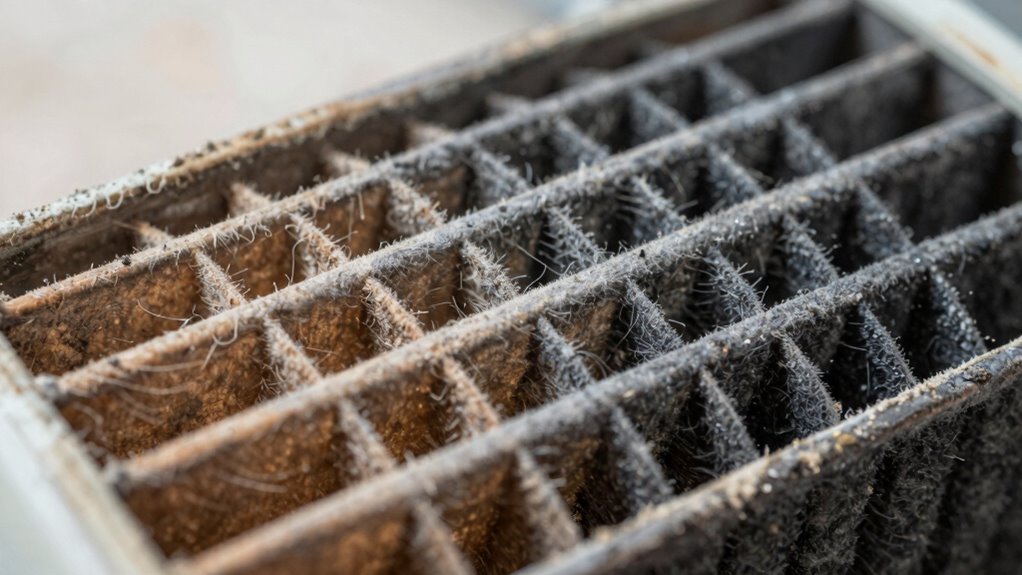
If your filters clog quickly and frequently despite minimal dirt, it’s a sign of real air quality issues. This pattern indicates that pollutants like cooking fumes, chemicals, or outdoor particles are infiltrating and accumulating faster than normal. Poor ventilation can also cause filters to load up prematurely. If you notice this, it’s worth exploring the sources and ventilation effectiveness. Keep going to uncover more about how these patterns can reveal the true state of your indoor air quality.
Open a free Amazon Business account
Business pricing, bulk buying and tax-exempt orders.
As an affiliate, we earn on qualifying purchases.
Key Takeaways
- Rapid filter dirt accumulation despite low pollution sources indicates poor ventilation or external pollutants infiltrating.
- Frequent filter clogging with minimal usage suggests underlying ventilation system malfunctions.
- Sudden increase in filter dirt levels may signal a spike in indoor pollutants or external air quality deterioration.
- Consistently dirty filters over time, regardless of activities, point to persistent air quality issues.
- Pattern of filters becoming dirty quickly during specific seasons indicates external or seasonal pollution influences.
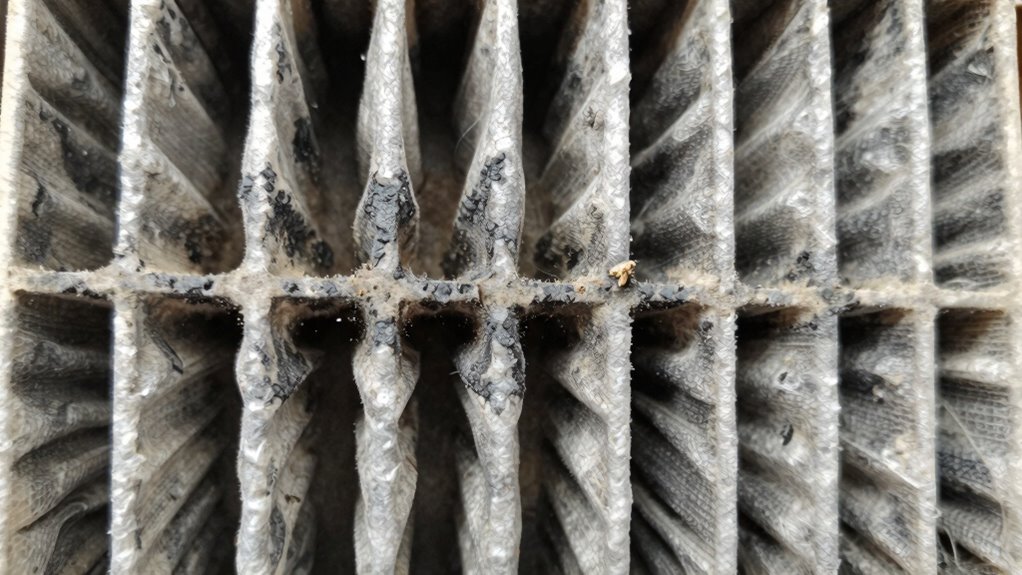
Air quality issues often go unnoticed until they become severe, but understanding the pattern of filter changes can reveal much about the true air quality in your space. When you monitor how often you need to replace your filters, you’re fundamentally tracking the level of indoor pollution and the effectiveness of your ventilation system. If filters become dirty faster than expected, it indicates there’s more particulate matter or pollutants circulating in your environment. This isn’t just about dirty filters; it’s about what that dirt signifies regarding the air you breathe daily. Monitoring air quality indicators can help you interpret these patterns more accurately and take appropriate action. A rapid accumulation of dirt on filters suggests high levels of indoor pollution, which can stem from various sources—cooking fumes, cleaning chemicals, pet dander, or even outdoor air infiltrating your home. When your ventilation system isn’t effectively removing these pollutants, they linger longer in your indoor air. This reduced ventilation effectiveness means the air isn’t being refreshed or filtered properly, leading to poorer indoor air quality. Recognizing the importance of ventilation effectiveness helps you better understand these patterns and their implications for your health. Tracking the pattern of your filter changes gives you insight into both indoor pollution levels and ventilation effectiveness. If you notice your filters need replacing more frequently without a clear external cause, it’s worth evaluating your ventilation system. A well-maintained system should keep filters relatively clean over time, assuming pollution sources are controlled. When filters clog quickly despite minimal pollution sources, it suggests that your ventilation might be insufficient or compromised, leading to poor air quality that can affect your health. Additionally, understanding how air exchange rates influence pollution accumulation can further improve your indoor air management. Regularly assessing your air exchange rate can help you optimize your ventilation for better indoor air quality. Moreover, considering seasonal changes and their impact on air quality can help you adapt your ventilation strategies throughout the year.
air purifier with air quality monitor
As an affiliate, we earn on qualifying purchases.
As an affiliate, we earn on qualifying purchases.
Frequently Asked Questions
How Often Should Filters Be Replaced for Optimal Air Quality?
You should replace your filters every 1 to 3 months to maintain ideal air quality, depending on your home’s conditions. Following air quality standards helps guarantee a healthier environment, but filter longevity varies with usage, pets, and allergies. Check your filters regularly for dirt or clogging, and replace them sooner if they look dirty. Consistent changes improve air quality, reduce allergens, and keep your HVAC system running efficiently.
Can a Dirty Filter Cause Health Problems?
Yes, a dirty filter can cause health problems. When filters are clogged with dust, mold, and indoor allergens, they fail to trap these particles effectively. Breathing in contaminated air can worsen respiratory health, trigger allergies, or cause asthma symptoms. Regularly changing your filter keeps indoor air cleaner, reducing exposure to harmful allergens and supporting better respiratory health for you and your family.
What Types of Filters Are Best for Air Quality?
If you want to breathe easy, go for high-quality air filters like HEPA or activated carbon, which trap tiny particles and odors. The best air filter materials are durable and efficient, such as pleated paper or synthetic fibers. Remember, filter maintenance tips matter—change filters regularly and keep vents clean. Otherwise, you might as well be inhaling yesterday’s laundry. Your lungs deserve better, so choose wisely!
How Do I Know if My Filter Needs Changing Early?
You’ll know your filter needs changing early if your air quality sensors detect declining air quality levels, even when the filter looks clean. Keep an eye on the filter’s lifespan recommendations—most last around 3 months. If you notice more dust, allergies flare-up, or reduced airflow, it’s time to replace it sooner. Regular checks help guarantee your air stays fresh and healthy, preventing buildup that can compromise indoor air quality.
Do Air Purifiers Require Filter Changes Too?
Air purifiers do require filter changes over time. With proper air purifier maintenance, you’ll notice the filter’s lifespan gradually shortening, like a fading bloom. As the filter becomes less effective, it’s time to replace it to guarantee excellent air quality. Staying attentive to these signals helps you maintain a fresh, healthy environment, preventing the buildup of pollutants and keeping your air purifier working at its best.
As an affiliate, we earn on qualifying purchases.
Conclusion
Keep an eye on your filter’s changing rhythm; it’s like a heartbeat revealing your home’s true air health. When the pattern shifts unexpectedly, it’s a siren warning that unseen dangers are lurking. Don’t ignore these signs—treat them as your home’s secret language, whispering urgent truths. By staying vigilant and timely with filter changes, you’re not just cleaning the air—you’re shielding your sanctuary from invisible threats, turning your space into a fortress of pure, breathable freedom.
As an affiliate, we earn on qualifying purchases.
As an affiliate, we earn on qualifying purchases.
Flea & tick season Picks
flea and tick prevention
As an affiliate, we earn on qualifying purchases.