
Room sensors help you save energy and boost comfort by adjusting lighting, heating, and cooling based on occupancy and environmental factors. However, they can also make things worse if they compromise your privacy or collect data without your consent. Unauthorized access or insecure storage of sensor data can lead to privacy breaches. To protect your privacy while benefiting from these devices, it’s important to understand their features and manage them carefully—more details await if you keep exploring.
Listen free for 30 days with Audible
Thousands of audiobooks and originals — cancel anytime.
As an affiliate, we earn on qualifying purchases.
Key Takeaways
- Room sensors optimize energy use and comfort by automatically adjusting environment controls based on occupancy and conditions.
- They enhance sustainability and reduce utility costs through automation and efficient management of heating, cooling, and lighting.
- Privacy concerns arise from constant monitoring, data collection, and potential unauthorized access or misuse of sensor data.
- Proper security measures, responsible device selection, and user control are essential to mitigate privacy risks associated with sensors.
- Overreliance on sensors can lead to privacy invasions or data breaches, especially if security features are overlooked or disabled.
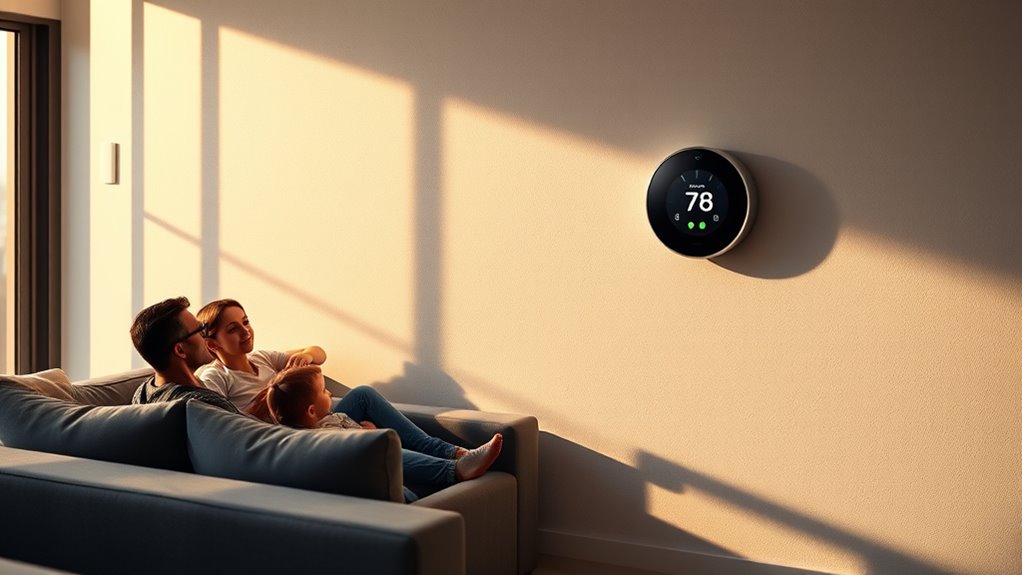
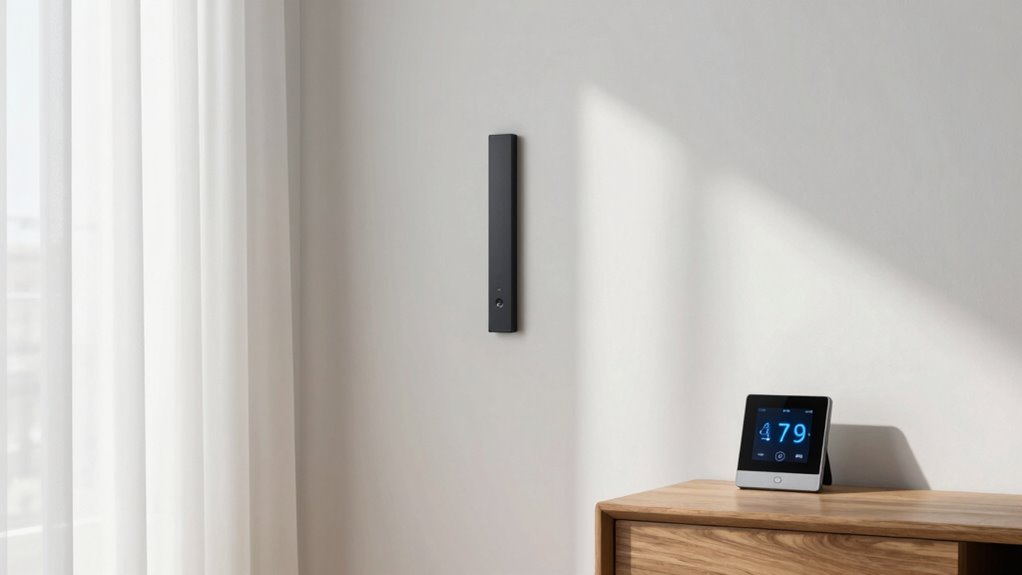
Room sensors are smart devices that detect movement, temperature, humidity, and other environmental factors to optimize your living or working space. When used correctly, they can considerably improve energy efficiency by adjusting heating, cooling, and lighting based on occupancy and environmental conditions. For example, if a sensor detects no one in the room, it can turn off lights or lower the thermostat, saving you money and reducing your carbon footprint. This automation makes your home or office more sustainable and helps you avoid wasting energy on unoccupied spaces. However, despite these benefits, privacy concerns often come with the territory. Since sensors constantly monitor activity and environmental data, they can inadvertently collect information about your habits and routines. If this data isn’t securely stored or properly managed, it could be accessed by unauthorized parties, raising questions about personal privacy. Many users worry that sensors might track their movements or behaviors without explicit consent, leading to a feeling of being constantly watched. This issue becomes especially sensitive in workplaces or shared spaces where individuals expect a certain level of privacy. While manufacturers emphasize data encryption and privacy policies, the potential for misuse or breaches remains a valid concern. You need to weigh the energy savings against the possible invasion of privacy, considering how much information you’re comfortable sharing. It’s worth researching the privacy features of the sensors you’re considering and ensuring they comply with data protection standards. You can also opt for devices that give you more control over data collection and storage, and disable features that seem intrusive. When used thoughtfully, room sensors can streamline your environment, making it more energy-efficient and comfortable. But, if you’re not attentive to privacy settings or if the sensors aren’t properly secured, they can become a source of unease, tracking more than just environmental conditions. It’s essential to stay informed about how your sensor devices operate and what data they collect. Make sure to keep firmware updated and review privacy policies periodically. Additionally, understanding smart home security practices can help you protect your data and maintain your privacy. Ultimately, room sensors can enhance your space when they’re used responsibly, but they can also make things worse if privacy isn’t prioritized. Finding the right balance is key: leverage their energy-saving potential while safeguarding your personal information. By doing so, you’ll enjoy the benefits of smarter technology without compromising your privacy or peace of mind.
Frequently Asked Questions
How Do Room Sensors Improve Energy Efficiency?
Room sensors improve energy efficiency by using occupancy detection to turn off or adjust heating, cooling, and lighting when rooms are unoccupied. They help maintain ideal temperature regulation, ensuring you don’t waste energy cooling or heating empty spaces. By automatically responding to occupancy, sensors reduce unnecessary energy use, save costs, and contribute to a greener environment, making your space smarter and more efficient without you needing to manually control settings.
What Are Common Privacy Concerns With Room Sensors?
You might worry that room sensors could turn your home into a privacy invasion nightmare, collecting data without permission. These sensors can capture sensitive info, leading to unauthorized data collection that breaches your trust. It’s almost like having an invisible spy in your space. Be cautious, and guarantee your devices have strong privacy protections, so you’re not unwittingly opening the door to privacy invasion every time you turn on a sensor.
Can Room Sensors Malfunction or Give False Readings?
Yes, room sensors can malfunction or give false readings. To prevent this, you should regularly check sensor calibration and maintain proper installation. False alarms often occur due to sensor drift, environmental interference, or dust buildup. By keeping sensors calibrated and clean, you reduce the chances of inaccurate data. This proactive approach helps guarantee reliable operation, minimizes false alarms, and maintains the effectiveness of your room sensor system.
Are Room Sensors Compatible With All Smart Home Systems?
Your smart home system is like a bustling city, and your room sensors are essential bridges—so are they compatible with all systems? Not always. Sensor compatibility varies, and some sensors may not seamlessly integrate with every smart home system. To avoid a traffic jam, check system integration options beforehand, and opt for sensors designed for broad compatibility. This ensures smooth operation and a truly connected home experience.
How Often Should Room Sensors Be Maintained or Replaced?
You should check your room sensors regularly, ideally every six to twelve months, to guarantee proper sensor calibration. Replace them if you notice inconsistent readings or if they stop functioning altogether. Following the recommended replacement schedules helps maintain accuracy and efficiency. Regular maintenance keeps your smart home system running smoothly, preventing false triggers, and improving overall performance. Stay proactive with sensor upkeep to get the most reliable and consistent results.
Conclusion
Room sensors can be your helpful allies or unintended troublemakers, depending on how you use them. When installed thoughtfully, they enhance comfort and efficiency, saving you time and energy. But push them too far or neglect proper settings, and they might cause more hassle than help. Remember, “a little caution is worth a pound of cure.” By understanding their limits and potential, you can enjoy the benefits without falling into pitfalls. Use sensors wisely, and they’ll serve you well.
Fall Picks
fall essentials
As an affiliate, we earn on qualifying purchases.