If your mini split’s condensate drainage isn’t working correctly, water can leak inside your home, causing damage to walls, flooring, and electrical systems. Without proper pipe insulation, external condensation can build up, leading to leaks and mold growth that’s costly and hard to clean. Regular maintenance and proper drainage help prevent these headaches. Keep watching to discover how to keep your system dry and your home safe from water-related issues.
Key Takeaways
- Poor condensate drainage can lead to water leaks, causing drywall damage and mold growth inside the home.
- External condensation on uninsulated pipes can result in water leaks and moisture buildup.
- Blocked or clogged drain lines prevent proper water flow, leading to overflow and water damage.
- Insufficient pipe insulation increases external condensation, risking leaks and structural damage.
- Ignoring condensate issues reduces system efficiency and can cause costly repairs over time.
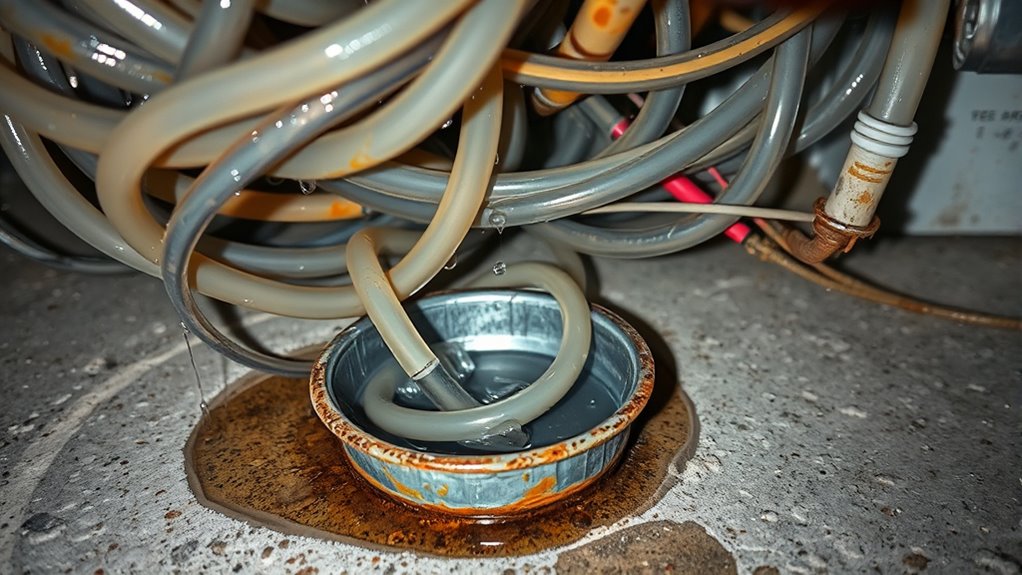
Have you ever wondered what happens to the water your mini split air conditioner produces? That water, known as condensate, forms as a natural part of the cooling process. When warm air passes over the cold evaporator coil, moisture in the air condenses into water droplets. This water then needs a clear pathway to drain away safely. If it doesn’t, it can lead to issues like leaks, water damage, and even mold growth. This is where proper condensate drainage becomes critical. One key aspect often overlooked is pipe insulation. If the drain pipe isn’t insulated properly, condensation can form on the outside of the pipe, leading to condensation buildup. This buildup can cause water to overflow or leak inside your home, creating a mess and potential damage.
You might not think about pipe insulation until you notice water dripping inside your wall or ceiling. Insulating the drain pipe prevents the temperature difference between the cold pipe and the warmer air around it from causing condensation to form on the pipe’s exterior. When condensation buildup occurs, it’s usually because warm, humid air comes into contact with the cold pipe surface, leading to moisture accumulation. Over time, this moisture can pool, overflow, or cause rust and corrosion inside the pipe. Proper insulation acts as a barrier, keeping the pipe’s temperature consistent and preventing unwanted moisture from forming externally. Not only does this protect your home’s structure, but it also reduces the risk of mold and mildew that thrive in damp environments. Additionally, understanding condensate drainage is essential for maintaining system efficiency and preventing costly repairs.
Ignoring the importance of pipe insulation and condensation buildup can turn a simple drainage issue into a costly headache. Water that leaks or drips inside walls can damage drywall, insulation, and electrical wiring. Plus, standing water and excess moisture create an ideal environment for mold growth, which can impact your health. Regular maintenance, including inspecting and insulating your drain pipes, can save you from these headaches. Ensuring the condensate drains properly and that no condensation buildup occurs on the pipe exterior is essential for long-term comfort and safety.
To keep your mini split system functioning smoothly, pay attention to how water is managed. Proper pipe insulation isn’t just about energy efficiency; it’s about preventing the condensation buildup that leads to bigger problems. Take a few minutes to check your drain lines periodically, especially during humid months. If you notice any signs of water leaks or excessive moisture, addressing the issue promptly can prevent extensive damage later on. In the end, understanding the relationship between condensate drainage, pipe insulation, and condensation buildup helps you keep your home safe, dry, and comfortable.

HANSUM Mini Split Drain Hose Air Conditioner Parts & Accessories Pipe Water Tube Pump Universal Line Set Cover for AC Drainage Hvac Extender Outside (25FT)
1.The flexible drain hose included with most mini-split air conditioners and heat pumps makes it easy to connect…
As an affiliate, we earn on qualifying purchases.
As an affiliate, we earn on qualifying purchases.
Frequently Asked Questions
How Often Should I Clean My Mini Split’s Condensate Drain?
You should clean your mini split’s condensate drain at least once every three to six months. Regular drain cleaning helps prevent clogs and algae buildup, which can cause water leaks or system issues. Keep an eye out for standing water or mold around the unit. To prevent algae, consider using a mild disinfectant or drain cleaner during your routine maintenance, ensuring your system stays clean and functions efficiently.
Can Algae Growth in the Drain Cause System Failure?
Yes, algae buildup in your mini split’s drain can cause system failure by leading to drain blockage. As algae grow, they restrict water flow, which can cause water to back up and potentially damage your unit. Regularly cleaning the drain and removing algae helps prevent blockages, ensuring your system runs smoothly. Don’t ignore signs of algae or drain clogging; early action saves you money and headaches down the line.
What Signs Indicate a Clogged Condensate Drain?
Like a silent alarm, overflowing water signals a clogged condensate drain. You’ll notice water pooling around your unit, musty odors, or uneven cooling, indicating drainage problems. Regular maintenance tips, such as clearing debris and checking for algae buildup, help prevent these issues. If you see these signs, act quickly to avoid system damage, ensuring your mini split runs smoothly and efficiently.
Is Professional Help Necessary for Drain Maintenance?
You should definitely consider professional servicing for drain maintenance, especially if DIY cleaning doesn’t resolve issues or if you’re unsure about handling delicate components. While simple DIY cleaning can keep your mini split’s drain clear, a professional can thoroughly inspect and fix potential problems, preventing costly damage later. Relying on experts guarantees your system functions efficiently, saving you time and headaches caused by water drainage problems.
Are There DIY Methods to Prevent Drain Blockages?
Think of your drain as a garden hose that needs regular cleaning to prevent clogs. You can do DIY cleaning by flushing the drain line with a mixture of vinegar and water every few months. To help with drain prevention, make sure the drain is clear of debris and keep the area around the unit clean. Regular maintenance keeps the flow smooth and prevents water backups, saving you from costly repairs.

Mission Control 32 oz AC Drain Line Cleaner for Central AC & Mini Splits
STOPS THE CEILING STAIN – One pour keeps your AC drain flowing and helps prevent the overflow that…
As an affiliate, we earn on qualifying purchases.
As an affiliate, we earn on qualifying purchases.
Conclusion
So, don’t let water become your mini split’s silent storm. Keep an eye on the drain, clear blockages, and stay ahead of leaks before they turn into raging rivers. A little maintenance now can save you a tidal wave of headaches later. Think of your condensate drain as the heartbeat of your system—when it flows smoothly, everything hums happily. Stay vigilant, and your mini split will keep cooling with calm, steady grace.

DiversiTech (6-2748L) A/C Secondary Plastic Condensate Drain Pan, Air Conditioner Drip Pan with Rolled Edges, 27" x 48", Black
PLASTIC DRAIN PAN: Ideal for collecting condensate from cooling and evaporator coils, designed to safeguard indoor environments from…
As an affiliate, we earn on qualifying purchases.
As an affiliate, we earn on qualifying purchases.
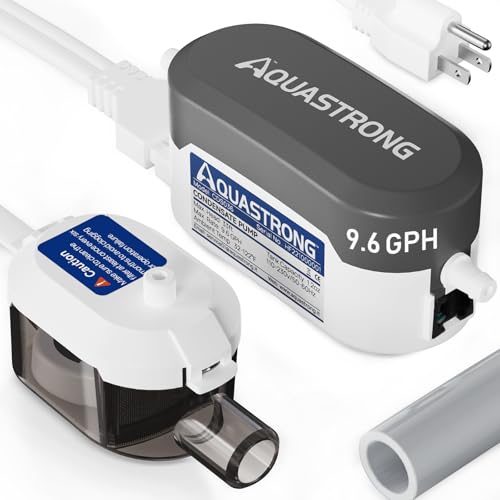
Aquastrong Mini Split HVAC Condensate Pump, 9.6 GPH, 115V/230V, Automatic Safety Switch, 33 FT Lift AC Condensate Removal for Air Conditioner, Furnace, Dehumidifier, 3.3' Power Cord
High Performance: Automatic condensate pump features an efficient thermally protected motor, providing quick draining and ultra-silent operation (20…
As an affiliate, we earn on qualifying purchases.
As an affiliate, we earn on qualifying purchases.