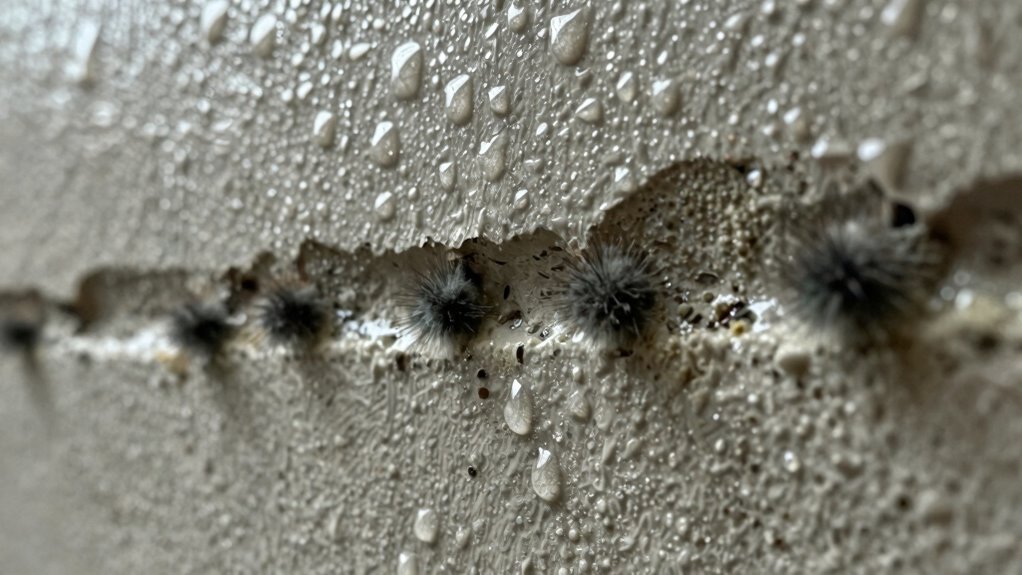

Your mold risk mainly depends on keeping indoor humidity levels between 30% and 50%. When humidity rises above this range, moisture accumulates on surfaces, creating ideal conditions for mold spores to settle and grow. Damp air from activities like cooking, showering, or poor ventilation makes it easier for mold to thrive. If you want to understand how to better control moisture and prevent mold, stay with us to learn more.

Prime made for students and young adults
- Fast, free delivery for dorm and study essentials
- Prime Video and Amazon Music included
- Member-only deals
Key Takeaways
- Indoor humidity above 50% significantly increases the risk of mold growth.
- Maintaining humidity between 30% and 50% helps prevent mold development.
- High humidity promotes moisture accumulation on surfaces like walls and ceilings.
- Excess moisture from activities like cooking or showering creates favorable conditions for mold.
- Proper ventilation and dehumidification are essential to control humidity levels and reduce mold risk.
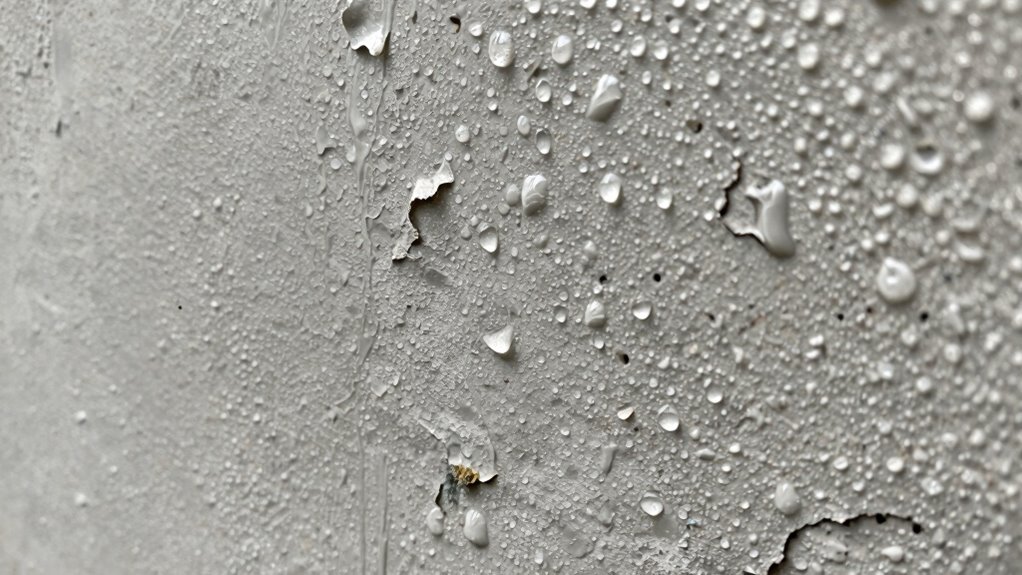
High humidity levels can considerably increase the risk of mold growth in your home. When the air stays damp and moisture lingers, mold spores find the perfect environment to settle and spread. To combat this, you need to focus on controlling indoor moisture, and one effective way is through ventilation improvements. Better airflow helps dry out excess moisture, reducing the chances for mold to develop. Consider installing exhaust fans in your kitchen and bathroom, or using air vents that promote circulation throughout your living spaces. Keep windows open when weather permits, especially after activities like cooking or showering, to allow humid air to escape. Using dehumidifiers can also help maintain ideal humidity levels, ideally between 30% and 50%. This constant regulation prevents moisture from accumulating on walls, ceilings, and other surfaces, which are prime spots for mold growth.
Controlling indoor moisture with ventilation and dehumidifiers prevents mold growth and keeps your home healthier.
In addition to improving ventilation, choosing the right materials for your home can make a noteworthy difference. Mold resistant materials are designed to withstand moisture better than standard options. For instance, instead of traditional drywall, opt for mold-resistant drywall in areas prone to humidity, such as bathrooms or basements. These materials contain antimicrobial agents that inhibit mold growth, giving you an extra layer of protection. Similarly, using mold-resistant paint on walls and ceilings can help keep mold at bay, especially in high-moisture zones. When remodeling or renovating, prioritize materials that resist moisture and mold, which ultimately makes your home less hospitable to mold spores. Maintaining proper indoor air quality is essential for preventing mold, as good ventilation reduces moisture accumulation and inhibits mold proliferation. Proper moisture management techniques are vital in creating an environment that discourages mold development. Regularly monitoring humidity levels with a hygrometer can also help you stay informed about indoor moisture content. Moreover, understanding indoor environmental factors that influence mold growth can further aid in developing effective prevention strategies.
You should also be mindful of how surfaces in your home retain moisture. Regularly inspecting areas like under sinks, around windows, and near pipes can help you catch leaks or condensation early. Fixing leaks promptly prevents water from seeping into materials that mold loves to colonize. Additionally, keeping your home well-insulated reduces temperature fluctuations that cause condensation, another common source of moisture buildup. When all these strategies come together—ventilation improvements, the use of mold resistant materials, and moisture control—you create an environment that’s much less inviting for mold spores to settle and grow.
Ultimately, controlling humidity isn’t just about comfort; it’s about preserving your home’s health. By paying attention to the humidity detail that really matters—the moisture levels—you can markedly lower your mold risk. Implementing these steps takes effort, but it’s well worth it for a cleaner, healthier living space. Keep moisture in check, improve airflow, and choose mold-resistant building materials, and you’ll make your home far less susceptible to mold infestations in the long run.
Popular right now

Ninja Flip Toaster Oven and Air Fryer, 8-in-1, Stainless Steel, SP151

Ninja Luxe Café Premier 3-in-1 Espresso Machine, Drip Coffee & Cold Brew

Dyson Ball Animal Total Clean Upright Vacuum
As an affiliate, we earn on qualifying purchases.
Frequently Asked Questions
How Quickly Can Mold Develop in High Humidity Conditions?
Mold can start developing within 24 to 48 hours in high humidity conditions if humidity thresholds exceed 60%. Mold spores are always present in the environment, but they need moisture to grow. When humidity stays consistently high, say above 70%, it creates an ideal environment for mold to thrive quickly. To prevent this, keep indoor humidity levels below 60 and guarantee proper ventilation.
Does Mold Risk Vary With Different Types of Indoor Materials?
Your mold risk does vary with different indoor materials. Porous materials like drywall and fabric provide a cozy environment for mold spores, especially if surface textures are rough or uneven, trapping moisture. Smoother, non-porous surfaces like glass or tile resist mold growth better. So, understanding material porosity and surface texture helps you decide which areas need extra attention to keep mold at bay.
Can Mold Grow Without Visible Water or Moisture Presence?
Yes, mold can grow without visible water or moisture presence. Water intrusion and hidden moisture behind walls, floors, or ceilings create ideal conditions for mold growth, even if surfaces look dry. You might not see moisture, but it can linger in hidden areas, feeding mold spores. Regular inspections and controlling humidity help detect and prevent unseen moisture buildup, reducing mold risk and protecting your indoor environment.
How Does Outdoor Humidity Influence Indoor Mold Growth?
Outdoor humidity is like a silent partner that influences your home’s climate, often unnoticed. When outdoor humidity exceeds the safe thresholds—usually around 60%—it can seep inside through windows, vents, or tiny cracks. This moisture creates the perfect environment for mold to thrive indoors, especially in areas with poor ventilation. Monitoring outdoor climate and keeping indoor humidity levels below 60% helps you prevent mold growth effectively.
Are There Effective Ways to Reduce Humidity Levels Naturally?
Yes, you can naturally reduce humidity levels by using natural dehumidifiers like charcoal, which absorbs moisture, and placing indoor plants that help regulate humidity through transpiration. Keep your home well-ventilated by opening windows and using exhaust fans. Additionally, fixing leaks and avoiding overwatering plants reduce excess moisture. These simple steps create a healthier environment, lowering mold risk without relying on artificial dehumidifiers.
Conclusion
Keeping your indoor humidity below 60% considerably reduces mold risk, so you can breathe easier. Did you know that mold can start growing within just 24 to 48 hours of moisture exposure? By maintaining proper humidity levels, you’re not only protecting your home but also your health. Don’t forget, a simple hygrometer can help you monitor moisture levels easily. Stay vigilant, and enjoy a healthier, mold-free environment every day!