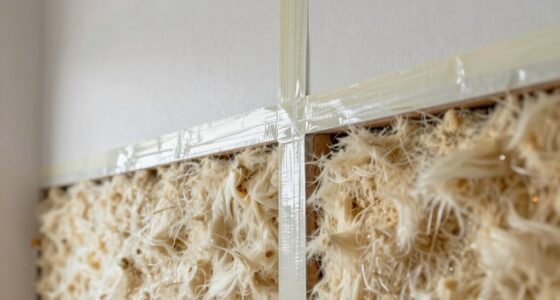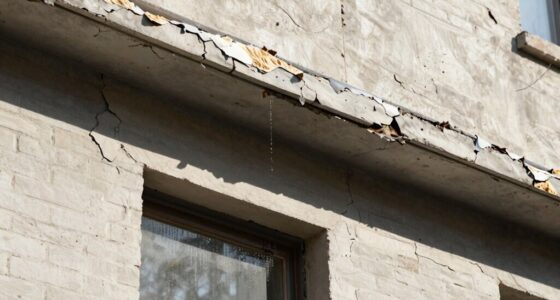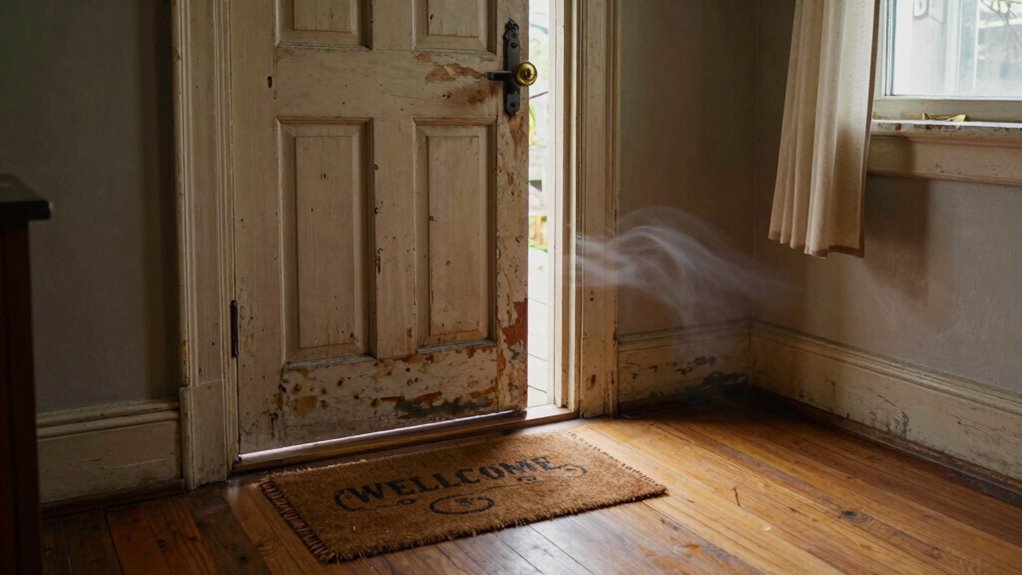

Your entryway feels drafty mainly because of gaps and leaks around doors, windows, or frames that let cold air slip inside. Worn weatherstripping, misaligned doors, or cracked seals are common culprits. Sometimes structural issues like warped frames cause poor fitting, making drafts worse. Sealing these gaps with caulk, replacing weatherstripping, or adding insulations can help. Keep exploring to discover more simple ways to keep your entryway cozy and energy-efficient.

Prime made for students and young adults
- Fast, free delivery for dorm and study essentials
- Prime Video and Amazon Music included
- Member-only deals
Key Takeaways
- Gaps or leaks around doors and windows allow cold air to enter.
- Worn or missing weatherstripping fails to seal gaps properly.
- Misaligned or poorly fitted doors create drafts at the entryway.
- Cracked seals or warped door frames compromise insulation.
- Lack of additional insulation or draft barriers increases draftiness.

When your entryway feels drafty, it’s not just an annoyance—it can also lead to higher energy bills and uncomfortable cold spots in your home. The main reason behind this persistent chill is often overlooked: gaps and leaks around doors and windows. These openings allow air to seep in and out, making your home less energy-efficient and more difficult to heat or cool effectively. The good news is that addressing this issue is straightforward with some simple weatherproofing tips and energy efficiency strategies that can transform your entryway into a more comfortable, cost-effective space.
Start by inspecting your doors and windows carefully. Look for visible gaps, cracked seals, or worn weatherstripping. Replacing old weatherstripping is one of the easiest and most affordable weatherproofing tips; it creates a tight seal that prevents drafts. For doors, consider installing or upgrading door sweeps at the bottom. A well-fitted door sweep blocks cold air from sneaking underneath. If you find gaps around door frames or window casings, use insulating foam or caulk to seal these spaces properly. These small fixes make a significant difference in reducing air leakage. Proper sealing is a key factor in maintaining indoor comfort and energy efficiency. Additionally, ensuring proper door installation can prevent many draft issues, especially if the existing door is misaligned. Proper door fitting ensures that the seal remains tight against the frame, reducing gaps that can develop over time.
Inspect and seal gaps around doors and windows for a cozy, energy-efficient entryway.
Another effective energy efficiency strategy involves adding door and window insulators. Clear plastic film kits are inexpensive and easy to install, creating an additional barrier against drafts. Heavy curtains or draft stoppers can also help, especially during the colder months, by providing an extra layer of insulation at entry points. Keep in mind that these measures not only improve comfort but also reduce your heating and cooling costs over time. Additionally, using energy-efficient doors with better insulation properties can make a notable difference in draft reduction. Sometimes, the problem lies in structural issues like poorly fitted doors or warped frames. If weatherproofing tips and minor repairs don’t do the trick, it might be time to *think about* replacing outdated doors with newer, more energy-efficient models featuring better insulation properties. Modern doors often come with built-in weatherstripping and thermal breaks that dramatically reduce drafts.
Finally, consider adding a small entryway or vestibule if space permits. This extra buffer zone acts as a barrier, minimizing the airflow between the outdoors and your main living space. Installing additional insulation in these areas or upgrading existing ones can further improve energy efficiency. Combining these weatherproofing tips with energy efficiency strategies not only keeps your entryway warmer but also helps lower your overall energy bill. Taking these simple steps ensures that your home stays cozy, and your energy consumption stays under control—making every winter more comfortable and cost-effective.
Popular right now

Ninja Flip Toaster Oven and Air Fryer, 8-in-1, Stainless Steel, SP151

Ninja Luxe Café Premier 3-in-1 Espresso Machine, Drip Coffee & Cold Brew
Dyson Car+Boat Cordless Handheld Vacuum
As an affiliate, we earn on qualifying purchases.
Frequently Asked Questions
Can Weatherstripping Completely Eliminate Drafts?
Weatherstripping can considerably reduce drafts, but it might not eliminate them completely. It improves indoor air quality by sealing gaps that let in cold air and helps boost energy efficiency by keeping warm air inside. However, over time, wear and tear can cause gaps to reappear. To maximize benefits, regularly inspect and replace weatherstripping as needed, ensuring your entryway stays cozy and energy-efficient.
How Often Should I Replace Door Seals?
You should replace door seals when you notice drafts or if they’re cracked, worn, or damaged. Depending on door material and insulation types, seals typically last 5-10 years. Regularly inspect them, especially in extreme weather. Over time, seals lose effectiveness, so timely replacement keeps your entryway cozy and energy-efficient. Choose seals suited for your door’s material and insulation type for the best results.
Do Draft Stoppers Work on All Types of Doors?
Draft stoppers are like trusty guards against air leaks, but they don’t work perfectly on all doors. They’re excellent for most standard doors, especially those with gaps or cracks, helping with door insulation. However, for uneven or heavy doors, you might need specialized solutions. Always measure your door and gap size to find the best draft stopper, ensuring your entryway stays warm and energy-efficient.
Can Interior Curtains Help Reduce Drafts?
Interior curtains can help reduce drafts effectively. Curtain insulation traps air and creates a barrier against cold air slipping through gaps, especially when you choose thicker fabrics. Plus, they offer various aesthetic options, letting you match your decor while improving energy efficiency. By hanging the right curtains, you can keep your space warmer and more comfortable, all while enhancing your room’s look.
Are There Eco-Friendly Options for Sealing Drafts?
Think of sealing drafts as giving your home a gentle hug—sustainable and kind to the planet. Eco-friendly insulation and sustainable sealing materials, like recycled foam or cellulose, are perfect choices. They effectively block drafts while reducing environmental impact. By choosing these options, you not only keep your entryway cozy but also support eco-conscious living. It’s a simple step that makes a big difference for your home and the Earth.
Conclusion
So, next time your entryway feels like a gusty ghost’s playground, remember, it’s not just about sealing gaps—it’s about welcoming warmth and comfort home. Think of your entryway as the gateway to your sanctuary; when it’s drafty, it’s like an open window to the outside world’s chill. By sealing those leaks, you’re shutting out the cold’s whispers and opening the door to cozy, inviting mornings. Your home’s warmth is just a seal away.