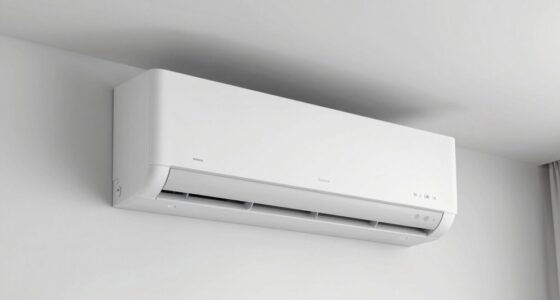
Choosing the right length and diameter for your mini split line set guarantees your system runs smoothly and efficiently. Longer lines may need larger diameters to prevent pressure drops and maintain proper refrigerant flow. Using the correct size also helps avoid system strain and reduces maintenance needs. Following the manufacturer’s guidelines is key to peak performance. Want to know more about how to choose the perfect line set for your system? Keep exploring for detailed tips.
Open a free Amazon Business account
Business pricing, bulk buying and tax-exempt orders.
As an affiliate, we earn on qualifying purchases.
Key Takeaways
- Proper line set length and diameter ensure optimal refrigerant flow and maintain system efficiency.
- Incorrect sizing can cause pressure drops, reducing cooling and heating performance.
- Longer line sets often require larger diameters to prevent refrigerant pressure loss.
- Using manufacturer-recommended sizes prevents system strain, leaks, and early failure.
- Properly selected line sets maximize system longevity and minimize maintenance issues.
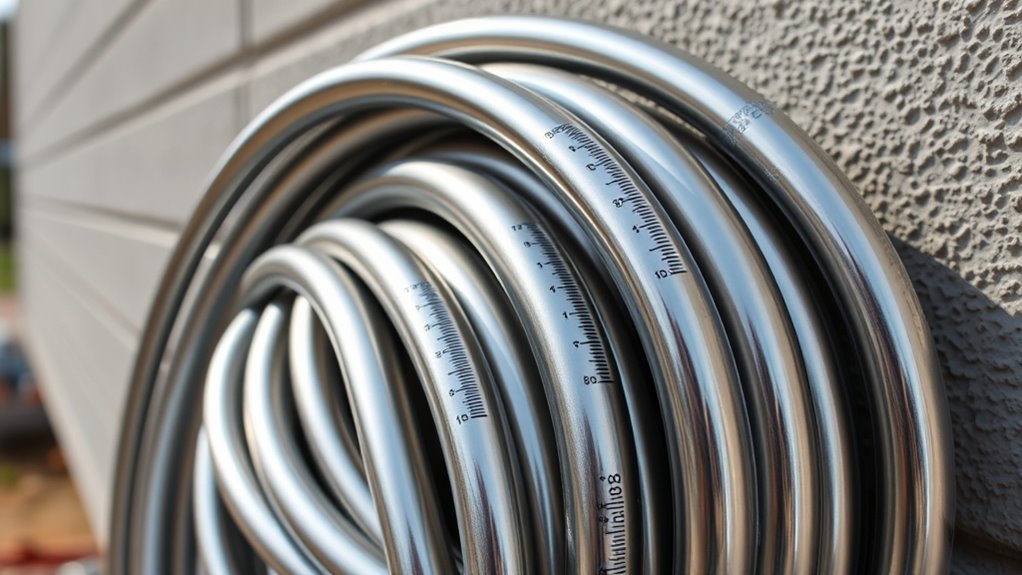
If you’re installing or maintaining a mini split system, understanding the basics of line sets is vital. The line set connects your indoor and outdoor units, carrying refrigerant between them. Choosing the right length, diameter, and type of refrigerant impacts system efficiency, performance, and longevity. Getting these details right ensures your mini split operates smoothly and minimizes potential issues down the line. Proper line set sizing also helps prevent pressure drops, which can adversely affect system operation. First, consider the refrigerant types used in your system. Most mini splits utilize environmentally friendly refrigerants like R-410A or newer options such as R-32. These refrigerants differ in pressure levels and thermal properties, so selecting the correct type is essential. Matching the refrigerant to your system specifications guarantees optimal cooling and heating performance. When installing, always follow manufacturer guidelines regarding refrigerant compatibility to prevent problems like insufficient cooling, system strain, or early component failure. Proper knowledge of refrigerant types also influences your choice of line set length and diameter, as some refrigerants may require specific sizing to maintain proper pressure and efficiency.
mini split line set length and diameter
As an affiliate, we earn on qualifying purchases.
As an affiliate, we earn on qualifying purchases.
Frequently Asked Questions
Can I Extend or Shorten the Line Set After Installation?
You can’t typically extend or shorten the line set after installation because of line set compatibility and extension limitations. Doing so may cause refrigerant leaks or system issues. If you need a different length, it’s best to consult a professional to guarantee proper connections and peak performance. Attempting to modify the line set yourself can void warranties and lead to costly repairs. Always follow manufacturer guidelines for safe, effective adjustments.
How Does Line Set Length Impact System Efficiency?
Your mini split’s efficiency hinges on line set length more than you might think—it can make or break refrigerant flow like a traffic jam on a busy highway. Longer lines can cause refrigerant to lose pressure, reducing cooling power. Proper insulation is essential to prevent energy loss, and keeping the length optimized ensures consistent refrigerant flow, maximizing system performance and saving you money on energy bills. Don’t let length sabotage your comfort!
What Are the Signs of Improper Line Set Installation?
You’ll notice signs of improper line set installation if you see refrigerant leaks or insulation issues. Refrigerant leaks cause reduced cooling efficiency and can lead to higher energy bills, while poor insulation results in temperature fluctuations and increased noise. Additionally, improper connections or kinks in the line set may cause system strain. Pay attention to these signs, and consult a professional to guarantee correct installation and ideal system performance.
Are There Specific Brands Best Suited for Longer Line Sets?
Did you know that some brands are better suited for longer line sets? You’ll want to choose brands known for their compatibility with extended lengths to avoid efficiency loss. Brands like Mitsubishi and Daikin often offer better options for longer runs. They also provide affordability options, making it easier to pick a reliable system without overspending. Always check brand compatibility before installation to guarantee peak performance and longevity.
How Often Should Line Sets Be Inspected or Replaced?
You should inspect your mini split line set annually during routine maintenance. Replace the line set if you notice refrigerant leaks, corrosion, or damage to the insulation. Follow the manufacturer’s maintenance schedule and replacement criteria to guarantee peak performance. Regular inspections help catch issues early, preventing costly repairs and energy loss. If in doubt, consult a professional to evaluate the line set’s condition and recommend necessary replacements.
refrigerant line set for mini split
As an affiliate, we earn on qualifying purchases.
As an affiliate, we earn on qualifying purchases.
Conclusion
Understanding the basics of line set length and diameter isn’t just technical jargon—it can make or break your mini split’s performance. Some believe longer lines always mean decreased efficiency, but recent studies suggest proper sizing and installation can keep your system running smoothly. So, don’t just follow assumptions—trust the facts and get expert advice. When you comprehend these essentials, you ensure your mini split works efficiently, saving you money and hassle in the long run.
As an affiliate, we earn on qualifying purchases.
mini split refrigerant line insulation
As an affiliate, we earn on qualifying purchases.
As an affiliate, we earn on qualifying purchases.
Flea & tick season Picks
flea and tick prevention
As an affiliate, we earn on qualifying purchases.