
TL;DR

Prime made for students and young adults
- Fast, free delivery for dorm and study essentials
- Prime Video and Amazon Music included
- Member-only deals
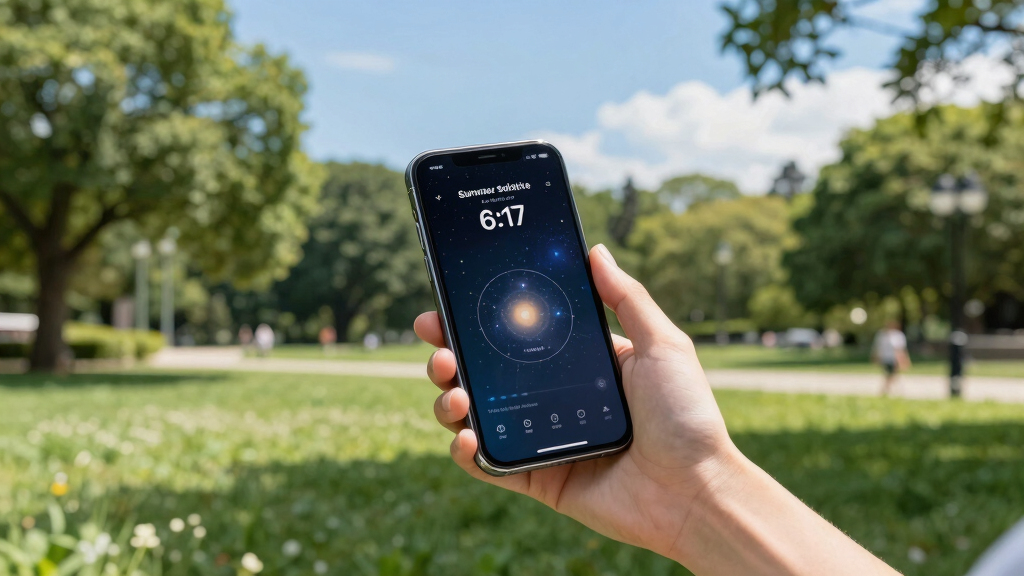
Astronomical summer officially started on Sunday with the summer solstice, the longest day of the year in the Northern Hemisphere. This marks the beginning of the season based on Earth’s position relative to the sun.
Astronomical summer officially began this Sunday with the summer solstice, the day with the longest period of daylight in the Northern Hemisphere. This seasonal change is determined by Earth’s position relative to the sun and marks a key astronomical event.
The summer solstice occurred on Sunday, June 21, 2026, at approximately 11:57 UTC, according to astronomical sources. This event signifies the point at which the North Pole is tilted closest to the sun, resulting in the longest daylight hours of the year for most regions in the Northern Hemisphere.
While meteorological summer begins on June 1, the astronomical start is based on Earth’s axial tilt and orbital position. The event was confirmed by astronomical organizations such as NASA and the U.S. Naval Observatory, which track Earth’s position in its orbit.
Why the Astronomical Summer Start Matters
The official start of astronomical summer is significant for astronomers, meteorologists, and seasonal planning. It marks the precise moment when Earth’s tilt results in the longest day and shortest night of the year in the Northern Hemisphere. This can influence cultural events, agricultural schedules, and energy consumption patterns.
Understanding the exact timing helps in scientific research related to Earth’s climate and solar exposure. It also provides a clear astronomical marker for seasonal change, distinct from meteorological definitions that rely on calendar months.
solar-powered outdoor garden lights
As an affiliate, we earn on qualifying purchases.
As an affiliate, we earn on qualifying purchases.
Historical and Astronomical Context of the Summer Solstice
The summer solstice has been observed for thousands of years, with ancient cultures marking this event with festivals and rituals. Astronomically, it occurs when the sun reaches its highest point in the sky at noon, directly overhead at the Tropic of Cancer.
In 2026, the solstice occurred at approximately 11:57 UTC on June 21, aligning with the Earth’s orbital position. This event happens twice a year, with the winter solstice occurring around December 21, marking the shortest day of the year in the Northern Hemisphere. The precise timing varies slightly each year due to Earth’s elliptical orbit and axial tilt.
As an affiliate, we earn on qualifying purchases.
Timing Variations and Cultural Observances
While the astronomical event is precisely timed, cultural celebrations and regional perceptions of the season may differ. It is not yet clear how different communities will mark or interpret the start of summer this year, especially in regions where meteorological and astronomical seasons diverge.
As an affiliate, we earn on qualifying purchases.
Upcoming Astronomical and Seasonal Milestones
Following the summer solstice, daylight hours will gradually decrease in the Northern Hemisphere. The next key astronomical event is the autumnal equinox around September 22, which will mark the beginning of fall. Meteorologically, summer continues until September 1, but the astronomical season is now officially underway.
Scientists and meteorologists will monitor climate patterns and daylight changes, while cultural and regional observances may vary in recognizing the season’s start.
As an affiliate, we earn on qualifying purchases.
Key Questions
What is the difference between meteorological and astronomical summer?
Meteorological summer begins on June 1 and ends on August 31, based on calendar months. Astronomical summer starts with the solstice, around June 21, and ends with the autumnal equinox around September 22, based on Earth’s position relative to the sun.
Why does the date of the solstice vary slightly each year?
The date varies due to Earth’s elliptical orbit and axial tilt, causing slight differences in the exact timing of when the sun reaches its highest point in the sky.
How do different cultures observe the solstice?
Many cultures have historically celebrated the solstice with festivals and rituals, but specific observances vary widely. Some regions focus on cultural or religious events, while others simply recognize the astronomical occurrence.
Will climate change affect the timing of the solstice?
Climate change is unlikely to alter the astronomical timing of the solstice, which is dictated by Earth’s orbit. However, climate impacts can influence seasonal weather patterns and daylight exposure.
Source: google-trends
Fall Picks
fall essentials
As an affiliate, we earn on qualifying purchases.