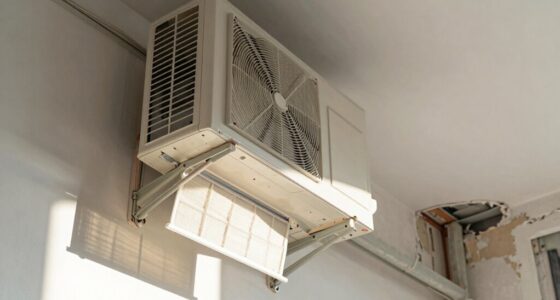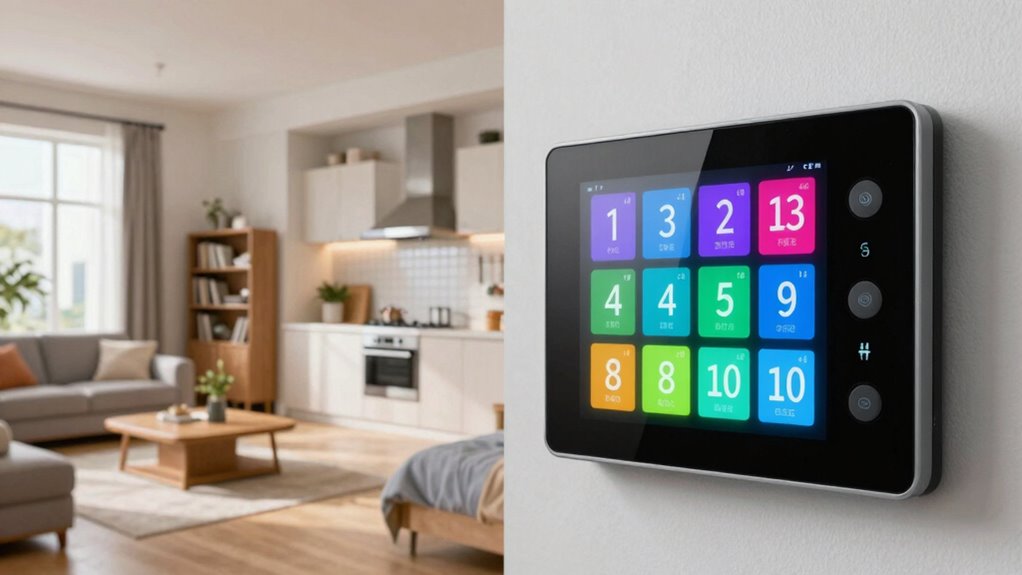

You’ll notice that multi-zone systems feel different because they give you precise control over each area of your home, unlike single-zone setups that operate uniformly. With multiple zones, you can heat or cool specific rooms based on your needs, making the environment more comfortable and efficient. This targeted approach creates a more responsive and customized climate experience. If you’re curious about how these systems work and how they can improve your comfort, explore further to discover more details.

Prime made for students and young adults
- Fast, free delivery for dorm and study essentials
- Prime Video and Amazon Music included
- Member-only deals
Key Takeaways
- Multi-zone systems tailor climate control to each area, creating a more personalized and responsive environment.
- They independently adjust temperatures, resulting in varied comfort levels across different zones.
- Enhanced control allows for precise temperature management, making spaces feel more comfortable.
- Single-zone setups provide uniform climate, which may not suit diverse room conditions or preferences.
- The complexity and technological sophistication of multi-zone systems lead to a more dynamic and adaptable experience.
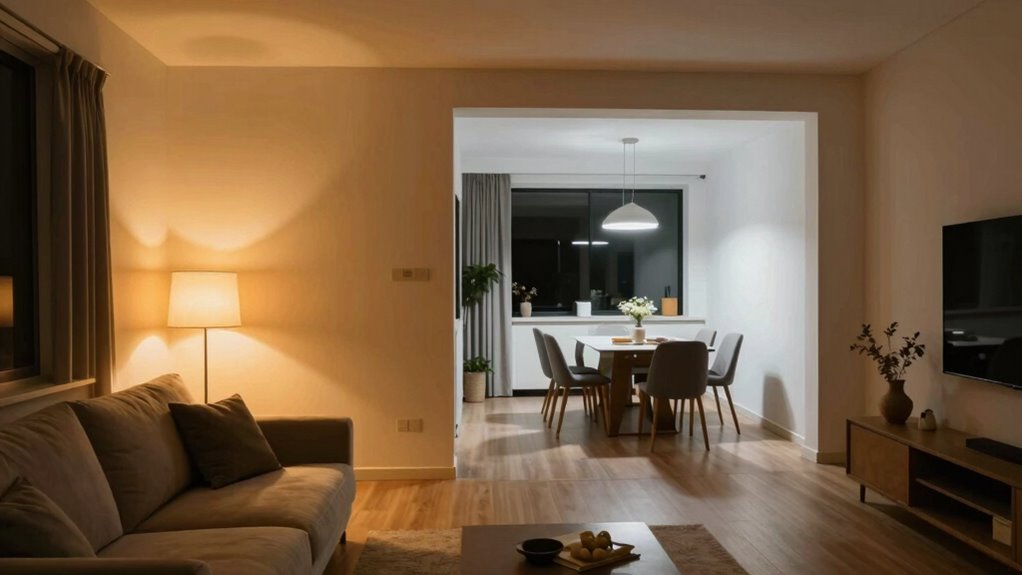
When choosing between multi-zone systems and single-zone setups for your home, understanding their differences can help you make the best decision. One of the key factors to weigh is how each system impacts energy efficiency. Multi-zone systems are designed to control several areas independently, allowing you to heat or cool specific rooms based on their individual needs. This targeted approach minimizes energy waste, as you’re not wasting power on unoccupied spaces or areas that don’t require constant climate control. In contrast, single-zone setups operate as a single unit, regulating the temperature for the entire home uniformly. While this might seem simpler, it often leads to inefficiencies, especially in larger homes or those with varying heating and cooling needs across different rooms. You might find yourself overusing your HVAC system to compensate for colder or warmer zones, which increases energy consumption and costs over time.
The feeling of these systems also differs because of their installation complexity. Multi-zone systems typically involve more intricate installation processes, requiring multiple thermostats, ductwork modifications, and sometimes additional equipment like zone dampers. This complexity can make installation more time-consuming and costly upfront. However, once installed, these systems tend to operate more smoothly, offering precise control that feels more responsive and personalized. Proper installation is crucial to ensure these systems function effectively and deliver the intended benefits. Additionally, advances in system design have made modern multi-zone setups more efficient and easier to manage, despite their initial complexity. You may also notice that technological advancements in zone controls have further enhanced their performance and user experience. Single-zone setups, on the other hand, are usually simpler to install. They often involve fewer components and less ductwork, making the setup quicker and generally less expensive. But because they control the entire house as one unit, the overall comfort might feel less adaptable, especially if some rooms tend to be warmer or cooler than others.
You’ll notice that multi-zone systems can feel more sophisticated and responsive because they allow you to tailor climate control to individual spaces. This creates a more consistent and comfortable environment, as each zone can be adjusted independently to suit its specific needs. Meanwhile, single-zone setups provide a uniform experience, which might be sufficient for smaller homes or spaces with similar heating and cooling demands. The difference in how these systems “feel” isn’t just about comfort—it also affects how you interact with your home’s climate control. Multi-zone systems tend to give you more control and flexibility, making your home feel more precisely managed, whereas single-zone setups offer simplicity but less customization. Additionally, understanding the climate control system options available can help you optimize your home’s comfort and energy efficiency to better suit your lifestyle.
As an affiliate, we earn on qualifying purchases.
Frequently Asked Questions
How Do Multi-Zone Systems Impact Energy Efficiency Compared to Single-Zone Setups?
Multi-zone systems boost energy savings by allowing you to heat or cool only the rooms you use, reducing wasted energy. They’re more efficient than single-zone setups when managing different temperature needs across your space. Although the initial cost comparison might be higher, the long-term savings on energy bills outweigh this. Overall, multi-zone systems offer better control and efficiency, helping you save money and reduce your environmental impact.
Are There Specific Climate Conditions That Favor Multi-Zone Over Single-Zone Systems?
Imagine living in a home with uneven sun exposure, where one side stays hot while the other remains cool. In such cases, multi-zone systems excel because of their climate adaptability and zoning flexibility. They allow you to target specific areas, optimizing comfort regardless of external conditions. So, if you experience varied weather or temperature fluctuations, a multi-zone setup offers better performance and energy efficiency, adapting seamlessly to your home’s unique climate needs.
What Are the Long-Term Maintenance Differences Between the Two Systems?
You’ll find that multi-zone systems generally have higher maintenance complexity due to multiple components, like dampers and zone controllers, which require regular checks. This can lead to increased cost implications over time, as repairs or replacements may be needed more often. In contrast, single-zone setups tend to be simpler to maintain, with fewer parts, resulting in lower long-term maintenance costs and less hassle for you.
Can Multi-Zone Systems Be Integrated With Smart Home Technology Easily?
You might think multi-zone systems are a breeze to integrate with smart home tech, but surprise — compatibility challenges often pop up. While many newer models boast smart integration, older systems can require extra adapters or custom solutions. It’s ironic how the promise of seamless control sometimes turns into a tech puzzle, making you wish for the simplicity of single-zone setups, even if they’re less flexible.
How Does System Size Affect Comfort Levels in Multi-Zone Versus Single-Zone Setups?
The size of your system influences comfort because larger multi-zone setups offer greater zoning flexibility, allowing you to customize temperatures in different areas, which enhances overall comfort. In contrast, single-zone systems may struggle to maintain temperature consistency across larger spaces. With multi-zone systems, you can adjust each zone independently, ensuring everyone feels comfortable, whereas a single-zone setup might leave some areas too hot or too cold.
As an affiliate, we earn on qualifying purchases.
Conclusion
Imagine living in a home where your living room stays cozy while the bedroom remains perfectly cool. That’s the magic of multi-zone systems—they offer personalized comfort in every space. For example, a family with different temperature preferences might find a multi-zone system more satisfying, preventing arguments over the thermostat. So, if you crave tailored comfort and energy efficiency, switching to a multi-zone setup could be your game-changer, making your home feel just right every time.
ductless multi-zone air conditioner
As an affiliate, we earn on qualifying purchases.
As an affiliate, we earn on qualifying purchases.
As an affiliate, we earn on qualifying purchases.
Halloween Picks
halloween
As an affiliate, we earn on qualifying purchases.