
Supplemental heat feels different from central heat because it provides localized warmth that’s more intense near the source, while central systems deliver even, background warmth throughout your home. You might notice it’s warmer in one spot but less comfortable further away. This variation in heat distribution affects how cozy you feel. If you want to understand why these differences matter and how they impact your comfort, keep exploring the details.

Prime made for students and young adults
- Fast, free delivery for dorm and study essentials
- Prime Video and Amazon Music included
- Member-only deals
Key Takeaways
- Supplemental heat provides localized warmth, creating a more intense but less evenly distributed temperature compared to central systems.
- Central heating offers uniform, background warmth, resulting in a consistent and natural indoor temperature perception.
- The quick, focused warmth of supplemental heaters can feel more intense but diminishes rapidly away from the source.
- Differences in control precision affect how temperature and warmth are perceived in each system.
- Initial setup and heat distribution influence how quickly and evenly each system makes a space feel warm.

Are you trying to decide between supplemental and central heating for your home? If so, you’ve probably noticed that supplemental heat feels different from central heat, and understanding why can help you make the best choice. One key factor is energy efficiency. Central heating systems are designed to warm entire homes uniformly, which can be energy-intensive, especially if you only spend time in a few rooms. Supplemental heating, on the other hand, targets specific areas, allowing you to heat just where you need it. This focused approach often leads to better energy efficiency, since you’re not wasting energy on unoccupied spaces. If reducing energy consumption is a priority, supplemental options might seem more appealing because they let you fine-tune your comfort without overdoing it.
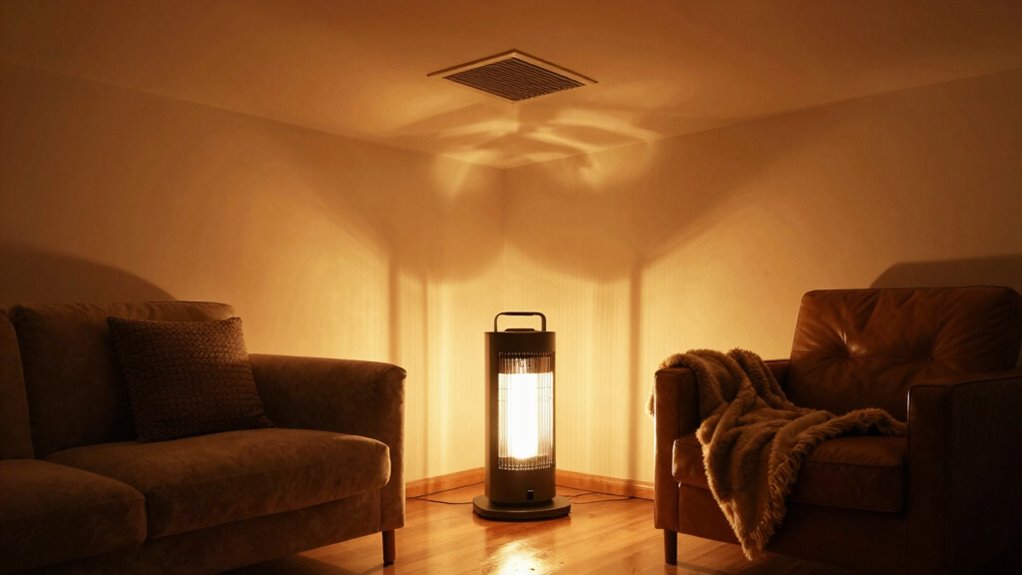
The way each system distributes heat also influences the way it feels. Central systems typically produce a consistent, background warmth that permeates the entire house. This uniform heat can feel more natural and comfortable, especially if you prefer a steady ambient temperature. Supplemental heat sources, like space heaters or small electric units, tend to provide localized warmth. When you stand near them, you feel immediate heat, but once you move away, the warmth diminishes rapidly. This difference can make supplemental heat feel more intense or “hot” in one spot, but less evenly distributed, which might explain why it feels different from the consistent comfort of central heating. Additionally, the way heat is delivered impacts the perception of comfort, since heat distribution influences how evenly warmth is felt throughout your space. Moreover, the perception of warmth can also be affected by the temperature regulation capabilities of each system, as some supplemental heaters may have less precise controls. It’s also worth noting that user preferences greatly influence comfort, which can make the same heating system feel different to different individuals. Furthermore, modern technology has introduced smart thermostats that enhance temperature control, improving comfort and efficiency for both systems. In addition, the initial setup of each heating system can also influence how quickly and evenly a space warms up, affecting overall comfort.
electric space heater with adjustable thermostat
As an affiliate, we earn on qualifying purchases.
As an affiliate, we earn on qualifying purchases.
Frequently Asked Questions
How Does Supplemental Heat Impact Overall Energy Bills?
Supplemental heat can raise your overall energy bills because it increases energy consumption, especially when used frequently or inefficiently. While it might seem cost-effective for small areas, the cost comparison shows it can be more expensive than relying solely on central heating if not managed carefully. To save money, use supplemental heat wisely, focusing on specific zones, and guarantee your main system is efficient, reducing the need for extra heating.
Can Supplemental Heat Improve Indoor Air Quality?
Yes, supplemental heat can improve indoor air quality by enhancing air circulation and reducing pollutants. When you add supplemental heat, it encourages better airflow throughout your space, preventing stagnant air pockets. This improved circulation helps disperse pollutants and allergens more effectively, leading to a cleaner, healthier environment. Plus, by maintaining consistent temperatures, supplemental heat minimizes drafts that can stir up dust and other airborne irritants, making your indoor air fresher.
What Safety Concerns Are Associated With Supplemental Heating?
Ever wonder if supplemental heating is safe? It can pose fire hazards if left unchecked or placed too close to flammable materials. Electrical safety is also essential—overloaded outlets or damaged cords increase risks. Always follow manufacturer instructions, keep heaters away from water, and guarantee proper ventilation. Are you prepared to use your supplemental heater responsibly? Staying vigilant helps prevent accidents and keeps your home safe and warm.
Is Supplemental Heat Effective in Extremely Cold Climates?
Supplemental heat can be effective even in extremely cold climates, especially for providing auxiliary warmth in specific areas. It offers localized heating, helping you stay comfortable where central heat might not sufficiently reach. However, relying solely on supplemental heat may not be enough during the coldest days, so it’s best to use it alongside your primary heating system. Proper insulation and safety precautions are essential to maximize its effectiveness.
How Does Supplemental Heat Affect Humidity Levels Indoors?
Imagine your home as a delicate garden; supplemental heat can tip the humidity balance, making the air feel drier or sometimes more humid. It affects moisture control by reducing indoor humidity, especially if the heat is intense or localized. You might notice dry skin or static, signaling a need to balance humidity levels. Using humidifiers or adjusting your heat sources helps maintain comfortable moisture, keeping your indoor environment healthy and cozy.
As an affiliate, we earn on qualifying purchases.
Conclusion
Understanding the difference between supplemental and central heat helps you appreciate how each method warms your space differently. Did you know that nearly 60% of homes with supplemental heat experience temperature variations of up to 10 degrees? That means, on a chilly day, your space might feel noticeably warmer near a space heater but cooler in other areas. Recognizing these differences helps you use each heating option more effectively, ensuring you stay comfortable no matter which method you choose.
energy-efficient space heater for small rooms
As an affiliate, we earn on qualifying purchases.
As an affiliate, we earn on qualifying purchases.
smart electric heater with remote control
As an affiliate, we earn on qualifying purchases.
As an affiliate, we earn on qualifying purchases.
Halloween Picks
halloween
As an affiliate, we earn on qualifying purchases.