
Stains often come back after cleaning because the source or molecules causing them haven’t been fully removed. If you only surface clean, dirt or stain residues can seep back after drying. Rushing the process or using the wrong products can trap particles inside the fabric, leading to reappearance. To prevent this, you need to address the stain source properly and give solutions enough time to work. Keep exploring to find out how to do this effectively.

Prime made for students and young adults
- Fast, free delivery for dorm and study essentials
- Prime Video and Amazon Music included
- Member-only deals
Key Takeaways
- Residual stain sources or molecules remain untreated, causing stains to reappear after drying.
- Rushing cleaning or not allowing solutions to penetrate prevents complete stain removal.
- Overusing or applying incompatible cleaning products can trap residues, leading to re-staining.
- Inadequate attention to fabric type and specific stain solutions results in incomplete removal.
- Using only surface cleaning or insufficient patience leaves underlying stains to resurface later.
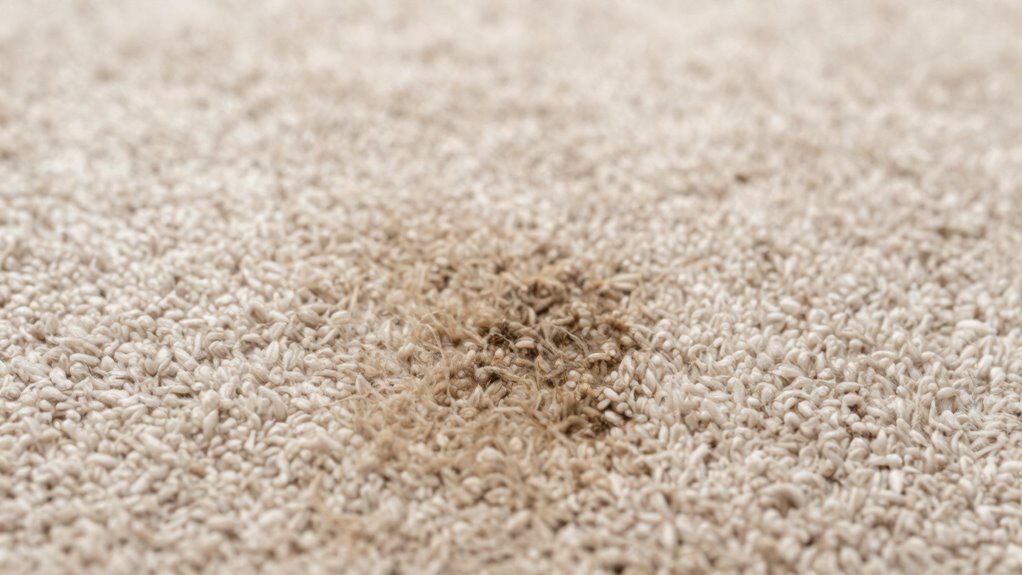
Have you ever cleaned a stain only to find it reappears shortly afterward? It’s frustrating, isn’t it? You’ve put in effort, used what you thought were effective stain removal techniques, only to see the mark come back as if you never touched it. This often happens because of a few common cleaning mistakes that many people make without realizing. Understanding these mistakes can help you prevent stains from returning and get your fabrics truly clean.
One of the biggest reasons stains come back is because the underlying cause wasn’t fully addressed. For example, using just water or a mild cleaner might remove surface dirt temporarily, but it won’t eliminate the stain or its source. If you don’t treat the stain properly, residual substances can seep back to the surface after drying, making it look like the stain has reappeared. This is why learning proper stain removal techniques is essential. For stubborn stains like wine, coffee, or ink, you need specific solutions—like a mixture of vinegar and baking soda or commercial stain removers—that break down the stain molecules more effectively.
Addressing the stain source fully prevents reappearance; use specific solutions for stubborn stains like wine or ink.
Another common cleaning mistake is rushing the process or not giving solutions enough time to work. Sometimes, people try to blot or wipe stains quickly, assuming that’s enough. But many stains require a bit of patience; allowing the cleaning solution to sit for a few minutes helps it penetrate deeper into fibers. Failing to do this can leave residual stain particles behind, which then resurface once the fabric dries. It’s also a mistake to scrub aggressively, as that can damage the fabric and push the stain deeper into the fibers, making it harder to remove completely. Proper stain treatment involves patience and understanding how different fabrics react to various cleaning agents.
Using too much cleaning product or the wrong type of cleaner can also lead to stain reappearance. Over-saturating fabric can trap dirt and cleaning residues inside, which may cause the stain to wick back up later. Conversely, using incompatible cleaners might leave behind sticky residues that attract dirt or cause the stain to re-emerge over time. Always check the fabric care labels and choose appropriate stain removal techniques, whether it’s a gentle solution for delicate fabrics or a stronger one for tough stains. It’s equally important to be aware of fabric type and its cleaning needs to ensure effective stain removal.
stain remover for wine and coffee
As an affiliate, we earn on qualifying purchases.
As an affiliate, we earn on qualifying purchases.
Frequently Asked Questions
Can Certain Fabrics Cause Stains to Reappear?
Yes, certain fabrics can cause stains to reappear. Fabrics with a high cotton or porous composition allow stain penetration deep into the fibers, making it harder to fully remove. If cleaning doesn’t reach these deeper layers, the stain can resurface later. To prevent this, you need to target the stain thoroughly and consider the fabric’s composition, as some materials absorb and trap stains more than others, leading to reappearance.
Do Cleaning Products Influence Stain Recurrence?
Cleaning products do influence stain recurrence because they can trigger chemical reactions that cause stains to reappear. Sometimes, products don’t fully remove the stain; instead, they cause surface absorption or chemical changes that make the stain seem gone temporarily. You might think a stain is gone, but residual chemicals or absorbed pigments can react later, making the stain come back. Choosing the right cleaning products helps prevent this cycle.
How Long Should I Wait Before Cleaning Again?
You should wait at least 24 to 48 hours before attempting stain removal again, giving the fabric time to fully dry and set. Regular cleaning frequency helps prevent stains from setting deeply, making future stain removal easier. If a stain reappears, avoid over-wetting the area, as it can cause the stain to bleed back. Patience is key—rushing cleaning too soon can make stains worse.
Do Stains Sometimes Seem to Disappear but Aren’T Fully Gone?
Sometimes, stains seem to disappear but aren’t fully gone, revealing their true stain longevity. You might notice faint marks because the fabric’s pH level affects stain removal, causing some stains to linger beneath the surface. This residual stain can reappear over time, especially if exposed to moisture or heat. To prevent this, make certain of proper cleaning techniques and consider pH-balanced products, so your fabrics stay fresh and stain-free longer.
Can Residual Moisture Make Stains Reappear Later?
Residual moisture can cause stains to reappear later because it affects stain longevity and fabric absorption. When moisture remains in the fabric, it can cause the stain particles to loosen or spread, making them visible again as the fabric dries. To prevent this, guarantee proper drying after cleaning, especially in thick or dense fabrics. Adequate drying reduces the chance of residual moisture, helping to keep stains from reappearing later.
As an affiliate, we earn on qualifying purchases.
Conclusion
Now, imagine your freshly cleaned carpet as a quiet lake, calm and inviting. But beneath the surface, stubborn stains can lurk like hidden currents, waiting to resurface. By understanding why stains come back—whether from residual residue or trapped moisture—you can prevent these unwanted ripples. Keep your space pristine by addressing the root causes, ensuring your home remains a peaceful, stain-free haven, where every glance feels as clear and inviting as a still, sparkling lake.
As an affiliate, we earn on qualifying purchases.
As an affiliate, we earn on qualifying purchases.
Halloween Picks
halloween
As an affiliate, we earn on qualifying purchases.