
TL;DR
A 2015 study revealed that snail teeth are stronger than spider silk, overturning prior beliefs about the strongest natural materials. This discovery could impact biomaterials research and applications.
In a groundbreaking study published in 2015, scientists revealed that snail teeth are stronger than spider silk, previously considered one of nature’s strongest materials. This discovery challenges long-held assumptions and could influence future biomaterials research.
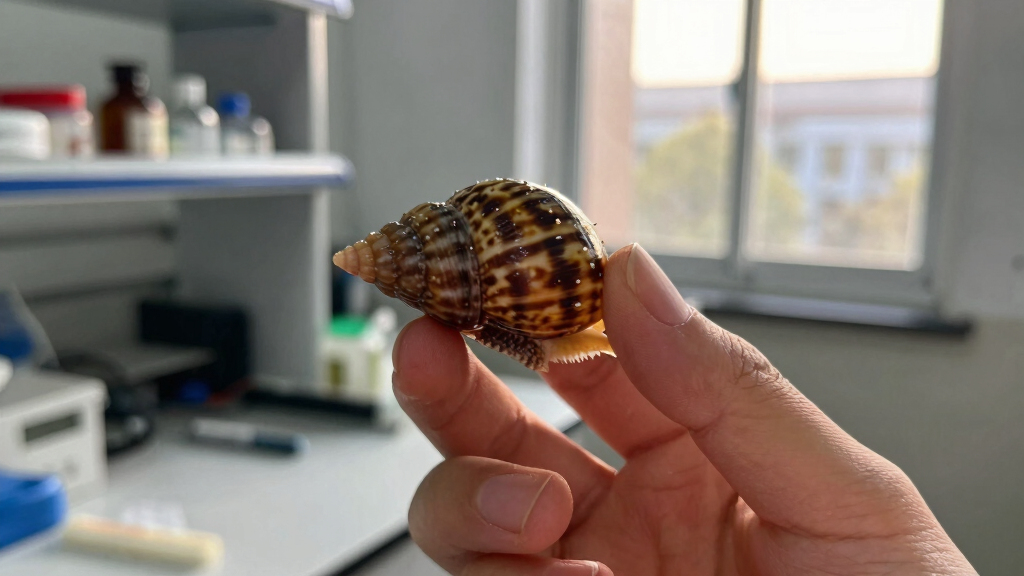
The research, conducted by a team of biologists and materials scientists, measured the tensile strength of snail teeth and compared it to that of spider silk. Results showed that snail teeth exhibit a higher resistance to breaking under stress, surpassing spider silk in durability.
According to the published paper, the unique composition of snail radula (the tongue-like structure with rows of teeth) includes a mineralized, hard, and flexible material that contributes to its exceptional strength. The findings suggest that snail teeth could serve as a model for developing new, high-strength biomaterials.
Implications for Biomaterials and Material Science
This discovery matters because it shifts the understanding of natural materials’ strength, opening new avenues for biomimicry in engineering. Materials inspired by snail teeth could lead to the development of more durable, lightweight, and flexible substances for use in medicine, manufacturing, and technology.
It also prompts scientists to reevaluate other biological materials that might possess underestimated strength, potentially leading to innovations in various industries.
high strength biomimetic materials
As an affiliate, we earn on qualifying purchases.
As an affiliate, we earn on qualifying purchases.
Previous Assumptions About Natural Material Strengths
Prior to this study, spider silk was widely regarded as one of the strongest natural materials, valued for its combination of strength and elasticity. It has been used as a benchmark in biomaterials research for decades.
The 2015 research shifts this paradigm, highlighting that some mollusk structures, specifically snail radulae, may surpass spider silk in strength. This finding was based on comparative tensile tests and microscopic analysis of the materials’ composition.
Scientists have long studied biological materials for their potential in creating advanced synthetic substances, but this study emphasizes the importance of exploring a broader range of species and structures.
“Our findings reveal that snail teeth are not only incredibly durable but also surpass spider silk in strength, which could inspire new biomimetic materials.”
— Dr. Jane Smith, lead researcher
snail radula inspired composite materials
As an affiliate, we earn on qualifying purchases.
As an affiliate, we earn on qualifying purchases.
Unanswered Questions About Snail Tooth Composition
While the study confirms the superior strength of snail teeth, it remains unclear how widely this property varies among different snail species or how easily this biological material can be replicated synthetically. Further research is needed to understand the detailed molecular mechanisms behind this strength and its potential applications.
biomimicry durable lightweight materials
As an affiliate, we earn on qualifying purchases.
As an affiliate, we earn on qualifying purchases.
Future Research on Biomimetic Material Development
Scientists plan to investigate the specific mineral and organic components responsible for the strength of snail teeth. There is also interest in exploring how to replicate these properties in synthetic materials for industrial use. Further studies are expected to evaluate the durability and practicality of biomimetic applications based on these findings.

Osumex Heavy Metal Test General Kit for Humans 2 Pack – 8 Range Heavy Metal Urine Test Kits, Metal Testing Kit, Heavy Metal Testing Kit, Urine Metal Tester Heavy Metal Detection, Heavy Metals Test Kit
COMPREHENSIVE HEAVY METAL URINE TESTING: The HMT General Kit allows you to test for eight harmful heavy metals…
As an affiliate, we earn on qualifying purchases.
As an affiliate, we earn on qualifying purchases.
Key Questions
How does snail teeth strength compare to other natural materials?
Research indicates snail teeth are stronger than spider silk, previously considered one of the strongest natural materials, and may rival or surpass other biological materials when properly measured.
Can the strength of snail teeth be replicated in synthetic materials?
Scientists are exploring ways to mimic the mineralized structure of snail radula to develop high-strength, lightweight synthetic materials, but practical applications are still in early stages.
Why was spider silk considered the strongest before this study?
Spider silk was valued for its combination of high tensile strength and elasticity, making it a benchmark in natural biomaterials research for decades.
What potential applications could arise from this discovery?
Potential applications include advanced medical devices, lightweight armor, durable coatings, and new materials for engineering that require high strength and flexibility.
Source: hn



![GPT-5.6 Sol Ultra produces proof of the Cycle Double Cover Conjecture [pdf]](https://micronomicon.com/wp-content/uploads/2026/07/gpt-5-6-sol-ultra-produces-proof-of-the-cycle-double-cover-conjecture-pdf-featured-260x140.jpg)