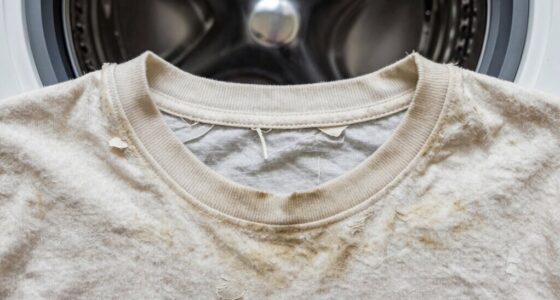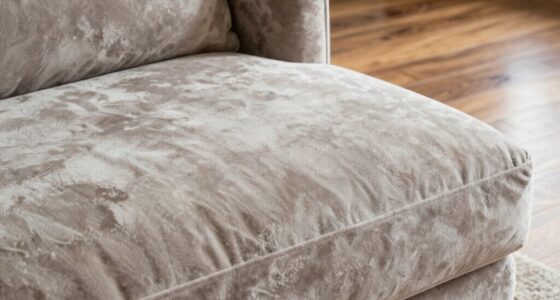
Using the wrong cleaners on stainless steel can cause damage that makes it look worse. Harsh chemicals like bleach, ammonia, or chlorides can break down the protective chromium oxide layer, exposing the metal to corrosion, discoloration, and dullness. Abrasive cleaners or scrubbing with steel wool can scratch the surface, trapping dirt and moisture that further harms the steel. Want to discover how to keep your stainless steel looking its best? Keep exploring to find out more.

Prime made for students and young adults
- Fast, free delivery for dorm and study essentials
- Prime Video and Amazon Music included
- Member-only deals
Key Takeaways
- Harsh or inappropriate cleaners can damage the chromium oxide protective layer, leading to dullness and discoloration.
- Abrasive cleaning methods scratch the surface, trapping dirt and creating a dull, uneven appearance.
- Chemical reactions from unsuitable cleaners accelerate corrosion, causing pitting and surface degradation.
- Residues from improper cleaning can trap moisture, promoting rust and further surface deterioration.
- Over time, repeated use of damaging cleaners weakens the steel, making it look worse and more prone to corrosion.
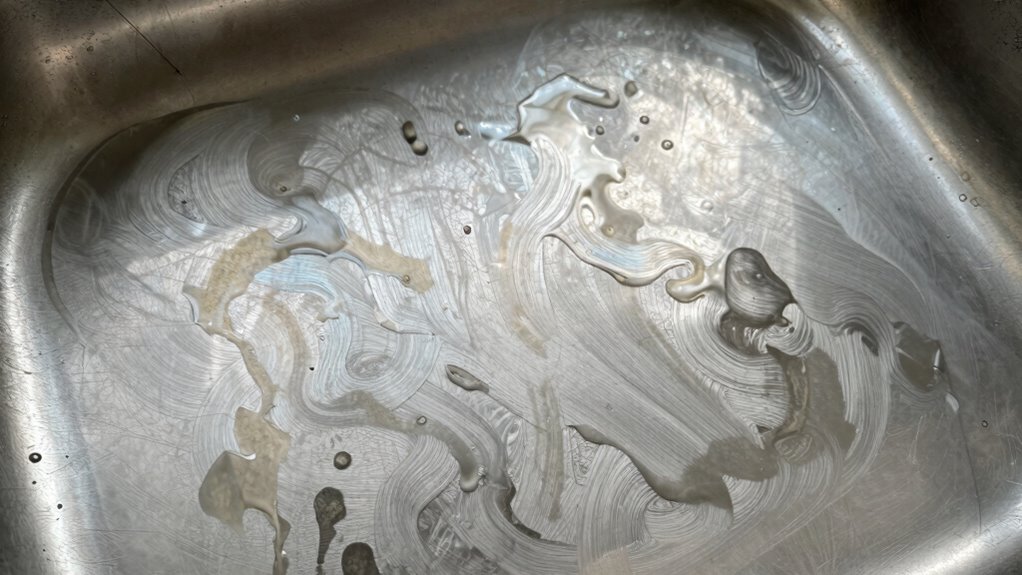
Many common cleaners can actually make your stainless steel surfaces look worse instead of better. When you use the wrong product, you’re risking chemical reactions that damage the metal’s surface. These reactions can strip away the protective layer, exposing the steel to environmental elements. Over time, this exposure leads to surface corrosion, which manifests as dullness, discoloration, or even pitting. Instead of shining, your stainless steel might develop a stubborn haze or spots that are tough to remove.
Using the wrong cleaners can damage stainless steel, causing dullness, discoloration, and corrosion over time.
Certain cleaners contain harsh chemicals like bleach, ammonia, or chlorides that are especially damaging. These substances react with the chromium oxide layer naturally present on stainless steel, causing it to break down. Once this protective film is compromised, the metal becomes vulnerable. The chemical reactions accelerate corrosion, especially if moisture is present afterward. This creates a cycle where the cleaner’s ingredients contribute to surface deterioration, making the finish look worse over time. Understanding metal surface reactions can help you better select cleaning products that won’t cause long-term damage. Additionally, improper cleaning techniques can exacerbate these issues, emphasizing the importance of gentle cleaning methods. Using proper cleaning techniques is essential for preventing damage and maintaining the integrity of the protective layer.
You might think that polishing with abrasives or steel wool will fix the discoloration, but that can make things worse. Abrasive cleaners often scratch the surface, creating tiny crevices where dirt and grime can settle. These scratches also weaken the steel’s surface, making it more prone to corrosion. Additionally, if you use a cleaner that leaves behind a residue or isn’t thoroughly rinsed, that buildup can trap moisture and promote surface corrosion. Over time, this leads to a dull, uneven appearance that’s difficult to restore. Proper cleaning techniques and choosing gentle products are essential for maintaining its appearance and longevity. Recognizing corrosion causes is key to preventing long-term damage and preserving its sleek finish. Regular maintenance, including gentle cleaning and proper drying, can significantly reduce the risk of surface deterioration.
To keep your stainless steel looking its best, it’s essential to choose the right cleaning products. Use gentle, pH-balanced cleaners specifically designed for stainless steel. These products help prevent unwanted chemical reactions that damage the surface. When cleaning, always wipe in the direction of the grain and avoid harsh scrubbing, which can scratch and weaken the surface. Rinsing thoroughly and drying afterward prevents moisture from lingering, reducing the risk of surface corrosion. Incorporating proper maintenance into your routine can significantly extend the lifespan of your stainless steel surfaces. Being mindful of the cleaning agents you choose and how you apply them will help preserve that shiny, durable finish for years to come.
In the end, understanding how chemical reactions damage stainless steel helps you avoid common mistakes. By respecting the material’s sensitivity and selecting appropriate cleaners, you can maintain its luster and strength. The goal is to clean without causing harm — preserving that sleek, shiny look for years to come. Remember, treating stainless steel gently and with the right products is your best defense against surface corrosion and unsightly damage. Being aware of surface corrosion and its causes can help you better care for your stainless steel surfaces over time. Proper knowledge and careful maintenance are key to keeping your surfaces looking pristine.
As an affiliate, we earn on qualifying purchases.
Frequently Asked Questions
Can Homemade Cleaners Damage Stainless Steel?
Homemade cleaners can damage stainless steel if they cause chemical reactions that lead to surface corrosion. Harsh ingredients like vinegar or lemon juice, when used excessively or left on the surface, can break down the protective layer, resulting in dull spots or discoloration. To avoid damage, use gentle, pH-balanced cleaners and always rinse thoroughly. Proper care helps maintain your stainless steel’s shine and prevents long-term surface corrosion.
How Often Should I Clean Stainless Steel Appliances?
You should clean your stainless steel appliances once a week to keep them shiny and protected. Over-cleaning can wear down surface scratches and damage protective coatings, making them look worse. Use gentle cleaners and a soft cloth to preserve their finish. Regular cleaning prevents dirt buildup, maintains their sleek appearance, and keeps surface scratches from becoming more noticeable, ensuring your appliances stay looking fresh and polished longer.
Are There Specific Brands of Cleaners Safer for Stainless Steel?
Yes, certain brands like Weiman, Magic Stainless, and Bar Keepers Friend are safer for stainless steel. These cleaners minimize harmful chemical reactions that can cause surface corrosion and dullness. You should avoid harsh, abrasive, or bleach-based products, as they can react negatively with the metal, leading to discoloration and damage. Always follow the manufacturer’s instructions to prevent chemical reactions that could worsen your stainless steel’s appearance.
Does Water Hardness Affect Stainless Steel Cleaning Outcomes?
Water mineralization can profoundly impact your stainless steel cleaning outcomes. Hard water, rich in minerals, can leave spots and streaks, reducing cleaning efficacy and dulling the finish. Conversely, soft water helps you achieve a streak-free shine. To keep your stainless steel looking its best, consider using softened water or a gentle, non-abrasive cleaner. This way, mineral deposits won’t mask its natural luster, allowing your efforts to truly shine.
Can Polishing Agents Improve the Appearance After Cleaner Damage?
Yes, polishing agents can improve your stainless steel’s appearance after cleaner damage. They help minimize surface scratches caused by improper cleaning and reduce the visibility of marks from chemical reactions. Use a gentle, non-abrasive polish specifically designed for stainless steel, and follow the manufacturer’s instructions. This will restore shine and smoothness, making your surface look newer and well-maintained, even after initial cleaning mishaps.
As an affiliate, we earn on qualifying purchases.
Conclusion
So, next time you grab that cleaner, remember: it might turn your shiny stainless steel into a dull, scratched mess worthy of a horror movie set. Don’t let your beautiful surfaces suffer the fate of a thousand tiny disasters—choose your cleaners wisely, or risk turning your sleek, gleaming appliances into a battlefield of chaos. Protect your investment and keep that mirror-like finish alive, because nobody wants their kitchen to look like a post-apocalyptic wasteland!
As an affiliate, we earn on qualifying purchases.
stainless steel surface protectant
As an affiliate, we earn on qualifying purchases.
As an affiliate, we earn on qualifying purchases.
Halloween Picks
halloween
As an affiliate, we earn on qualifying purchases.