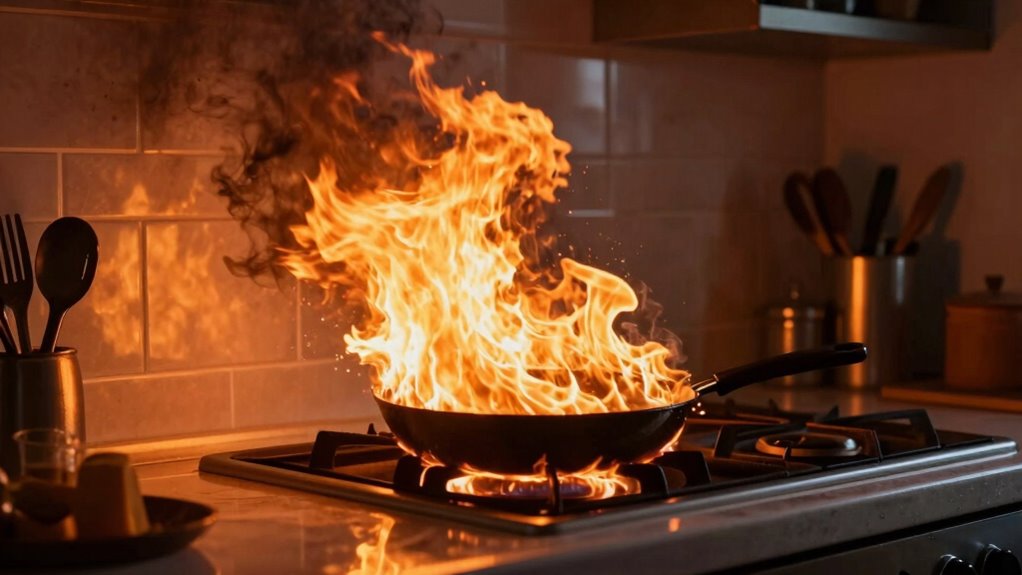

If you try to put water on a grease fire, it can cause a dangerous explosion. When water hits hot oil, it instantly boils, turning into steam and making the oil splatter rapidly. This sudden burst spreads flames and can cause the fire to flare up out of control. To prevent this, it’s essential to know the right way to handle a grease fire and avoid risky moves. Keep learning how to stay safe around kitchen flames.
Key Takeaways
- Pouring water on a grease fire causes rapid splattering and can make the fire explode or spread.
- Using water cools the oil rapidly, increasing vaporization and risk of a dangerous flare-up.
- Always smother the fire with a metal lid or baking soda; do not attempt to extinguish with water.
- Moving the pan or adding water can cause the burning oil to splash and ignite further.
- The one move that causes a grease fire to explode is trying to extinguish it with water.

Have you ever wondered what causes a small grease fire to quickly spiral out of control? It all begins with a simple mistake—leaving hot oil unattended or turning up the heat too high. When oil reaches its flash point, it can ignite suddenly, and if you don’t respond quickly, the fire can escalate rapidly. This is why fire prevention is essential in maintaining kitchen safety. By understanding how to prevent grease fires, you can protect yourself, your loved ones, and your home from disaster.
Kitchen safety starts with awareness of common hazards. Always stay attentive when cooking with oil, especially when frying, sautéing, or simmering. Keep flammable items like paper towels, dishcloths, and wooden utensils away from the stove. Use a thermometer to monitor oil temperature, avoiding overheating, which notably reduces the risk of ignition. Moreover, never leave cooking unattended—many grease fires ignite because someone walks away or gets distracted.
Stay attentive while cooking with oil and keep flammable items away to prevent grease fires.
In terms of fire prevention, it’s critical to have the right tools accessible. Keep a fire extinguisher nearby, specifically one rated for kitchen fires, such as a Class K or multipurpose ABC extinguisher. Having the right equipment makes all the difference when you need to act quickly. Also, know how to properly extinguish a grease fire; never use water, as it causes the oil to splatter and spread the flames. Instead, cover the pan with a metal lid or a cookie sheet to cut off the oxygen supply, smothering the fire safely. Baking soda can also help put out small fires, but never try to move the pan or carry it outside, which can cause the fire to spill and grow.
Practicing good kitchen safety involves more than just having safety gear on hand. Regularly cleaning your stovetop and oven prevents the buildup of grease, which can ignite easily. Keep the stovetop dry and free of clutter, and always turn off burners when you’re finished cooking. Installing a smoke alarm in your kitchen area is another critical safety measure, alerting you immediately if smoke or fire is detected.
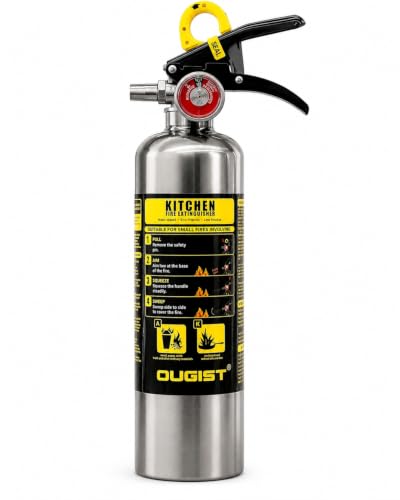
Ougist Class K Fire Extinguisher, Food Truck & Home Kitchen, 1-A:K, 1 Pack
PREPARE FOR THE UNEXPECTED: With an average of 158,000 to 178,000 cooking-related fires yearly in the US, preparation…
As an affiliate, we earn on qualifying purchases.
As an affiliate, we earn on qualifying purchases.
Frequently Asked Questions
Can Oil Fires Be Extinguished With Water Safely?
No, you shouldn’t use water to extinguish oil fires because it’s unsafe and can worsen the fire. Water safety is essential, and applying water causes the burning oil to splatter and spread, increasing the risk of injury. Instead, use proper fire extinguishing methods like a Class K fire extinguisher or smother the fire with a metal lid or baking soda. Always prioritize safety and call emergency services if needed.
What Kitchen Items Can Accidentally Cause Grease Fires?
You should be cautious with items like cooking oil, which can easily ignite and cause grease fires if overheated. Flammable liquids such as alcohol, cooking sprays, or greasy paper towels can also accidentally start fires. Avoid leaving unattended pans on the stove, and keep flammable items away from heat sources. Always use a lid or fire extinguisher designed for grease fires instead of water, which can make the fire worse.
How Quickly Do Grease Fires Typically Escalate?
Grease fires can escalate rapidly, often within seconds to a minute, especially if you don’t respond with proper fire suppression techniques. As the fire heats up, temperature escalation occurs quickly, making the flames grow larger. To prevent this, you should never use water. Instead, smother the flames with a metal lid or fire blanket to cut off oxygen, controlling the fire safely and effectively.
Are There Specific Types of Cookware More Prone to Fires?
You should be cautious with non-stick pans and gas stovetops, as they tend to be more prone to accidental flare-ups. Non-stick pans can overheat quickly, increasing fire risk, while gas stovetops provide an open flame that can ignite grease easily. To keep fires at bay, never leave these cookware types unattended, especially when heating oil or fats. Staying attentive helps prevent small sparks from turning into dangerous flames.
What Are the Signs a Grease Fire Is About to Ignite?
You’ll notice smoke or sizzling sounds when a grease fire is about to ignite, signaling a kitchen safety risk. If the oil starts to shimmer or emit a faint smell, it’s a warning sign to act quickly. To prevent fires, stay attentive and never leave hot oil unattended. Proper fire prevention means keeping a close eye on your cooking, especially when heating fats, and having a fire extinguisher nearby.

Kidde P3010K-CO Worry-Free Kitchen Photoelectric Smoke and Carbon Monoxide Alarm with 10 Year Sealed Battery
Sealed-in 10-year lithium battery
As an affiliate, we earn on qualifying purchases.
As an affiliate, we earn on qualifying purchases.
Conclusion
Remember, when dealing with grease fires, one wrong move can turn a small flame into a blazing monster. Always stay calm and act quickly—never use water, or you’ll feed the fire like gasoline on a spark. Instead, smother it with a lid or baking soda. Think of it as putting out a fire with a gentle hand, not a roaring shout. Stay cautious, stay safe, and keep your kitchen a flame-free zone.
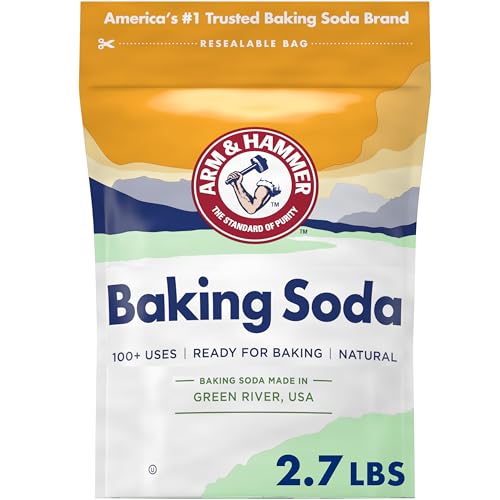
Arm and Hammer, Baking Soda, 43.2 Ounce
A HOUSEHOLD CLASSIC: This 2.7 lb resealable bag of ARM & HAMMER Baking Soda unlocks 100+ uses across…
As an affiliate, we earn on qualifying purchases.
As an affiliate, we earn on qualifying purchases.

Justrite 6 Gallon Galvanized Steel Oily Waste Can, 16" x 12" Metal Oil Rag Safety Can With Foot Operated Self-Closing Lid for Oil Rag Disposal, Made in the USA, Red, 09100
self-Closing Cover
As an affiliate, we earn on qualifying purchases.
As an affiliate, we earn on qualifying purchases.