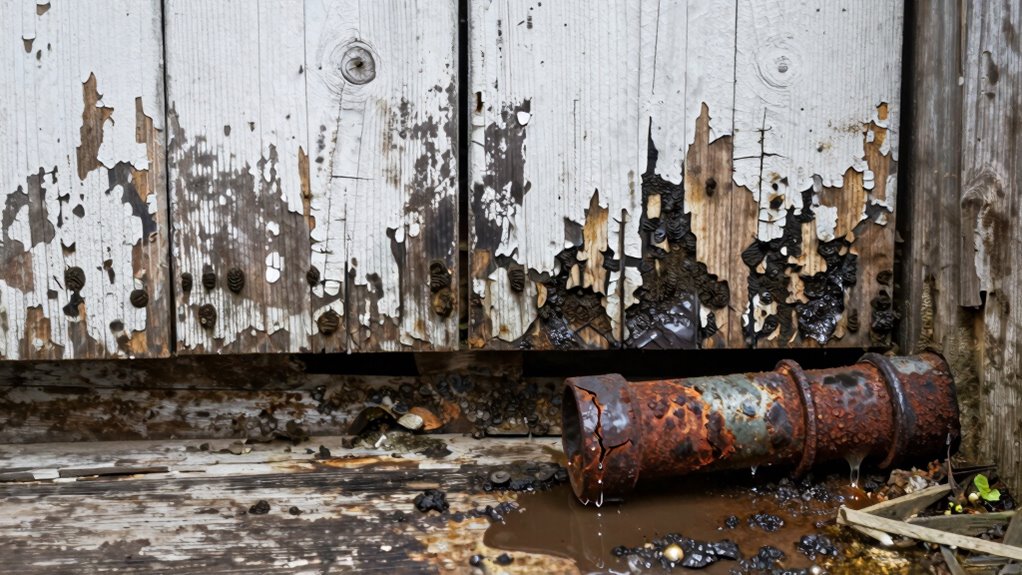

Mold isn’t the first problem when it comes to moisture issues; hidden leaks behind walls, ceilings, or floors often fuel mold growth before you notice any signs. These concealed sources cause ongoing moisture that can damage your home’s structure and indoor air quality. Poor ventilation and high humidity make things worse, allowing unseen problems to develop. Recognizing and addressing these hidden causes early can save you money and protect your health — there’s more to uncover that can help you safeguard your home.

Get school and study supplies delivered free — and shop member deals
- Fast, free delivery on millions of items
- Access to Prime Big Deal Days deals on October 6–7
- Prime Video, Amazon Music and more included
Key Takeaways
- Hidden water leaks behind walls often cause structural damage and mold, making moisture intrusion the primary concern.
- Excess moisture degrades indoor air quality, promoting mold, bacteria, and allergens that threaten health.
- Poor ventilation and high humidity levels facilitate mold growth and damage before visible mold appears.
- Structural moisture infiltration from foundation cracks or roof leaks can cause significant damage before mold detection.
- Addressing moisture and water intrusion early prevents mold development and costly repairs, making water issues the initial priority.
As an affiliate, we earn on qualifying purchases.
Hidden Water Leaks That Fuel Mold Growth

Hidden water leaks often go unnoticed because they are tucked away behind walls, under floors, or inside ceilings. These hidden leaks can cause persistent moisture problems that promote mold growth, even if you don’t see any water. Because leaks are concealed, they often remain undetected until significant damage occurs. Installing moisture sensors can help you identify these hidden leaks early. These sensors detect elevated moisture levels and alert you before mold spores start to develop. Regularly checking your plumbing and using moisture sensors can save you from costly repairs and health issues caused by mold. Being proactive in detecting hidden leaks ensures your home stays dry, safe, and mold-free, giving you peace of mind and protecting your investment. Additionally, integrating local automation with smart sensors can enable real-time monitoring and prompt alerts to further prevent damage. Incorporating proper ventilation and routine inspections can further reduce the risk of hidden leaks and subsequent mold growth. Implementing preventive maintenance strategies can also help catch potential issues before they escalate. Understanding the importance of moisture management can significantly improve your home’s resilience against unseen water damage.
home ventilation system with air quality monitor
As an affiliate, we earn on qualifying purchases.
As an affiliate, we earn on qualifying purchases.
The Importance of Proper Ventilation

Proper ventilation keeps your indoor air fresh and healthy, reducing the buildup of pollutants. It also helps prevent moisture from accumulating in your home, which can lead to mold and other issues. Ensuring good airflow is key to maintaining a safe and comfortable living environment. Regularly air exchange can further improve indoor air quality and prevent stagnation. Using ventilation systems designed for your space can optimize airflow and reduce risks associated with poor ventilation. Incorporating air quality monitoring devices can help you identify and address ventilation problems promptly, especially since proper ventilation practices are essential for a healthy home environment. Implementing these strategies can also contribute to a more calm and organized home by reducing environmental stressors.
Ventilation and Air Quality
Good ventilation is essential for maintaining healthy indoor air quality, especially when moisture issues like mold are present. Proper airflow helps remove pollutants and stale air, reducing the risk of mold growth. Incorporating air filtration and air purification systems enhances this process, trapping airborne particles and allergens. To understand ventilation better, consider this table:
| Ventilation Method | Benefits | Key Features |
|---|---|---|
| Natural Ventilation | Cost-effective, energy-efficient | Windows, vents |
| Mechanical Ventilation | Consistent airflow | Fans, HVAC systems |
| Air Purifiers | Remove airborne contaminants | HEPA filters |
| Exhaust Fans | Reduce humidity | Kitchen, bathroom fans |
Additionally, understanding the air exchange rate can help optimize ventilation effectiveness and prevent moisture buildup. Properly calculated air exchange rates are crucial to maintaining optimal indoor air quality, especially in environments prone to moisture issues. Ensuring adequate air circulation is vital for reducing indoor humidity levels and avoiding conditions conducive to mold growth. Regularly monitoring humidity levels can further assist in maintaining a healthy indoor environment and preventing mold development. Being aware of ventilation standards can also guide effective system design and operation.
Preventing Moisture Accumulation
Effective ventilation plays a key role in preventing moisture buildup indoors. Proper airflow helps reduce humidity levels, lowering the risk of mold growth. To optimize moisture control, consider these steps:
- Place dehumidifiers strategically in high-humidity areas for maximum efficiency.
- Use mold-resistant materials in bathrooms, kitchens, and basements to minimize mold risk.
- Ensure vents and exhaust fans are functioning correctly and run them during activities that produce moisture.
- Regularly open windows or use air purifiers to improve air circulation.
- Incorporate energy-efficient ventilation systems to enhance airflow while minimizing energy consumption.
As an affiliate, we earn on qualifying purchases.
Identifying Structural Moisture Intrusions

To spot structural moisture intrusions early, you need to pay close attention to signs that aren’t always obvious. Look for foundation cracks, especially ones that appear suddenly or worsen over time, as they can allow water to seep in. Roof leaks are another critical indicator; even small drips or stains on ceilings and walls can signal deeper issues. Check for damp spots, peeling paint, or warped wood inside your home, which may result from hidden moisture intrusion. Outside, examine the siding and gutters for damage or blockages that could cause water to spill and penetrate your foundation. Recognizing these signs early can help you address moisture problems before they escalate, protecting your home’s structure and preventing costly repairs down the line. Understanding proper moisture management is essential to prevent long-term damage and maintain a safe, stable home environment. Additionally, being aware of insufficient drainage around your property can significantly reduce water infiltration risks, since effective drainage systems help direct water away from vulnerable areas. Proper water diversion techniques are crucial in maintaining the integrity of your foundation and avoiding persistent moisture issues.
As an affiliate, we earn on qualifying purchases.
The Role of Humidity Levels in Home Health

Maintaining the right humidity level is essential for a healthy home environment. Too much moisture can lead to mold growth and other issues, while too little can cause discomfort and health problems. Managing indoor humidity effectively helps protect both your home and your well-being. Using a humidifier or dehumidifier can help regulate moisture levels and prevent problems associated with improper humidity.
Ideal Humidity Range
Keeping your home’s humidity levels within the ideal range is essential for your health and comfort. Aim for a humidity level between 30% and 50%. To maintain this, consider these steps:
- Regularly check your hygrometer to monitor moisture levels.
- Perform humidifier maintenance to prevent mold and bacteria buildup.
- Use a dehumidifier selection that fits your space and needs to reduce excess moisture.
- Adjust your devices based on seasonal changes to keep humidity stable.
- Be aware of potential mold growth when humidity levels are too high, which can impact respiratory health.
- Ensuring proper airflow around your humidifier and dehumidifier units can enhance their effectiveness and prevent excess moisture buildup.
Balancing humidity prevents mold growth and respiratory issues. Proper humidifier maintenance ensures your units operate efficiently. Choosing the right dehumidifier helps control moisture without over-drying the air. Staying within this range promotes a healthier, more comfortable home environment year-round.
Effects of Excess Moisture
When humidity levels rise above the recommended 30% to 50%, excess moisture begins to accumulate in your home, creating an environment that encourages mold growth, dust mites, and bacteria. This excess moisture can considerably degrade your air quality, making it harder to breathe and potentially triggering allergies or respiratory issues. High humidity promotes the proliferation of allergens and pathogens, putting your health at risk. Effective moisture control becomes essential to prevent these problems. Without proper regulation, moisture can seep into walls, ceilings, and furnishings, fostering mold and bacteria that are invisible but harmful. Monitoring AI-powered tools can help you identify and manage moisture levels more accurately. Keeping humidity levels within the recommended range supports mold prevention and overall indoor health. Maintaining balanced humidity levels helps preserve your indoor air quality and reduces the likelihood of health issues caused by excess moisture. Proper moisture control is a crucial step in creating a healthier, safer home environment. Regularly checking humidity levels can help you catch problems early before they cause significant damage or health concerns.
Managing Indoor Humidity
Controlling indoor humidity is essential because it directly influences your home’s air quality and your health. Maintaining ideal humidity levels—around 30-50%—helps prevent mold, dust mites, and respiratory issues. To manage humidity effectively, consider these tips:
- Use a hygrometer to monitor indoor moisture levels.
- Incorporate indoor plants that naturally absorb excess humidity.
- Schedule regular HVAC maintenance to ensure systems are dehumidifying properly.
- Use exhaust fans in bathrooms and kitchens to vent moisture outside.
Keeping humidity balanced not only reduces mold risks but also enhances comfort and indoor air quality. Proper management creates a healthier environment for you and your family, especially during humid months.
Common Sources of Excess Moisture

Excess moisture often enters your home through everyday activities and environmental factors that go unnoticed. Basement flooding is a common culprit, especially after heavy rains or if your sump pump fails. It introduces large amounts of water that can seep into walls and floors, creating ideal conditions for mold. Appliance leaks are another frequent source; a leaking dishwasher, refrigerator, or washing machine can drip quietly, allowing moisture to accumulate over time. These leaks often go unnoticed until they cause damage or mold growth. Additionally, indoor activities like cooking, showering, and drying clothes add humidity, but malfunctions or poor ventilation can trap this moisture indoors. Recognizing these sources helps you identify and address potential problem areas before mold becomes a serious issue.
The Impact of Poor Drainage and Gutter Systems

Poor drainage and gutter systems can considerably contribute to moisture problems inside your home. When stormwater isn’t properly managed, it can seep into foundations, walls, and basements, leading to mold and structural damage. Gutter maintenance is essential to prevent blockages that cause overflows, directing water away from your home’s foundation.
Consider these factors:
- Ineffective stormwater management increases water exposure to your home’s base.
- Clogged gutters cause water to spill over, pooling around the foundation.
- Poorly maintained gutters allow debris buildup, reducing flow efficiency.
- Improper drainage design directs water toward your home instead of away from it.
Addressing these issues helps protect your home from moisture intrusion and minimizes the risk of costly repairs.
Signs of Underlying Water Damage

Often, water damage lurks beneath the surface, showing few obvious signs until it’s advanced enough to cause significant issues. One key indicator is basement flooding, which suggests persistent moisture intrusion that can weaken structures and promote mold growth. You might also notice window condensation that persists beyond normal humidity levels, signaling excess moisture nearby. Other signs include peeling paint, warped flooring, or musty odors that don’t go away. Keep an eye out for water stains on walls or ceilings, as these often point to leaks or seepage. If you detect any of these signs, it’s vital to address the underlying water issues promptly to prevent further damage and costly repairs. Recognizing these early warning signs can save you time and money.
Preventative Measures to Safeguard Your Home

To effectively protect your home from water damage, implementing preventative measures is essential. Start with proper home insulation to prevent pipes from freezing and leaking during cold weather. Regularly inspect and maintain your sump pump to ensure it activates when needed, especially during heavy rains. Keep gutters clear of debris to prevent water from overflowing and seeping into your foundation. Finally, check your basement and crawl spaces for any signs of moisture or leaks, addressing issues immediately. These simple steps can markedly reduce the risk of water intrusion, mold growth, and structural damage. Prioritizing home insulation and sump pump maintenance creates a strong barrier against water-related problems, saving you time and money in the long run.
Frequently Asked Questions
How Can I Detect Hidden Water Leaks Early?
To detect hidden water leaks early, you should install water sensors in vulnerable spots like under sinks or near appliances. These leak detection devices alert you immediately if water is present, preventing damage. Regularly check for unexplained dampness, increased water bills, or mold growth. By staying vigilant and using leak detection tools, you catch leaks early, saving money and avoiding bigger problems down the road.
What Are the Best Ways to Improve Home Ventilation?
Breathing new life into your home starts with better air flow. To improve ventilation, open windows regularly to let fresh air in and use exhaust fans in kitchens and bathrooms. Upgrading your ventilation systems, like installing air exchangers or high-quality ceiling fans, can also make a big difference. These steps help circulate air, reduce humidity, and keep your home feeling fresh and healthy. Don’t let stale air drag you down!
How Does Insulation Affect Mold Growth?
Insulation impacts mold growth by controlling temperature and humidity. Proper insulation, especially with moisture barriers, prevents condensation that fosters mold. Using the right insulation types, like spray foam or fiberglass with vapor retarders, reduces moisture buildup. You should guarantee insulation is installed correctly and complemented by ventilation to keep indoor air dry. This combination helps prevent mold by minimizing excess moisture and maintaining consistent temperatures.
Can Plants Inside the Home Contribute to Moisture Problems?
Like a garden in the wild west, your indoor environment can get unruly. Yes, potted plants can contribute to moisture problems by increasing indoor humidity. When you overwater them or keep them in poorly ventilated areas, the excess moisture creates a perfect storm for mold growth. To keep things in check, guarantee proper ventilation and avoid overwatering, especially if you notice increased humidity levels around your indoor greenery.
What Professional Services Are Available for Hidden Moisture Issues?
You can turn to professional home inspectors or mold remediation experts to identify hidden moisture issues. They use advanced tools to assess air quality and detect excess moisture that isn’t visible. These specialists also recommend moisture barriers and ventilation improvements to prevent future problems. Trust their expertise to thoroughly evaluate your home, improve air quality, and establish effective moisture control measures, ensuring a healthier living environment.
Conclusion
But the real threat isn’t just mold—it’s what lurks behind the scenes, silently feeding on hidden water leaks and moisture. If you overlook these subtle signs, you might face costly damage and health risks that could’ve been prevented. Stay vigilant, check your home regularly, and act now before the unseen problem turns into a disaster. The question is: are you prepared to uncover the hidden dangers before it’s too late?
Fall Picks
fall essentials
As an affiliate, we earn on qualifying purchases.