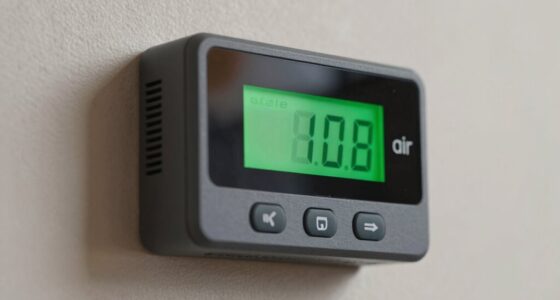
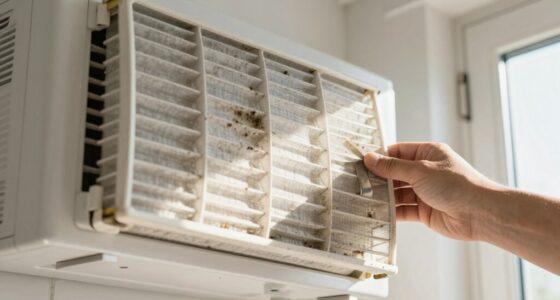
Mold prevention starts with keeping your indoor temperature between 60°F and 75°F. This range helps inhibit mold spores from thriving. Along with temperature, controlling humidity below 60% and ensuring proper airflow are key. Regular HVAC maintenance, insulation, and ventilation keep moisture levels low and prevent damp spots. Focus on maintaining a stable environment, and you’ll considerably reduce mold risks. Keep going to discover more simple tips to keep your home mold-free.
Key Takeaways
- Maintain indoor temperatures between 60°F and 75°F to inhibit mold growth.
- Keep humidity levels below 60%, ideally around 50%, for optimal mold prevention.
- Use proper insulation and HVAC maintenance to ensure consistent, stable indoor temperatures.
- Enhance airflow and ventilation to prevent damp spots that promote mold.
- Address leaks and moisture sources promptly, as temperature control alone isn’t sufficient.

TABYIK 35 OZ Dehumidifier for Bedroom RV, Quiet with Auto Shut Off, White
High Efficient Dehumidifiers for Home: Still annoyed about the muggy weather? Just Take it easy! have a try…
As an affiliate, we earn on qualifying purchases.
As an affiliate, we earn on qualifying purchases.
Why Maintaining Proper Temperature Is Key to Mold Prevention

Maintaining the right temperature is essential in preventing mold growth because mold thrives in warm, damp, and humid environments. When temperatures are too high or too low, mold finds it harder to grow. To keep mold at bay, focus on humidity control by using dehumidifiers or air conditioners to reduce excess moisture. Improving ventilation is also critical; it helps circulate air, prevents damp spots, and lowers humidity levels. Proper airflow discourages mold spores from settling and multiplying. Additionally, monitoring indoor temperature levels can help detect conditions conducive to mold development before they become problematic. By managing both temperature and humidity through ventilation improvement strategies, you create an environment that’s less hospitable for mold. Staying vigilant about these factors ensures your space remains dry, safe, and mold-free.

Sensi Smart Thermostat, Wi-Fi, DIY, Alexa, Energy Star Certified, ST55
PRIVACY PROTECTION*: Sensi won’t sell your personal information to third parties
As an affiliate, we earn on qualifying purchases.
As an affiliate, we earn on qualifying purchases.
Find Out the Best Temperature Range to Stop Mold Growth
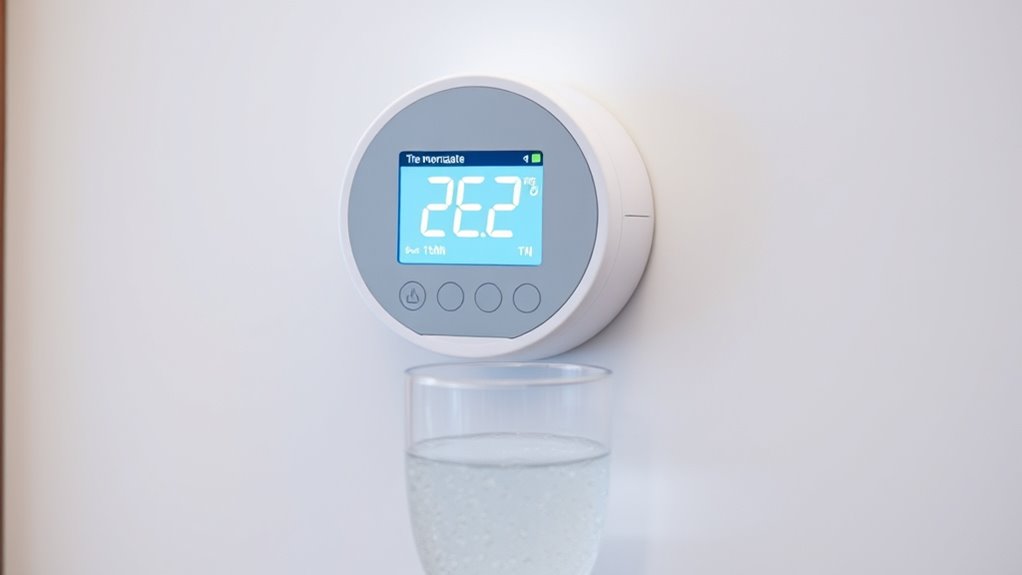
To prevent mold growth effectively, you need to keep the temperature within the ideal range, which is generally between 60°F and 75°F. Maintaining this range helps inhibit mold spores from thriving. Humidity control is equally important; keep indoor humidity below 60%, ideally around 50%, to prevent moisture buildup. Proper air circulation also plays a vital role—by regularly ventilating your space, you reduce stagnant air that can trap moisture. Using fans or opening windows helps move air and dry out damp areas. Consistently monitoring temperature and humidity levels ensures mold doesn’t find a suitable environment to grow. Remember, keeping your indoor climate within this optimal range, along with good air circulation, is key to mold prevention. Maximize Your Truck Bed’s Potential for Every Adventure
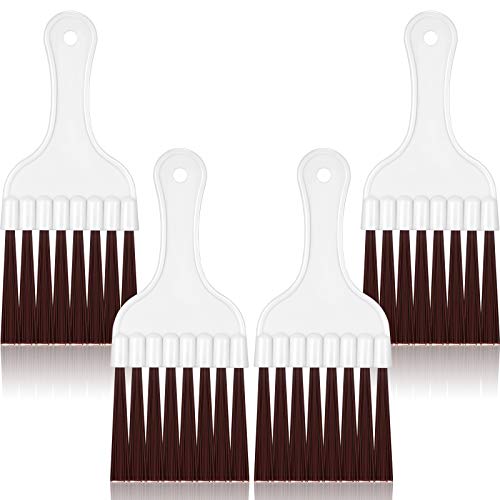
Boao 4 Packs Coil Brush Air Conditioner Condenser Refrigerator Cleaning HVAC Coil Cleaner Small Plastic Whisk Brush (Brown)
Package Includes: 4 packs air conditioner condenser cleaning brush in package, you can use them to clean different…
As an affiliate, we earn on qualifying purchases.
As an affiliate, we earn on qualifying purchases.
Learn How to Keep Indoor Temperatures Stable and Consistent

Keeping indoor temperatures stable and consistent is key to preventing mold growth. To achieve this, prioritize regular HVAC maintenance to ensure your system runs efficiently and maintains a steady temperature. Proper HVAC upkeep prevents humidity fluctuations that create mold-friendly environments. Additionally, use effective insulation techniques to regulate indoor heat levels, reducing temperature swings between rooms and seasons. Insulation helps keep the air warmer in winter and cooler in summer, making your climate control more reliable. Furthermore, understanding the evolving language of the internet can help you stay informed about new smart home technologies that enhance climate control. By combining consistent HVAC maintenance with quality insulation, you create a stable indoor environment that discourages mold development. Staying vigilant about temperature stability minimizes moisture buildup and keeps your home healthier and mold-free.

Honeywell TurboForce Air Circulator, Small Tabletop Fan, Quiet Personal Fan for Home or Office, 3 Speeds, 90 Degree Pivoting Head, Black, HT900
Small floor or tabletop fan: Honeywell TurboForce Air Circulator Fan is a cooling fan that is 25% quieter…
As an affiliate, we earn on qualifying purchases.
As an affiliate, we earn on qualifying purchases.
Discover Other Simple Ways to Prevent Mold
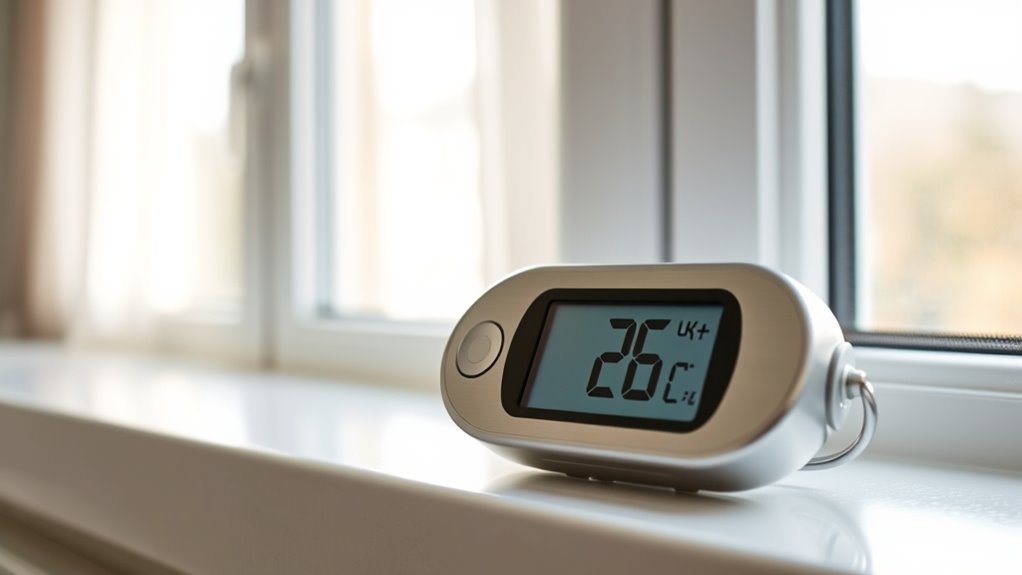
Besides controlling temperature and humidity, there are simple, effective ways to prevent mold from taking hold in your home. Focus on humidity control by keeping indoor levels below 60%. Proper ventilation is key—use exhaust fans in bathrooms and kitchens, and open windows when weather permits. Regularly check for leaks and dry wet areas promptly to avoid moisture buildup. Implementing airflow management techniques can further reduce mold risk by ensuring proper circulation throughout your space.
Avoid These Common Mistakes That Lead to Mold Despite Temperature Control
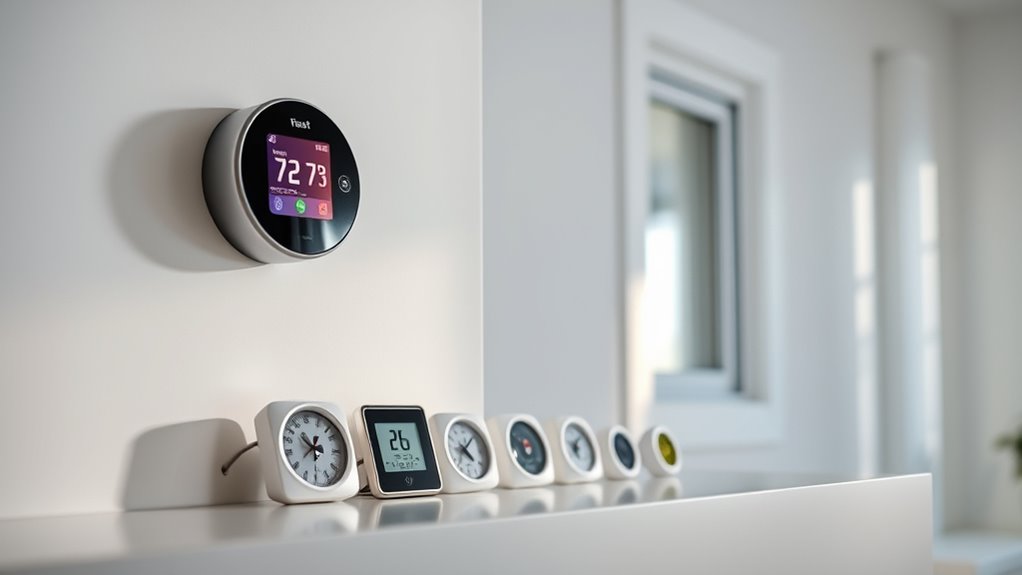
Even if you manage to control the temperature and humidity in your home, certain mistakes can still allow mold to develop. One common error is neglecting proper humidity control, which lets moisture linger in hidden areas. Overlooking ventilation strategies, such as failing to exhaust humid air from bathrooms and kitchens, can also create damp spots ideal for mold growth. Avoid blocking vents or sealing windows without proper airflow, as this traps moisture indoors. Additionally, ignoring leaks or water damage can lead to persistent dampness, even with good temperature regulation. Regularly inspecting and maintaining your home’s ventilation systems ensures moisture escapes efficiently. Remember, controlling temperature alone isn’t enough—effective humidity control and ventilation strategies are vital to preventing mold, despite your best efforts. Proper ventilation techniques are essential for maintaining indoor air quality and preventing mold buildup.
Frequently Asked Questions
How Does Humidity Affect Mold Growth Compared to Temperature?
Humidity levels have a bigger impact on mold growth than temperature alone. When humidity stays high, moisture control becomes harder, creating the perfect environment for mold to thrive. You should aim to keep humidity below 60%, ideally around 30-50%. By managing moisture levels effectively, you reduce mold risk. Temperature still matters, but controlling humidity levels is your best defense against mold and maintaining a healthy space.
Can Mold Develop in Temperatures Below Freezing?
Mold development generally slows down at temperatures below freezing, but it can still occur if conditions are right. Temperature thresholds vary, and some mold spores may survive in frozen environments. If moisture is present, mold can develop once temperatures rise above freezing. So, even in cold temperatures, mold can develop if there’s enough humidity and organic material, making it important to control moisture levels year-round.
What Role Do Air Circulation and Ventilation Play in Mold Prevention?
Did you know that proper air circulation can reduce indoor mold growth by up to 70%? Air exchange and ventilation are vital because they help maintain a moisture balance, preventing damp conditions mold thrives in. By consistently promoting airflow, you remove excess humidity and reduce stagnant spots where mold spores settle. Keep vents open, use fans, and guarantee good air circulation to protect your home from mold development effectively.
Are There Specific Materials More Susceptible to Mold at Certain Temperatures?
Certain materials are more susceptible to mold at specific temperature thresholds. For example, organic materials like wood and paper become highly vulnerable when temperatures stay between 70-80°F, as mold thrives in this range. On the other hand, non-porous materials like plastic or metal are less susceptible across various temperatures. You should monitor material susceptibility and maintain proper temperature thresholds to prevent mold growth effectively.
How Quickly Can Mold Start Growing After Temperature Fluctuations?
Mold can materialize within 24 to 48 hours after temperature fluctuations breach thresholds, triggering mold incubation. When temperatures teeter into the tolerable range—usually between 77°F and 86°F—mold growth might start swiftly. You should monitor moisture and temperature consistently, because rapid changes can accelerate mold’s onset. Staying vigilant and maintaining stable temperatures help inhibit mold’s malicious march, minimizing moisture’s mold-friendly environment and curtailing its creeping growth.
Conclusion
By keeping your indoor temperature steady, you’re building a fortress against mold, like a shield protecting your home. Remember, a simple temperature rule can make all the difference—don’t let mold sneak in like an uninvited guest. Stay vigilant, avoid common mistakes, and maintain consistent warmth and dryness. With these easy steps, you’ll turn your home into a mold-free haven, where moisture doesn’t stand a chance to take hold.