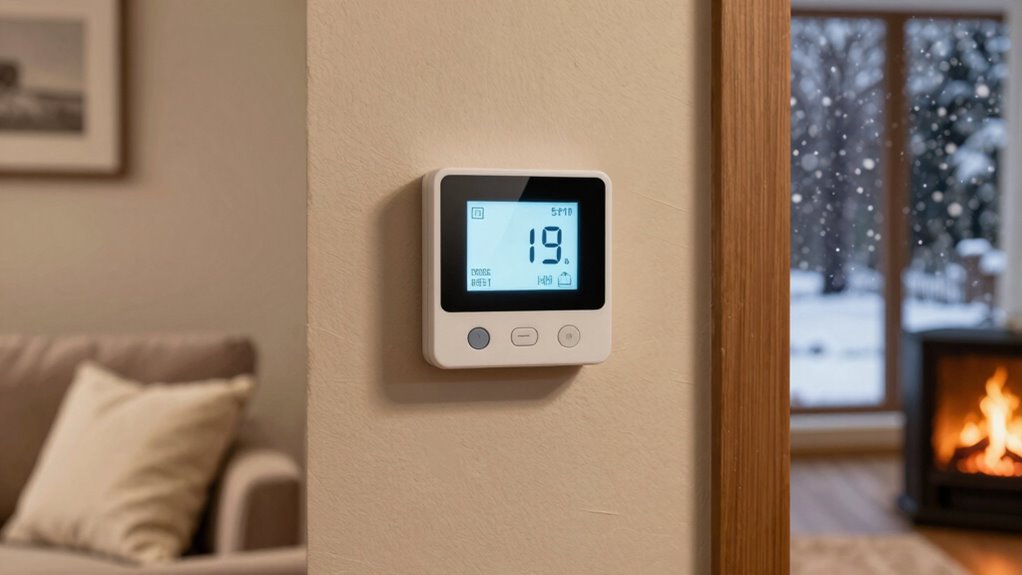

Most thermostats struggle to get seasonal adjustments right, especially during spring and fall. They often keep a static setting that doesn’t change with fluctuating temperatures, causing unnecessary cycling and discomfort. Without proper seasonal programming, your system might run more than needed, wasting energy and shortening its lifespan. If you want to learn how to optimize your thermostat for better comfort and savings, keep exploring for helpful tips and solutions.

Prime made for students and young adults
- Fast, free delivery for dorm and study essentials
- Prime Video and Amazon Music included
- Member-only deals
Key Takeaways
- Many thermostats lack automated seasonal adjustments, leading to improper heating or cooling responses.
- Static temperature settings during transitional seasons cause comfort issues and energy waste.
- Thermostats often ignore the need for dynamic changes as outdoor temperatures fluctuate.
- Poor seasonal programming results in increased system cycling and higher utility bills.
- Modern thermostats with adaptive controls improve efficiency by automatically adjusting for seasonal changes.
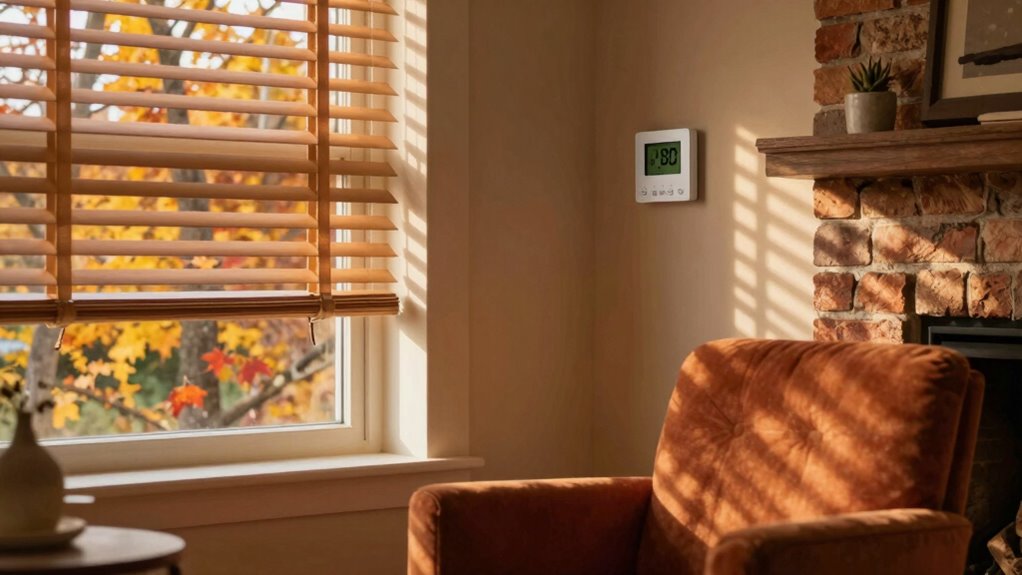
Many thermostats fail to adapt properly to changing seasons, leaving you uncomfortable and wasting energy. This common oversight can cause your heating and cooling systems to run inefficiently, driving up energy bills and reducing overall user comfort. This core issue often lies in how thermostats handle seasonal settings, especially during the interim months when temperatures fluctuate unpredictably. When the thermostat isn’t set correctly for the season, you might find yourself shivering in winter or sweating through summer, even though your system is functioning perfectly. Proper seasonal adjustment isn’t just about comfort—it’s about optimizing energy efficiency, ensuring your system isn’t working harder than it needs to. Additionally, seasonal programming features in modern thermostats can automatically make these adjustments for you, further enhancing efficiency and comfort. Recognizing seasonal energy savings opportunities can significantly impact your overall utility costs.
Many thermostats don’t adapt to seasonal changes, causing discomfort and energy waste.
During fall and spring, many people rely on static temperature settings that work neither efficiently nor comfortably. You might set your thermostat to a certain temperature at the start of the season and forget about it. But as temperatures swing, your system may struggle to maintain the desired comfort levels, either overcompensating or underperforming. This leads to unnecessary energy consumption, as your HVAC system cycles on and off more frequently than necessary, wasting power and increasing wear and tear. Implementing adaptive temperature controls can help your system respond more intelligently to these fluctuations. The key is for your thermostat to intelligently adjust its settings based on the season, optimizing energy use while keeping your environment comfortable.
smart thermostat with seasonal adjustment
As an affiliate, we earn on qualifying purchases.
As an affiliate, we earn on qualifying purchases.
Frequently Asked Questions
How Do Smart Thermostats Improve Seasonal Temperature Control?
Smart thermostats improve seasonal temperature control by adjusting settings automatically based on your preferences and habits, boosting energy efficiency. You don’t need to manually change the temperature, which saves you time and effort. They learn your schedule, optimize heating and cooling, and can be controlled remotely, offering user convenience. As a result, you stay comfortable year-round while reducing energy waste and lowering utility bills.
What Are Common Mistakes in Setting Thermostats for Different Seasons?
You might unknowingly sabotage your energy conservation efforts by setting your thermostat incorrectly for the seasons. Common mistakes include overcooling or overheating, which leads to higher energy bills and less comfort. Don’t forget, adjusting your thermostat too late or ignoring the ideal seasonal settings wastes both energy and cost savings. To get it right, fine-tune your settings early, and you’ll enjoy consistent comfort and smarter energy use all year round.
How Does Outdoor Weather Affect Thermostat Accuracy?
Outdoor weather affects thermostat accuracy because humidity fluctuations and solar gain can trick your system. When humidity rises, your thermostat might misinterpret the need for cooling, leading to inefficient operation. Solar gain from direct sunlight can cause indoor temperatures to spike, making your thermostat think it’s warmer than it actually is. To improve accuracy, consider shading your thermostat and adjusting settings based on outdoor conditions.
Can Regular Maintenance Enhance Thermostat Seasonal Performance?
Regular maintenance can definitely enhance your thermostat’s seasonal performance, boosting energy efficiency and user comfort. By cleaning or replacing filters, checking batteries, and calibrating the device, you guarantee it responds accurately to temperature changes. This proactive approach helps prevent unnecessary energy use, keeps your home consistently comfortable, and extends your thermostat’s lifespan. Regular tune-ups are a smart step to optimize your system’s performance year-round.
Are There Specific Settings for Transitional Seasons Like Spring and Fall?
Yes, there are specific settings for changeover seasons like spring and fall. You should adjust your thermostat to account for indoor humidity and solar gain, which vary during these periods. Lower your cooling settings as outdoor temperatures rise but indoor humidity stays manageable. Use the fan mode to circulate air, and consider shading windows to reduce solar gain. These tweaks help maintain comfort and efficiency during seasonal changes.
programmable thermostat for energy savings
As an affiliate, we earn on qualifying purchases.
As an affiliate, we earn on qualifying purchases.
Conclusion
So, here’s the irony: despite all the fancy features and endless settings, most thermostats still miss the mark when it comes to seasonal comfort. You might think technology would make things easier, but instead, it often complicates your cozy haven. The truth is, sometimes the simplest solution—manual adjustments—beats the most sophisticated automation. Maybe it’s time to embrace the old-school approach and take control, rather than rely on a thermostat that’s “most likely” never quite right.
As an affiliate, we earn on qualifying purchases.
As an affiliate, we earn on qualifying purchases.
Fall Picks
fall essentials
As an affiliate, we earn on qualifying purchases.