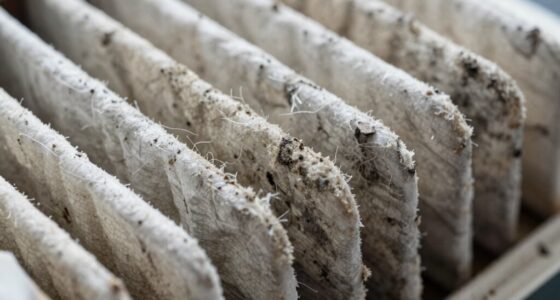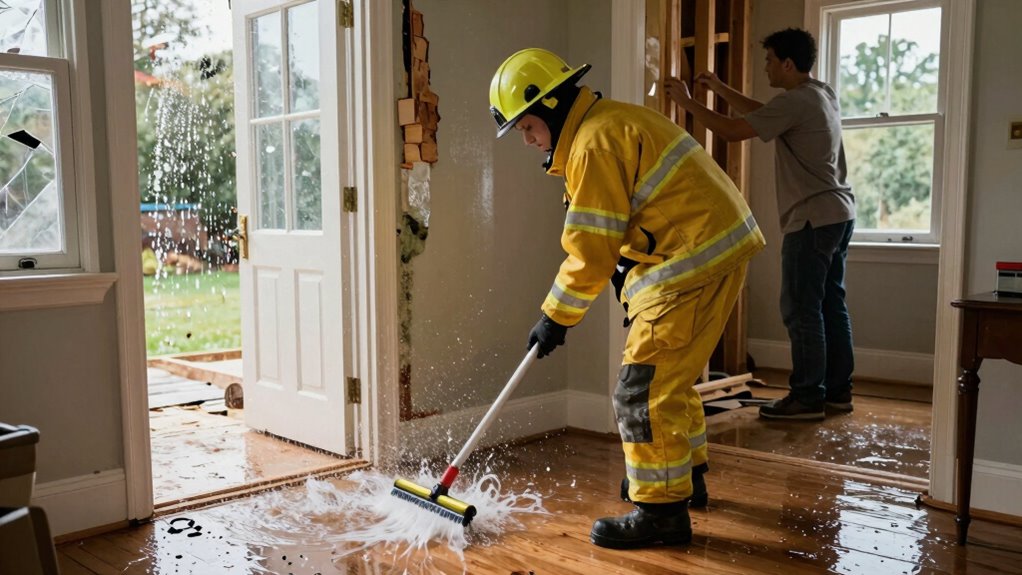
Within the first hour after a flood, turn off the main power to avoid electrical risks and wear protective gear. Act quickly to remove standing water using pumps, vacuums, or mops, focusing on porous materials like carpets and drywall. Increase airflow by opening windows, deploying fans, and using dehumidifiers to accelerate drying. Properly cleaning and discarding saturated items minimizes mold spores. Staying proactive early on is key—continue to explore essential steps for long-term mold prevention and property safety.
Open a free Amazon Business account
Business pricing, bulk buying and tax-exempt orders.
As an affiliate, we earn on qualifying purchases.
Key Takeaways
- Turn off the main power to prevent electrical hazards during water removal.
- Remove standing water promptly using pumps or vacuums to reduce mold spore settling.
- Wear protective gear like gloves, masks, and waterproof boots to ensure safety.
- Focus on quickly drying affected areas with fans and dehumidifiers within 24-48 hours.
- Discard saturated porous materials such as drywall and insulation to prevent mold growth.
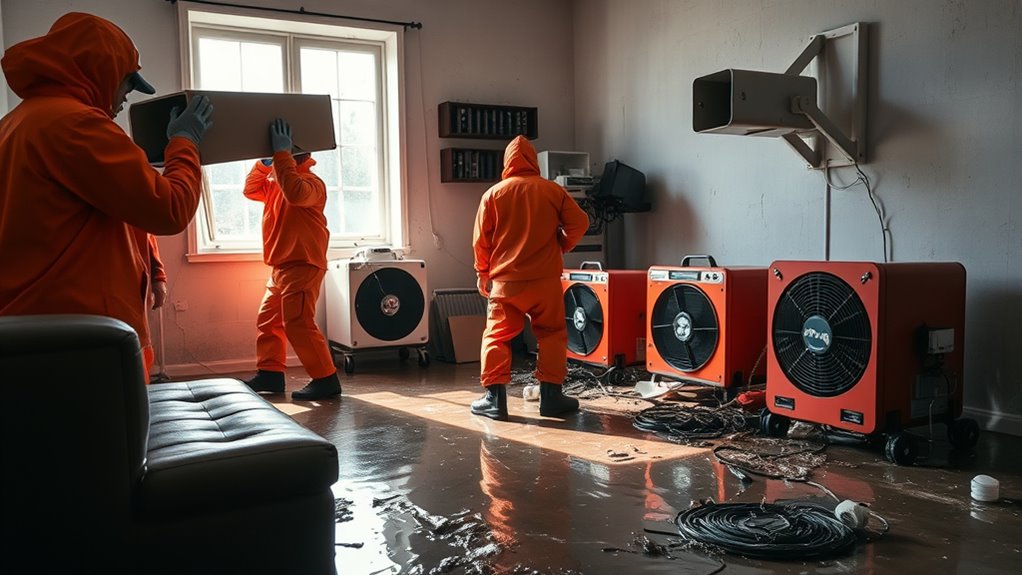
When floods strike, a swift and organized response can save lives and minimize damage. The first hour after floodwaters recede is vital. During this window, your actions can make a significant difference in preventing long-term issues like mold growth and extensive property damage. The key is to focus on water cleanup efficiently and effectively, ensuring you remove as much water as possible while also taking steps to prevent mold from taking hold.
Start by evaluating the situation carefully. Turn off the main power supply to avoid electrical hazards, and wear protective gear such as gloves, masks, and waterproof boots. Remove any standing water promptly, using pumps, wet/dry vacuums, or mops. The faster you extract water, the less chance there is for mold spores to settle and thrive. Remember, water can seep into walls, floors, and furniture, so be thorough. Extracting water from porous materials like carpets and upholstery is essential; often, these items need to be discarded if they’re saturated, as they can harbor mold even after drying.
Turn off power, wear protective gear, and remove standing water promptly to prevent mold growth and property damage.
Once the bulk of the water is removed, focus on thorough drying and ventilation. Use fans, dehumidifiers, and open windows to increase airflow and reduce humidity levels. Mold thrives in moist environments, often within 24 to 48 hours, so rapid drying is your best defense. Pay special attention to hidden areas—behind drywall, under floorboards, and inside cabinets—because mold can grow unnoticed in these spaces. It’s essential to keep the affected areas well-ventilated and dry to prevent mold spores from settling and proliferating. Proper drying techniques and controlling humidity are crucial components of effective mold prevention.
Cleaning and disinfecting surfaces is the next step. Use appropriate cleaning agents that can kill mold spores, such as a mixture of water and bleach or commercial mold cleaners. Scrub thoroughly to remove any residue and mold spores that may be present on surfaces. Properly disposing of contaminated materials, like soggy drywall or insulation, reduces the risk of mold growth later on. Remember, the goal is to eliminate all sources of moisture and mold spores, so don’t overlook the importance of proper disposal.
Prevention is ongoing. Once the initial cleanup is complete, monitor humidity levels and continue to ventilate the space. Applying mold-resistant paints or sealants to vulnerable surfaces can provide extra protection. Regular checks for dampness or leaks will help you catch potential issues before they turn into mold problems. Acting quickly in the first hour after flooding can drastically reduce the risk of mold, saving you time, money, and health issues down the line. Your prompt response in water cleanup and mold prevention efforts is essential to safeguarding your property and health.
water pump for flood water removal
As an affiliate, we earn on qualifying purchases.
As an affiliate, we earn on qualifying purchases.
Frequently Asked Questions
How Can I Identify Hidden Water Damage After a Flood?
To identify hidden water damage after a flood, you should use inspection tools like moisture meters and infrared cameras to detect water intrusion behind walls or under floors. Look for signs such as musty odors, discoloration, or swelling in walls, ceilings, or flooring. Actively inspect areas prone to water intrusion, even if they seem dry. Promptly addressing hidden damage prevents mold growth and further structural issues.
What Safety Gear Should I Use During Flood Cleanup?
Imagine stepping into a damp, murky world—you need the right gear to stay safe. Wear personal protective equipment like waterproof gloves, sturdy boots, and a mask to guard against contaminants. Use safe handling techniques to avoid injury or spreading mold. Goggles can shield your eyes, and a respirator helps prevent inhaling harmful spores. Prioritize your safety, and you’ll clean up effectively without risking your health.
Are There Specific Cleaning Products Recommended for Flood-Damaged Areas?
You should use effective cleaning agents like soap and water for initial cleaning, followed by disinfectant options such as bleach solutions or commercial disinfectants to sanitize flood-damaged areas. These disinfectants help kill mold spores and bacteria, preventing future growth. Always follow product instructions carefully, wear protective gear, and guarantee proper ventilation. Using the right cleaning agents and disinfectants is essential to restoring your space safely and preventing mold development.
How Long Does It Typically Take for Mold to Develop After Flooding?
Mold growth can start within 24 to 48 hours after flooding if moisture levels remain high. You need to act quickly to dry out the affected areas and reduce moisture levels. If you don’t, mold spores will settle and multiply, causing health issues and property damage. Keep the environment dry and well-ventilated, and monitor moisture levels to prevent mold from developing in the critical first days.
Can I Restore Flood-Damaged Belongings Myself or Should I Hire Professionals?
Think of restoring flood-damaged belongings like steering a treacherous river—some tasks you can manage with DIY restoration, but others require a professional assessment. If the damage is extensive or involves valuable items, it’s best to hire experts to prevent mold and further issues. For minor damage, you might handle cleaning and drying yourself, but always prioritize safety and know when to call in professionals.
industrial wet/dry vacuum cleaner
As an affiliate, we earn on qualifying purchases.
As an affiliate, we earn on qualifying purchases.
Conclusion
In those critical first moments after a flood, your quick actions can be a game-changer—preventing mold from taking over your home like an unstoppable army. By acting swiftly to remove water, dry out surfaces, and disinfect, you’re fundamentally throwing up a fortress to keep mold at bay. Remember, your prompt response isn’t just helpful—it’s your best weapon against the relentless invasion of mold, saving you time, money, and a whole lot of headaches down the road.
As an affiliate, we earn on qualifying purchases.
protective gear for flood cleanup
As an affiliate, we earn on qualifying purchases.
As an affiliate, we earn on qualifying purchases.
Flea & tick season Picks
flea and tick prevention
As an affiliate, we earn on qualifying purchases.