
Dust isn’t just tiny particles floating around; it’s a complex mix of biological, mineral, and synthetic materials. It comes from indoor sources like skin flakes and fibers, and outdoor sources like pollen and soil carried inside by wind. This diverse composition affects your health, triggers allergies, and indicates environmental pollution. Understanding what dust really is can help you improve your air quality and overall well-being. If you stay curious, you’ll discover how dust impacts your environment and health even more.
Key Takeaways
- Dust contains a complex mixture of biological, mineral, and synthetic particles from indoor and outdoor sources.
- Its composition varies daily, including allergens like pollen, mold spores, pet dander, and pollutants such as heavy metals.
- Dust acts as an environmental indicator, revealing air quality and pollution sources through analysis of its particles.
- It influences ecosystems by depositing nutrients or contaminants on plants, soil, and animals.
- Proper cleaning and air quality management focus on reducing diverse dust components to improve health and environment.
Top picks for "dust particle"
Open Amazon search results for this keyword.
As an affiliate, we earn on qualifying purchases.
What Is Dust Made Of?

Dust isn’t just dirt; it’s a complex mix of tiny particles from various sources. You’re likely surprised to learn about its diverse particle composition, which includes skin flakes, pollen, pet dander, soil, and even tiny bits of fabric or paper. These dust origins come from both indoor and outdoor environments. Outside, wind carries soil, pollen, and pollutants into your home. Inside, human activity releases skin cells, fibers from clothing, and household debris. Each particle’s size and composition vary, making dust a dynamic mixture. Understanding what dust is made of helps you see it as more than just dirt—it’s a blend of biological, mineral, and synthetic particles that continuously enter your space. This complex composition impacts how dust behaves and settles in your environment. Recognizing particle diversity can also inform better cleaning strategies and air quality management.
How Do Dust Particles Impact Our Health?

Ever wonder how tiny particles in dust can affect your health? These particles often carry airborne allergens like pollen, mold spores, and pet dander, which can trigger allergies or worsen asthma symptoms. When inhaled, dust particles settle in your respiratory system, potentially causing inflammation or irritation. Over time, exposure to these airborne allergens can impact your respiratory health, making breathing more difficult and increasing vulnerability to infections. People with allergies or asthma are especially sensitive, experiencing frequent coughing, wheezing, or shortness of breath. Even if you’re healthy, prolonged exposure can lead to discomfort and long-term issues. Additionally, airborne allergens can be more problematic in poorly ventilated spaces. Staying aware of dust levels and maintaining a clean environment helps reduce the risk, protecting your respiratory health from the harmful effects of airborne allergens.
What Can Dust Tell Us About Our Environment?

Have you ever considered that the particles settling in your home can reveal much about your environment? Dust acts like a fingerprint, showing clues about air quality and pollution sources nearby. By analyzing dust, scientists can identify pollutants such as heavy metals, chemicals, or pollen, which indicate specific environmental issues. For example, high levels of industrial particles suggest nearby factories, while increased pollen might point to seasonal changes or outdoor vegetation. Tracking these particles helps determine pollution sources and assess overall air quality. Understanding what’s in your dust provides insight into environmental health and potential risks. Additionally, studying dust can help highlight the importance of biodiversity in maintaining healthy ecosystems that filter pollutants naturally. It’s a simple, yet powerful way to see how external factors influence your indoor space and, ultimately, your well-being.
Why Does Dust Matter for Ecosystems?

Understanding why dust matters for ecosystems reveals how these tiny particles influence plant growth, animal health, and soil quality. Dust composition varies widely, including minerals, organic matter, and pollutants, all affecting ecosystem effects. When dust settles on plants, it can provide essential nutrients or introduce harmful contaminants. In soils, dust deposits help replenish minerals, supporting plant and microbial life. Additionally, dust particles can affect air circulation, which influences climate patterns and weather systems. However, dust laden with pollutants can harm animals and disrupt delicate balances within ecosystems. These particles also influence water quality and air circulation, impacting broader environmental health. Recognizing how dust composition drives ecosystem effects helps us understand its role beyond mere nuisance. It’s a crucial component shaping the health and resilience of natural environments, underscoring the importance of monitoring and managing dust in our ecosystems.
How Can We Rethink Cleaning and Air Quality?

Rethinking cleaning and air quality starts with recognizing that traditional methods often overlook the complex composition of dust and pollutants in our environment. Your cleaning habits influence not just visible dirt but also the tiny particles affecting indoor air quality. Instead of just sweeping or vacuuming, focus on reducing sources of indoor pollution, like mold, pet dander, and volatile organic compounds. Use high-efficiency filters and humidifiers to improve air circulation and minimize airborne contaminants. Regularly clean air vents and replace filters to prevent particle buildup. Consider air quality monitors to track pollutant levels and adjust cleaning routines accordingly. By adopting smarter cleaning habits and prioritizing indoor air quality, you create a healthier environment that reduces respiratory issues and enhances overall well-being. Recognizing the complex composition of indoor dust can help inform more effective cleaning strategies and reduce long-term health risks.
Frequently Asked Questions
How Do Dust Particle Sizes Vary Across Different Environments?
You’ll notice dust particle sizes vary across environments due to environmental influences. In homes, particles tend to be smaller, often less than 10 micrometers, easily stirred up by activity. Outdoor environments, like deserts or forests, have a broader particle size distribution, with larger particles settling quickly and smaller ones remaining airborne longer. Factors like wind, humidity, and human activity directly affect how dust particles of different sizes disperse and settle.
Can Dust Composition Reveal Historical Pollution Levels?
Dust composition can reveal historical pollution levels, giving you invaluable insights into past air quality. When you analyze the tiny particles in dust, it’s like uncovering a secret diary of environmental changes over time. Heavy metals, soot, and other pollutants serve as clues, helping you understand how industrial activity and natural events shaped air quality. This knowledge empowers you to make informed decisions about environmental health and pollution control.
What Role Does Dust Play in Climate Change?
Dust plays a significant role in climate change by acting as atmospheric aerosols that influence Earth’s temperature. When you consider urban pollution, dust particles can trap heat or reflect sunlight, affecting local and global climates. These particles also contribute to cloud formation and precipitation patterns. So, by impacting radiation and cloud behavior, dust becomes a vital factor in climate dynamics, highlighting the importance of reducing pollutants from urban sources.
Are There Beneficial Components Within Household Dust?
You might be surprised, but household dust can contain beneficial components like antimicrobial properties that help suppress harmful bacteria. Coincidentally, some dust also acts as allergen sources, which can trigger sensitivities. While most focus on its negatives, these natural elements offer a balance, potentially supporting your immune system. Recognizing these benefits helps you see dust not just as a nuisance but as a complex mix with some positive roles.
How Can Technology Improve Dust Detection and Analysis?
Technology can substantially improve dust detection and analysis by enhancing sensor accuracy, making measurements more reliable. Advanced sensors can identify specific particle types, helping you better understand dust composition. Data visualization tools then present this information clearly, allowing you to spot patterns and sources easily. By integrating these technologies, you gain more precise insights into your environment, enabling targeted cleaning and improved indoor air quality.
Conclusion
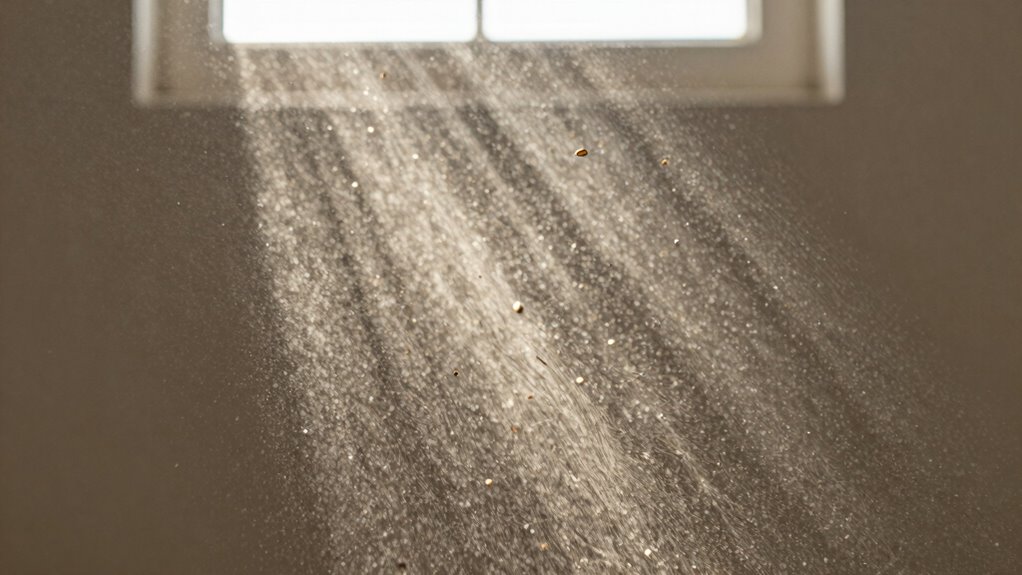
Next time you see dust swirling in sunlight, remember it’s more than just tiny particles—it’s a clue to your environment, your health, and the world around you. That overlooked speck might just be a coincidence, or maybe a whisper from nature, reminding you that even the smallest things matter. Pay attention, breathe deeper, and rethink what dust really means—because sometimes, the tiniest details reveal the biggest stories.