
When sizing a generator, you need to understand the difference between starting (surge) wattage and running wattage. Starting wattage is higher because devices like refrigerators or air conditioners momentarily draw more power during startup. Running wattage is what they consume during normal operation. If you overlook this, you risk overloading or damaging your generator or devices. To avoid common traps, understanding these differences ensures your setup runs smoothly—keep going to discover how to choose the right generator for your needs.

Get school and study supplies delivered free — and shop member deals
- Fast, free delivery on millions of items
- Access to Prime Big Deal Days deals on October 6–7
- Prime Video, Amazon Music and more included
Key Takeaways
- Starting wattage is higher than running wattage and is needed during device startup, not continuous operation.
- Underestimating starting wattage can cause devices to stall or overload the generator during startup.
- Overestimating generator size by ignoring startup wattage leads to inefficiency and higher fuel consumption.
- Proper matching of generator wattage to both starting and running demands ensures reliable, efficient operation.
- Using a generator with sufficient surge capacity prevents shutdowns and prolongs equipment lifespan.
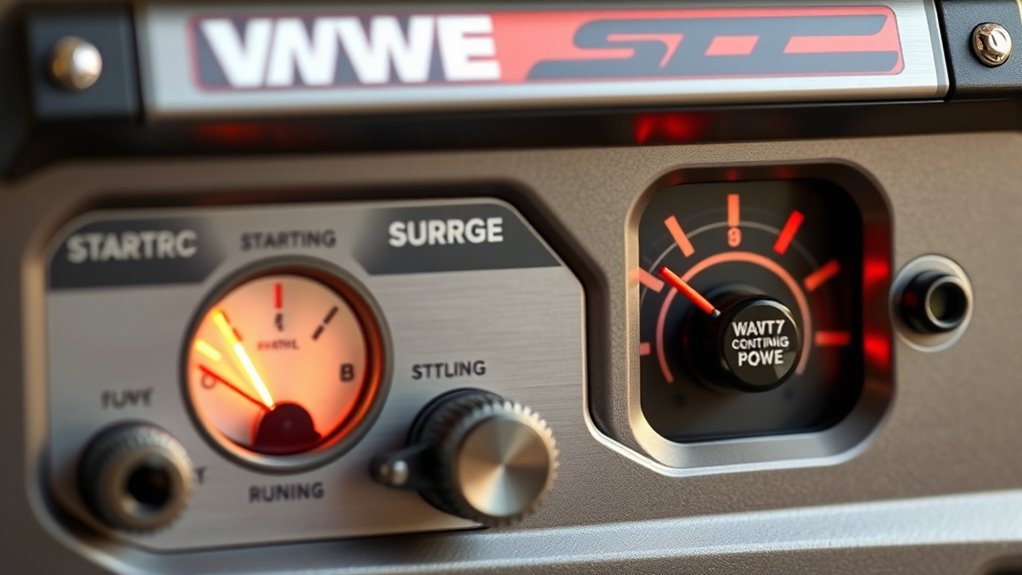
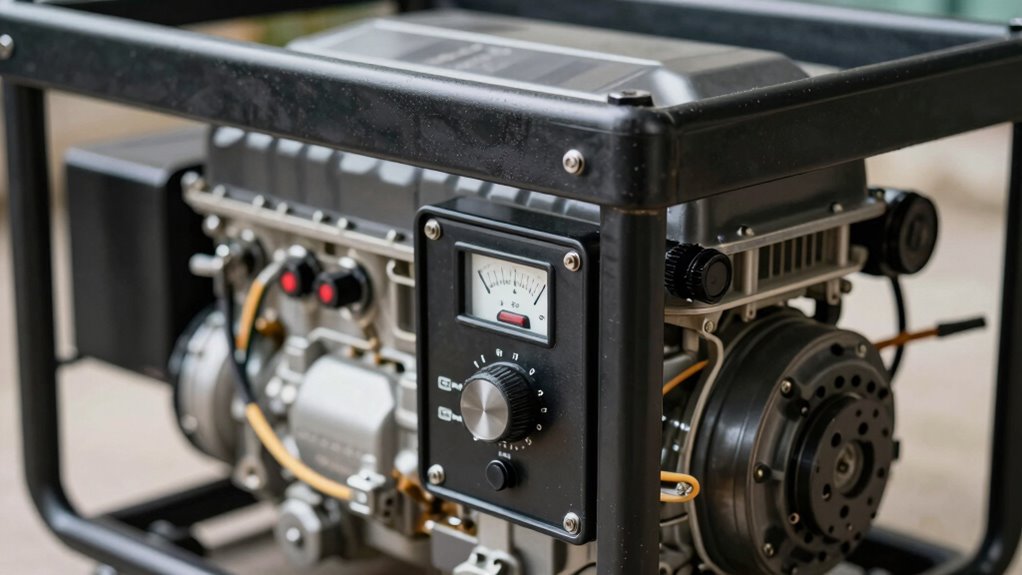
Starting wattage, or surge power, is higher than what the device needs during normal operation. It accounts for the initial power surge required when an appliance starts up—think of a refrigerator’s compressor kick-starting or an air conditioner turning on. If your generator can’t supply enough starting wattage, those devices won’t run properly, or worse, it could cause the generator to stall or shut down. On the other hand, the running wattage is what your devices need during continuous operation once they’re up and running. When selecting a generator, you want to make sure that the running wattage comfortably exceeds the sum of all your devices’ continuous power requirements, with some margin for safety. Understanding power demands is essential for choosing the right size generator and avoiding overloads. Fuel efficiency directly correlates with how well your generator’s wattage matches your needs. A generator working at or near its rated capacity tends to maximize fuel consumption, resulting in fewer refueling stops and lower operational costs. Conversely, overestimating wattage needs can lead to running a larger, more powerful generator than necessary, which consumes more fuel and produces more noise. Speaking of noise levels, a generator running at a lower load generally produces less noise, making it more suitable for quiet environments. Many modern units are designed with noise reduction features, which is especially important if you’re camping or using it in a setting where noise could disturb others.
Frequently Asked Questions
How Do I Calculate the Total Wattage for Multiple Appliances?
To calculate the total wattage for multiple appliances, you add up each appliance’s wattage, which you find on their labels or user manuals. Use power calculation by summing the appliance wattage, making sure to include both starting and running power if specified. This helps you determine the generator capacity needed. Always account for the highest starting wattage to avoid overloads and make certain your generator can handle the load comfortably.
Can I Run a Generator Indoors Safely?
Hold your horses—running a generator indoors is a big no-no. Like a knight without his armor, it leaves you vulnerable. Generators produce carbon monoxide, which can quickly fill your space if ventilation isn’t proper. Always use your generator outdoors in a well-ventilated area, ensuring proper outdoor ventilation and carbon monoxide safety. Never run it inside; your life depends on it.
What Is the Best Way to Store Generator Fuel?
You should store generator fuel in approved, airtight storage containers to prevent spills and evaporation. To keep the fuel fresh, add fuel stabilizers, especially if you’ll store it for more than a month. Keep the containers in a cool, well-ventilated area away from direct sunlight and heat sources. Regularly check for leaks or deterioration, and never store fuel indoors or near open flames to guarantee safety.
How Often Should I Perform Maintenance on My Generator?
You should perform maintenance on your generator every 6 to 12 months, depending on usage and manufacturer recommendations. Regularly check fuel stabilization to prevent old fuel from causing issues. Follow your maintenance schedule closely, including oil changes, filter replacements, and inspecting wiring. Doing so guarantees your generator runs smoothly when needed. Consistent upkeep prolongs its lifespan and guarantees reliable power during emergencies.
Are Inverter Generators More Reliable Than Traditional Models?
Are inverter generators more reliable than traditional models? Think of inverter efficiency as their secret weapon—offering cleaner, more stable power that’s perfect for sensitive electronics. While traditional generators boast tried-and-true durability, inverter models excel in fuel efficiency and quiet operation. You can trust inverter generators to deliver consistent performance, especially when reliability matters, making them a smarter, more versatile choice for many situations.
Conclusion
Think of your generator as a trusty steed ready to carry you through a storm. Knowing the difference between starting and running wattage is like understanding when your horse needs a burst of energy to leap over a fence versus a steady pace to cross a field. By choosing the right wattage, you guarantee your power ride stays smooth and reliable. Don’t let the wattage trap catch you off guard—prepare your generator for the journey ahead.
Halloween Picks
halloween
As an affiliate, we earn on qualifying purchases.