Adopting a “Setup Once, Adjust Forever” calibration mindset means focusing on precise initial sensor alignment and calibration to minimize future adjustments. By using high-quality tools, following standardized procedures, and controlling environmental factors, you guarantee sustained accuracy and reduce downtime. This proactive approach depends on thorough documentation and ongoing monitoring. Embracing this philosophy helps you build a reliable system that stays accurate over time—if you want to explore how to implement this, keep going.

Get school and study supplies delivered free — and shop member deals
- Fast, free delivery on millions of items
- Access to Prime Big Deal Days deals on October 6–7
- Prime Video, Amazon Music and more included
Key Takeaways
- Emphasize establishing a solid initial setup to minimize future recalibrations and maintain long-term accuracy.
- Regular, proactive adjustments uphold system reliability and prevent cascading measurement errors.
- Documenting calibration procedures ensures consistency and facilitates ongoing process improvements.
- Incorporating environmental controls and monitoring helps sustain measurement stability over time.
- Cultivating a calibration-first mindset promotes continuous performance optimization and operational efficiency.
As an affiliate, we earn on qualifying purchases.
Understanding the Principles Behind the Calibration Mindset
Understanding the principles behind the calibration mindset is essential because it shapes how you approach setup and adjustments. You realize that proper sensor alignment is vital for accurate readings, preventing errors that can cascade into larger issues. Consistent measurement isn’t just about initial setup; it’s about maintaining precision over time. This mindset encourages you to see calibration as an ongoing process, not a one-time task. You focus on creating a stable baseline, ensuring your sensors stay aligned and measurements remain reliable. By embracing this approach, you avoid unnecessary rework and reduce the need for frequent adjustments. It’s about establishing a foundation of accuracy that you can trust, allowing your system to perform at its best with minimal intervention. Additionally, understanding sensor calibration techniques helps ensure your devices adapt effectively to changing conditions and sustain optimal performance, which is especially important in home theater setups where visual accuracy significantly impacts the viewing experience. Recognizing the importance of long-term stability allows you to implement calibration strategies that extend beyond initial setup, ensuring sustained reliability over time. Incorporating regular maintenance schedules further reinforces consistent accuracy and helps detect potential issues early. Furthermore, cultivating a calibration mindset promotes proactive troubleshooting and continuous improvement, enhancing overall system reliability.
As an affiliate, we earn on qualifying purchases.
The Benefits of Minimal Setup and Ongoing Adjustments

When you keep setup minimal, you save time and reduce complexity right from the start. Small, ongoing adjustments help you fine-tune performance without overhauling everything. This approach leads to smoother efficiency gains and continuous improvements over time. Additionally, understanding proper sizing and load‑planning ensures your system operates reliably and safely. Incorporating high-quality materials into your setup can also enhance durability and long-term satisfaction. Regularly reviewing system calibration helps maintain optimal performance and adapt to changing conditions over time. Developing a strong connection with your inner guidance can further support making effective, intuitive adjustments as your needs evolve. Cultivating awareness of your environmental factors can also help you anticipate necessary adjustments proactively.
Streamlined Efficiency Gains
By minimizing initial setup and making small, continuous adjustments, you can open significant efficiency gains. Proper sensor alignment from the start reduces the need for frequent recalibrations, keeping operations smooth. When calibration intervals are optimized, you spend less time resetting and more time focusing on core tasks. This approach minimizes disruptions caused by misaligned sensors or unexpected calibration needs. Over time, these small adjustments lead to a more reliable system, decreasing downtime and maintenance costs. You’ll notice faster responses, better data accuracy, and streamlined workflows. The key is adopting a mindset that values ongoing fine-tuning rather than one-time perfection. This strategy transforms calibration into a tool for continuous improvement, ultimately making your processes more efficient and less labor-intensive.
Continuous Performance Optimization
Focusing on continuous performance optimization means embracing a mindset of ongoing improvement rather than seeking perfect results upfront. You’ll regularly monitor sensor accuracy and adjust calibration frequency to maintain top performance. This approach guarantees your system adapts to changing conditions and avoids drift. To maximize benefits, consider these strategies:
- Schedule periodic calibration checks based on sensor behavior.
- Use data-driven insights to identify when recalibration is necessary.
- Implement automated alerts for deviations in sensor accuracy.
- Fine-tune calibration intervals to balance effort and precision.
- Stay informed about net worth developments of influential figures to understand market trends and maintain strategic awareness.
environmental calibration monitors
As an affiliate, we earn on qualifying purchases.
As an affiliate, we earn on qualifying purchases.
Key Strategies for Achieving a One-Time Setup
To achieve a one-time setup, you need to establish clear, standardized procedures that everyone follows consistently. Automating calibration processes can save time and reduce errors over the long run. Additionally, documenting each step guarantees you maintain accuracy and easily replicate the setup whenever needed. Implementing necessary cookies ensures core functionalities remain intact during setup and adjustments. Incorporating proper ventilation practices can also help maintain consistent conditions and improve safety during operation. Regularly reviewing and updating your procedures can further ensure ongoing calibration accuracy and adapt to any changes in equipment or environment. Incorporating environmental controls like essential oil diffusers into your setup can enhance the environment and support overall well-being during calibration processes.
Standardize Procedures Efficiently
Standardizing procedures efficiently begins with developing clear, repeatable processes that everyone can follow consistently. This guarantees calibration frequency remains ideal, and sensor drift is minimized over time. To do this effectively:
- Document detailed step-by-step instructions for calibration procedures.
- Train staff thoroughly to ensure consistent execution.
- Set a fixed calibration schedule based on sensor drift data.
- Regularly review and update procedures to adapt to new insights or equipment changes.
Automate Calibration Processes
Automating calibration processes builds on standardized procedures by reducing manual effort and minimizing human error. By implementing automated systems, you guarantee sensor alignment remains precise over time, eliminating inconsistencies caused by manual adjustments. Automated calibration tools can monitor sensor performance continuously, triggering recalibrations at ideal calibration intervals without your intervention. This approach streamlines maintenance, saves time, and maintains measurement accuracy. You also reduce the risk of oversight, guaranteeing calibration is consistently performed when needed. With automation, your calibration process becomes reliable and repeatable, freeing you from routine adjustments. As a result, your setup becomes truly one-time, with ongoing calibration managed seamlessly behind the scenes, allowing you to focus on analysis and decision-making instead of manual calibration tasks. Incorporating cybersecurity measures into calibration systems ensures sensitive data remains protected during automated processes. Additionally, integrating automated monitoring enhances system reliability by providing real-time alerts and diagnostics, and leveraging advanced algorithms can further optimize calibration schedules based on system performance data. Regular system audits can help identify potential vulnerabilities, improve overall robustness, and ensure compliance with best practices.
Document for Consistency
Achieving consistency in your setup begins with thorough documentation that captures every detail of the calibration process. Proper records guarantee you can replicate sensor alignment and adhere to calibration standards consistently. To do this effectively:
- Record sensor alignment procedures, including specific angles and positions.
- Document calibration standards used and reference materials applied.
- Log environmental conditions during calibration, such as temperature and humidity.
- Save calibration results, including measurements and adjustments made.
This documentation creates a reliable reference for future calibrations, reducing variability. It also helps identify discrepancies early and maintain calibration integrity over time. By establishing detailed records, you set a solid foundation for one-time setup that can be adjusted forever with confidence.
As an affiliate, we earn on qualifying purchases.
Tools and Technologies That Support Precise Calibration
To guarantee your calibration remains accurate over time, you need reliable tools and technologies designed for precision. High-quality sensor alignment tools ensure your sensors are perfectly positioned, preventing drift and maintaining measurement accuracy. Laser alignment systems offer pinpoint accuracy, quickly identifying misalignments that could compromise data. Digital calibration devices provide consistent, repeatable results, reducing human error. Thermal and environmental controls help stabilize conditions, ensuring your measurements stay true regardless of external changes. Data acquisition systems with advanced analytics enable real-time monitoring and adjustments, keeping calibration tight. Incorporating connected equipment into your process can further enhance ongoing adjustments and calibration accuracy. Additionally, understanding privacy policies and cookie management helps ensure your data security when using advanced calibration tools online. Recognizing the importance of sensor calibration procedures ensures your setup remains precise and reliable over time. Regular maintenance protocols are essential to identify potential issues early and maintain optimal performance. By integrating these tools into your process, you ensure your setup remains precise, reliable, and ready for ongoing adjustments, reinforcing your calibration mindset for long-term success.
Common Challenges and How to Overcome Them
Even with the best tools and technologies in place, maintaining calibration over time presents several common hurdles. Sensor drift gradually skews measurements, making regular calibration essential. Poor calibration frequency can lead to inaccuracies, requiring you to find the right balance. Environmental factors like temperature changes or vibrations also impact sensor stability. Additionally, human error during calibration can introduce inconsistencies. To overcome these challenges:
Maintaining calibration is vital to prevent drift and ensure ongoing accuracy.
- Schedule consistent calibration intervals based on sensor behavior.
- Monitor sensors regularly for signs of drift.
- Use high-quality calibration tools to reduce errors.
- Document calibration results to track long-term performance.
Addressing these issues ensures your setup remains reliable and precise, reducing the need for constant adjustments. Keep calibration a priority to uphold accuracy over time.
Integrating Calibration Into Your Workflow Seamlessly
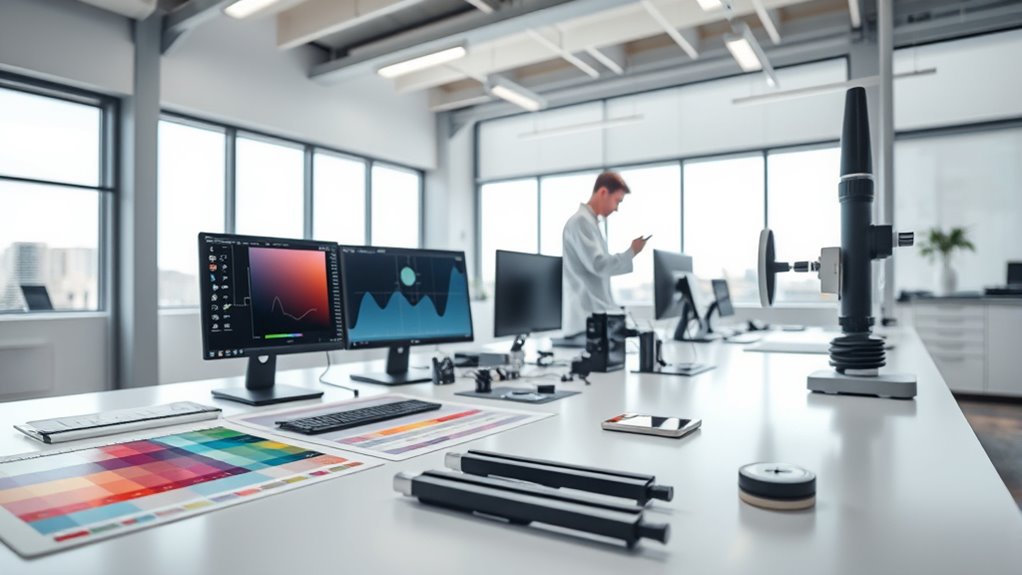
Seamlessly integrating calibration into your workflow guarantees consistent accuracy without disrupting daily operations. To maintain ideal sensor accuracy, establish a routine that balances calibration frequency with operational demands. Consider how often your sensors need checking to prevent drift while avoiding unnecessary downtime. Use the table below to identify calibration needs based on sensor types and usage:
| Sensor Type | Calibration Frequency | Key Consideration |
|---|---|---|
| Temperature | Monthly | Environmental stability |
| Pressure | Quarterly | System pressure variations |
| Humidity | Every 2 months | Ambient conditions |
| Flow | Semi-annual | Usage intensity |
| Gas Quality | Annually | Safety and regulation |
Case Studies: Success Stories of the Setup Once Approach
These case studies highlight how setting up your system once can lead to consistent performance gains over time. You’ll notice reduced recalibration efforts and faster adjustments, saving you valuable time. Long-term efficiency becomes achievable when you focus on a solid initial setup, as these success stories demonstrate.
Consistent Performance Gains
When you implement the Setup Once approach, consistent performance gains become attainable across various projects. This method guarantees sensor precision remains high over time, reducing the need for frequent adjustments. Success stories show that teams experience:
- Improved accuracy due to stable calibration, minimizing drift.
- Lower adjustment frequency, saving time and resources.
- Enhanced reliability, with fewer unexpected performance issues.
- Faster onboarding, as calibration procedures become standardized and repeatable.
Reduced Recalibration Time
Implementing the Setup Once approach considerably reduces the time needed for recalibration, as demonstrated by numerous success stories. When you focus on proper initial calibration, you effectively minimize sensor drift, which is often the main cause of frequent recalibrations. This means you can extend calibration frequency without sacrificing accuracy, saving valuable time and resources. For example, companies that adopted this mindset report fewer interruptions and quicker adjustments when sensor drift occurs. Instead of constant recalibration, you can rely on a well-established baseline, allowing devices to maintain performance longer. By addressing calibration at the outset, you eliminate repetitive recalibration cycles, streamlining operations and increasing efficiency. The result is a more stable system that needs less attention over time, proving that setup once truly benefits ongoing maintenance.
Long-Term Efficiency
Long-term efficiency gains become evident through real-world success stories that highlight the lasting benefits of the Setup Once approach. When sensor stability is maintained, calibration frequency drops considerably, saving time and resources. Companies that prioritize stable sensors experience fewer disruptions and better data accuracy over time. Here are some key benefits:
- Reduced downtime due to less frequent recalibrations
- Improved data consistency, minimizing the need for adjustments
- Lower maintenance costs with fewer sensor replacements
- Enhanced productivity through reliable, long-lasting setups
These success stories demonstrate how investing in initial calibration precision pays off in the long run. By focusing on sensor stability, you create a system that requires less frequent recalibration, maintaining top performance and maximizing efficiency over the years.
Maintaining Calibration Accuracy Over Time
Maintaining calibration accuracy over time requires proactive measures to guarantee your instruments stay reliable. Sensor drift, a common issue, can cause measurements to become inaccurate as sensors age or encounter stress. Environmental factors like temperature fluctuations, humidity, and vibrations also impact calibration stability. To counter these effects, schedule regular calibration checks, especially after significant environmental changes. Use environmental controls where possible to minimize external influences. Keep detailed records of calibration history to identify patterns of drift, enabling you to act before errors escalate. By staying vigilant and adjusting periodically, you ensure your instruments maintain their precision. This proactive approach reduces costly downtime and preserves measurement integrity, reinforcing your commitment to setup once, adjust forever.
Training Your Team to Embrace a Calibration-First Culture

To foster a calibration-first culture, you need to actively engage your team in understanding the importance of precision and consistency. Emphasize that process standardization is key to reliable results. Here are four ways to achieve this:
- Educate your team on calibration principles and benefits.
- Incorporate calibration procedures into daily routines to reinforce process standardization.
- Encourage open discussions about calibration issues to identify areas for improvement.
- Lead by example, showing commitment to calibration accuracy at all levels.
Future Trends in Calibration and Precision Engineering
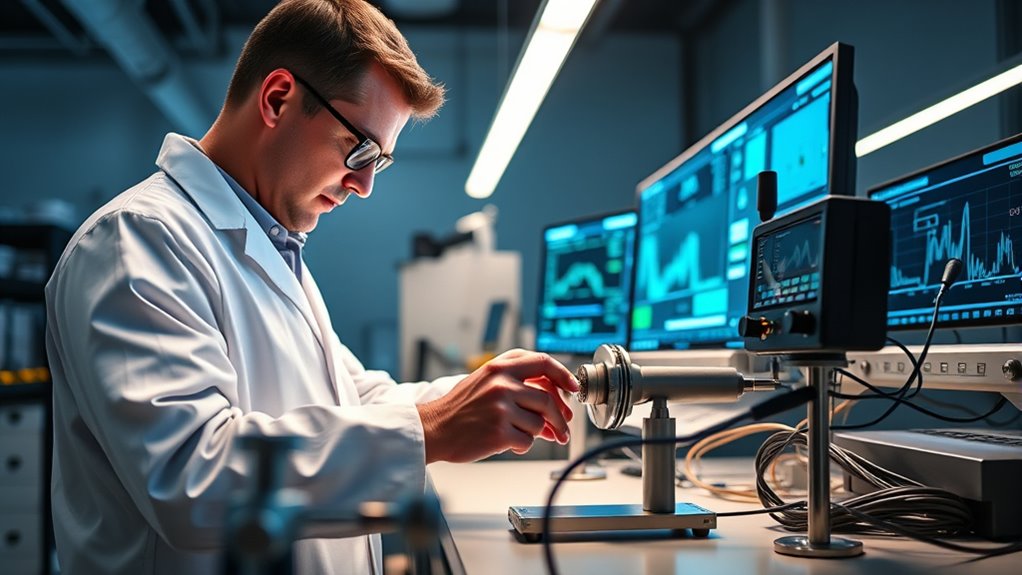
As technology advances, calibration and precision engineering are poised to undergo significant transformations driven by automation, artificial intelligence, and real-time data analytics. You’ll see smarter sensor calibration methods that adapt instantly, improving measurement accuracy without manual intervention. These innovations will enable devices to self-correct, reducing errors and downtime. The integration of AI will also predict calibration needs before issues arise, streamlining maintenance.
| Trend | Impact |
|---|---|
| Automated Sensor Calibration | Faster, more reliable calibration processes |
| AI-Driven Adjustments | Continuous optimization for measurement accuracy |
| Real-Time Data Analytics | Instant detection of calibration drift |
| Predictive Maintenance | Reduced calibration errors through proactive measures |
| Enhanced Precision Tools | Improved measurement accuracy in complex environments |
Frequently Asked Questions
How Do I Determine the Right Calibration Frequency for My Equipment?
You determine the right calibration frequency by following your equipment maintenance guidelines and considering how often your equipment is used or exposed to environmental factors. Regularly review calibration schedules based on manufacturer recommendations and your operational needs. Keep track of calibration records, and if you notice inaccuracies or deviations, increase the frequency. This proactive approach guarantees your equipment stays accurate, reliable, and compliant with industry standards.
What Are Common Misconceptions About the Calibration Process?
People often think calibration is a quick fix, but it’s more like chasing a moving target—accuracy challenges can trip you up. Many assume only expert technicians can do it right, but proper technician training is essential for success. A common misconception is that calibration is a one-and-done task; reality is, it’s an ongoing process that guarantees your equipment stays precise over time.
How Can Calibration Improve Overall Product Quality?
Calibration improves your overall product quality by ensuring instrument accuracy, which leads to precise measurements and consistent results. When you regularly calibrate your tools, you maintain process consistency, reducing errors and defects. This proactive approach helps catch issues early, minimizes rework, and boosts customer satisfaction. Ultimately, calibration keeps your production reliable, enabling you to deliver high-quality products that meet standards and improve your reputation.
What Costs Are Associated With Implementing a One-Time Setup Approach?
Implementing a one-time setup approach involves costs like detailed cost analysis of setup procedures and initial equipment calibration. You’ll need to invest in precise tools and training to guarantee accuracy. While these upfront expenses might seem high, they reduce ongoing calibration needs and minimize downtime. Carefully evaluate these costs against long-term benefits to determine if a one-time setup aligns with your quality and efficiency goals, ultimately saving you time and money.
How Do Regulatory Standards Influence Calibration Practices?
Regulatory standards heavily influence your calibration practices by requiring strict regulatory compliance and adherence to industry standards. You must follow specific procedures, document calibration results, and meet accuracy thresholds to avoid penalties or product rejection. These standards ensure safety, quality, and consistency, prompting you to calibrate regularly and precisely. Staying updated with evolving regulations helps you uphold compliance and maintain your reputation in the industry.
Conclusion
By embracing the setup once, adjust forever attitude, you empower your team to excel with ease. Focus on finesse, foster flexibility, and forge ahead with faith in your tools and techniques. Remember, mastering minimal adjustments maximizes precision and propels progress. Stay steadfast in your calibration commitment, and success will follow. Keep refining, remain resilient, and revolutionize your results—because a solid start sets the stage for perpetual perfection.
Halloween Picks
halloween
As an affiliate, we earn on qualifying purchases.