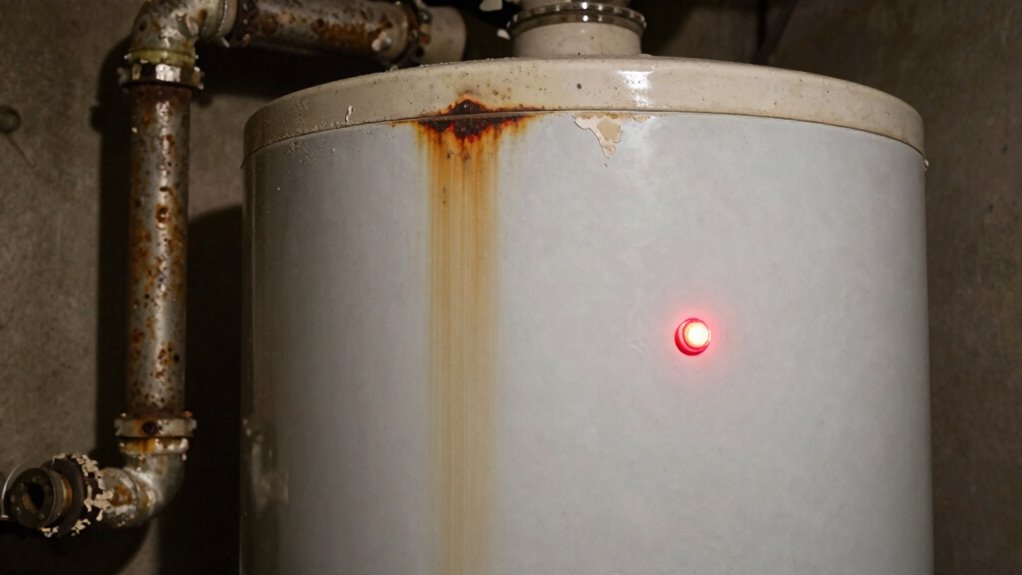

A delayed recovery time on your water heater signals potential issues like mineral buildup, sediment accumulation, or aging parts, which can cause inefficiency and higher energy bills. If your system takes longer to heat water or seems to work harder, it’s a good sign you need maintenance or an upgrade. Ignoring these signs can lead to system failure. To protect your investment and guarantee reliable hot water, learn more about what’s causing the delay and how to fix it.

Prime made for students and young adults
- Fast, free delivery for dorm and study essentials
- Prime Video and Amazon Music included
- Member-only deals
Key Takeaways
- A prolonged recovery time despite proper maintenance indicates possible mineral buildup or aging components.
- Consistently slow hot water recovery suggests declining energy efficiency or sediment accumulation.
- Increased energy bills combined with longer recovery periods signal reduced system performance.
- Persistent delays in reaching the desired temperature often point to corrosion or worn-out parts.
- Older water heaters exhibiting slower recovery times may need upgrading to prevent system failure.

A water heater recovery delay occurs when your heater takes longer than expected to restore hot water after use. This slowdown isn’t just an inconvenience; it can also be a sign that something’s wrong with your system. When your water heater struggles to recover quickly, it’s often due to underlying issues that, if left unaddressed, can lead to higher energy bills and even system failure. Understanding what causes these delays can help you take proactive steps to maintain your heater’s performance.
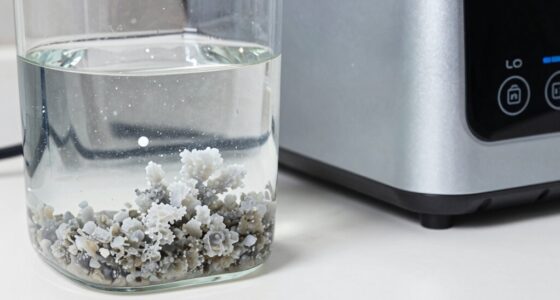
One common reason for recovery delays is a decline in energy efficiency. Over time, mineral buildup, sediment accumulation, or aging components can make your water heater work harder to heat water. When your system isn’t operating efficiently, it takes longer to reach the desired temperature, especially after heavy use. This inefficiency not only prolongs recovery times but also causes your energy bills to spike because your heater consumes more power to do its job. Regular maintenance is essential here. Scheduling routine inspections and flushing out sediment can keep your system running smoothly and prevent the gradual decline in energy efficiency that leads to recovery delays. Additionally, mineral buildup reduces heat transfer, further impairing the heater’s performance. A decrease in heat transfer efficiency can also be caused by corrosion or worn-out heating elements, which are common in aging units.
Mineral buildup and aging parts reduce efficiency, causing longer recovery times and higher energy bills. Regular maintenance prevents this.
Another crucial factor to consider is your maintenance schedule. If you neglect regular upkeep, your water heater’s components—like the heating element or thermostat—may wear out prematurely. This wear can cause inconsistent heating and lengthen the recovery period. Addressing these issues early through a well-planned maintenance schedule ensures that faulty parts are replaced before they cause significant delays. It also helps identify minor problems before they escalate into costly repairs or replacements. Maintaining a consistent schedule isn’t just about fixing problems; it’s about optimizing your system’s overall performance and extending its lifespan.
Furthermore, recovery delays might indicate that your heater needs an upgrade. Older models tend to be less efficient and slower to recover after use. If your heater is over a decade old, it might be time to consider investing in a newer, more energy-efficient unit. Modern water heaters are designed to recover faster and operate with less energy, which can translate into savings over time. Upgrading your system not only reduces recovery times but also enhances energy efficiency, making your household more environmentally friendly and cost-effective.
In essence, a recovery delay is a warning sign that your water heater requires attention. Whether it’s due to diminished energy efficiency, neglected maintenance, or the need for an upgrade, addressing the issue promptly can save you money and prevent inconvenience. Regular maintenance, keeping an eye on efficiency, and knowing when to replace old units are key steps in ensuring your water heater performs reliably and efficiently for years to come. Recognizing signs like sediment buildup can help you catch problems early before they become major issues. Being aware of system components and their condition is also vital to prevent unexpected failures.
As an affiliate, we earn on qualifying purchases.
Frequently Asked Questions
How Long Is Too Long for a Water Heater Recovery Delay?
A water heater recovery delay longer than 30 minutes is too long, signaling potential issues like sediment buildup or a declining tank lifespan. If your heater takes this long or more to recover, it’s time to inspect or replace it. Sediment buildup insulates the tank, reducing efficiency and extending recovery time. Regular maintenance can prevent these problems, ensuring your heater works smoothly and prolongs its lifespan.
Can a Recovery Delay Indicate a Leaking Tank?
Imagine your water heater’s recovery delay as a sluggish chef, taking forever to serve hot water. If it’s consistently slow, it might be because of tank corrosion or sediment buildup, which can cause leaks. Yes, a recovery delay can hint at a leaking tank, especially if corrosion eats through the tank walls or sediment causes pressure issues. Keep an eye out—your heater might be crying for help!
Does Water Temperature Affect Recovery Time?
Yes, water temperature does affect recovery time. When temperature fluctuations occur, your heater needs more energy and time to heat water back up to the desired level, reducing efficiency. If the water is colder, it takes longer for the heater to recover, leading to delays. Maintaining consistent temperature levels helps improve heater efficiency, ensuring quicker recovery times and a steady supply of hot water.
Are Recovery Delays Common in Tankless Water Heaters?
Recovery delays can happen in tankless water heaters, especially during high demand, but they’re less common with modern, energy-efficient models. These delays may impact your system’s lifespan if they’re frequent, as they put extra strain on the unit. To maintain peak energy efficiency and extend your heater’s lifespan, confirm your system is properly sized and regularly maintained. Addressing these delays promptly helps keep your hot water supply reliable and your system efficient.
How Often Should I Have My Water Heater Serviced?
You should have your water heater serviced annually to prevent issues like sediment buildup, which can reduce efficiency, and to inspect the anode rod for corrosion. Regular maintenance helps guarantee your heater’s longevity and peak performance. If you notice longer recovery times or inconsistent hot water, it’s a good sign you need a professional check-up sooner. Staying proactive with servicing keeps your system running smoothly and prevents costly repairs.
electric water heater heating element replacement
As an affiliate, we earn on qualifying purchases.
As an affiliate, we earn on qualifying purchases.
Conclusion
When your water heater takes longer than usual to recover, it’s like a gentle nudge from your home, hinting that something might need a little attention. Ignoring these subtle signs can lead to bigger surprises down the line. By staying attentive to these quiet signals, you’re giving yourself a chance to keep everything running smoothly. Sometimes, a small pause now can prevent a more significant hiccup later—think of it as tending to your home’s quiet well-being.
As an affiliate, we earn on qualifying purchases.
water heater anode rod replacement
As an affiliate, we earn on qualifying purchases.
As an affiliate, we earn on qualifying purchases.
Fall Picks
fall essentials
As an affiliate, we earn on qualifying purchases.