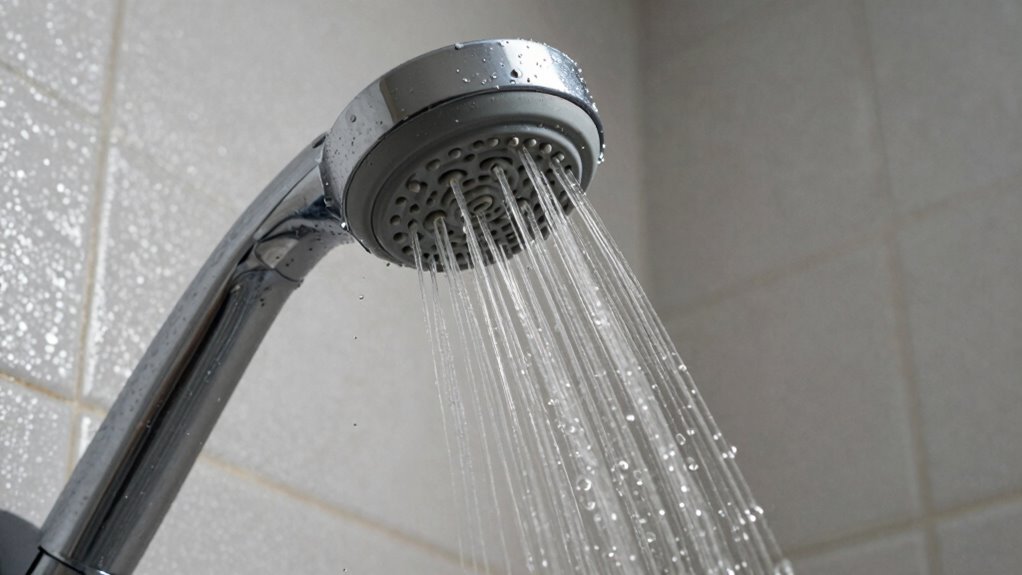

If your shower pressure drops suddenly, it’s likely due to mineral buildup inside the showerhead or clogged nozzles blocking water flow. Plumbing issues like pipe blockages, corrosion, or worn-out valves can also restrict pressure. External factors such as municipal water problems or leaks may reduce your water supply temporarily. Checking these issues and performing regular maintenance can often restore the flow. Keep going to discover more ways to fix this frustrating problem.
Key Takeaways
- Mineral buildup inside showerheads or pipes can block nozzles and reduce water flow suddenly.
- Worn or faulty valves may fail to regulate pressure, causing sudden drops in water flow.
- Pipe blockages, leaks, or corrosion can restrict water supply unexpectedly.
- External issues like municipal water supply problems or maintenance can cause pressure fluctuations.
- Clogged filters or water softeners can restrict flow, leading to abrupt pressure decreases.
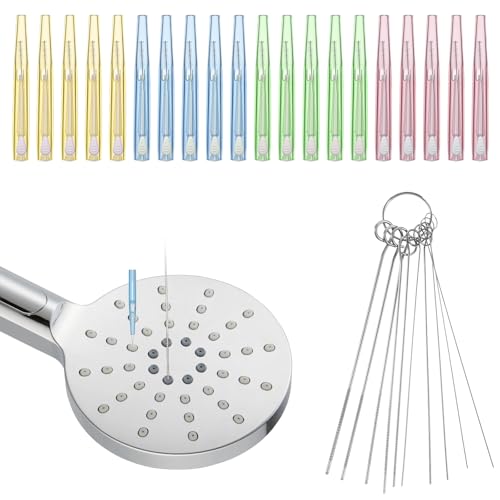
XLIUAX 30Pcs Shower Head Cleaning Brush, Showerhead Cleaner Tools for Small Hole Nozzle with Storage Boxes Shower Head Anti-Clogging Cleaning Brush Picks for Household Bathroom
- Designed for Shower Head Cleaning: Easily unclogs small holes and deposits
- Push-Pull Cleaning Brush: Pen-shaped handle for easy maneuvering
- Multi-Size Unclogging Pins: Includes 10 stainless steel picks for various holes
As an affiliate, we earn on qualifying purchases.
As an affiliate, we earn on qualifying purchases.
Why Does My Shower Pressure Drop Suddenly?
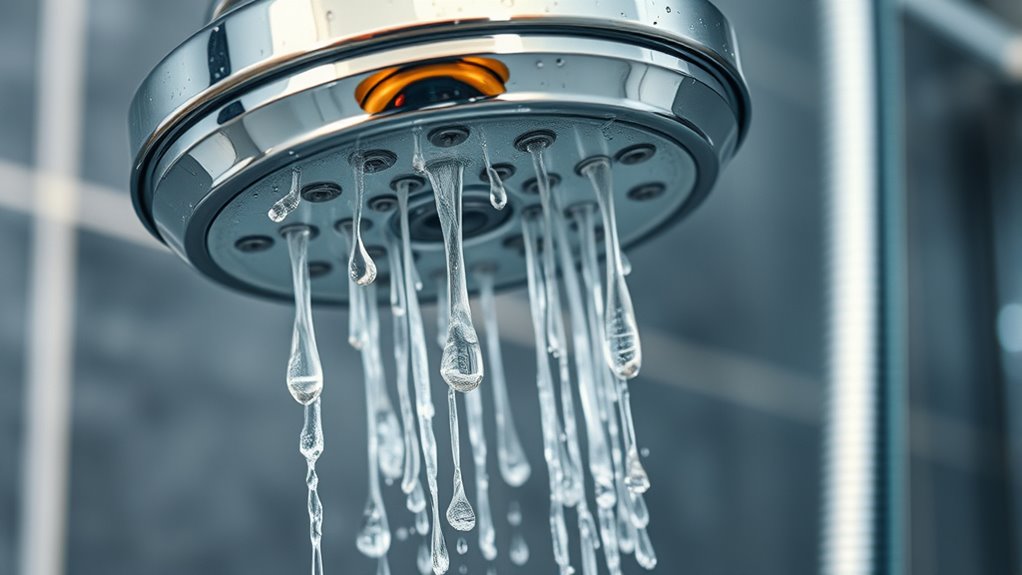
Have you noticed your shower suddenly losing pressure? It could be related to your showerhead design, which affects how water flows and mixes with air. Some showerheads have a complex or outdated design that restricts water flow, leading to a weaker spray. Additionally, fluctuations in water temperature can cause pressure drops, especially if your water heater isn’t maintaining a consistent temperature. When the water temperature changes abruptly, the pressure can feel lower because of how the system responds to heating or cooling. Sometimes, the problem isn’t the water supply itself but the showerhead’s internal components or how it’s designed to regulate flow. Understanding the connection between showerhead design and water temperature helps you pinpoint why your shower pressure drops unexpectedly. Checking for plumbing issues can also reveal underlying problems affecting water pressure.
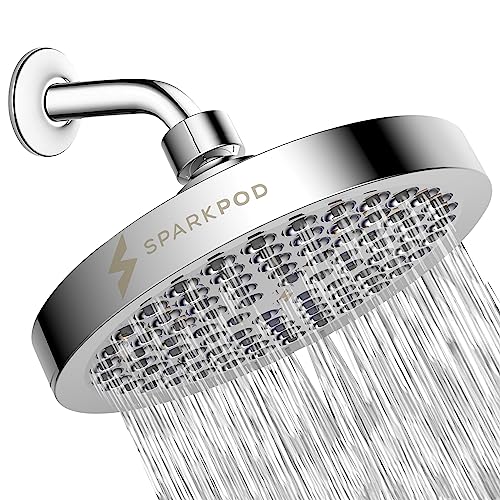
SparkPod Rain Shower Head, 6 Inch Round, Luxury Polished Chrome Finish
- High Pressure Rainfall: Delivers powerful high-pressure rain shower
- Easy No-Tool Installation: Universal fit with included accessories
- Rustproof ABS Nozzles: 90 easy-to-clean rubber jets for limescale removal
As an affiliate, we earn on qualifying purchases.
As an affiliate, we earn on qualifying purchases.
How Do Clogged Showerheads Reduce Water Flow?
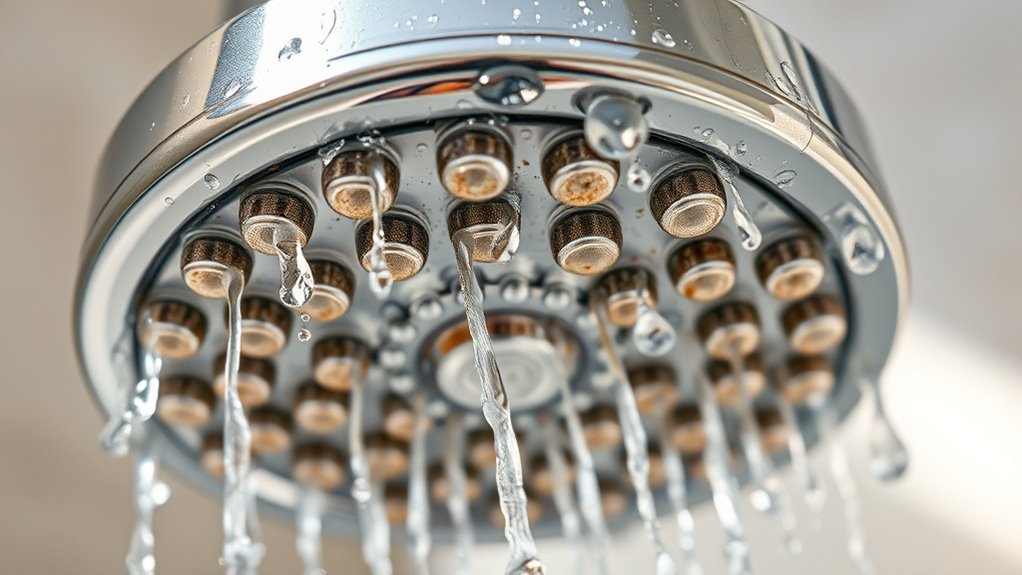
Clogged showerheads can considerably reduce water flow by blocking the small openings where water passes through. Mineral buildup from hard water often creates a crusty obstruction, while debris and sediment can clog the nozzles entirely. These blockages restrict water flow, making your shower feel weaker.
Mineral Buildup Obstruction
Mineral buildup inside your showerhead can considerably reduce water flow over time. When hard water passes through, limescale formation and mineral deposits accumulate on the tiny nozzles, blocking water pathways. This process creates a layer of obstruction, decreasing pressure and spray quality. Imagine this buildup as a layer of crusts gradually forming, like a crust on bread, narrowing the openings. Here’s a visual:
| Nozzle | Mineral Deposit Layer | Water Flow Rate |
|---|---|---|
| 1 | Thin film | Slightly reduced |
| 2 | Thick layer | Noticeably reduced |
| 3 | Obstructed opening | Minimal flow |
| 4 | Complete blockage | No flow |
| 5 | Partial obstruction | Reduced spray |
These deposits hinder your shower’s performance, making it feel like water is struggling to pass through. Proper maintenance can prevent clogged showerheads and restore optimal water pressure.
Debris and Sediment Blockage
Debris and sediment can quickly accumulate inside your showerhead, creating hidden blockages that restrict water flow. Over time, mineral particles settle and form clogs, reducing water pressure. These particles can also cause drain clogs if they loosen and travel downstream, further impairing water flow. Additionally, debris may accelerate pipe corrosion, weakening the plumbing and leading to more severe blockages. As sediment builds up, it narrows the passageways through which water flows, making your shower less effective. Regularly cleaning your showerhead helps remove these deposits and prevents buildup. Be vigilant for signs of drain clogs or corrosion, which often stem from accumulated debris, and address them promptly to restore ideal water pressure and avoid costly repairs. Incorporating energy-efficient solutions can help minimize mineral buildup by reducing the overall stress on plumbing systems.

8 Pcs Shower Flow Reducer Limiter Set Water Flow Restrictor in 4 Specifications Shower Flow Control Silicone Water Flow Saver Adapter for Fixed Shower Head Handheld Showers
- Package Includes: 8 shower flow restrictors with 4 specs
- High-Quality Material: Made of durable silicone for longevity
- Easy Installation: Simple to install by replacing old seal
As an affiliate, we earn on qualifying purchases.
As an affiliate, we earn on qualifying purchases.
What Water Supply Issues Can Cause Pressure Fluctuations?
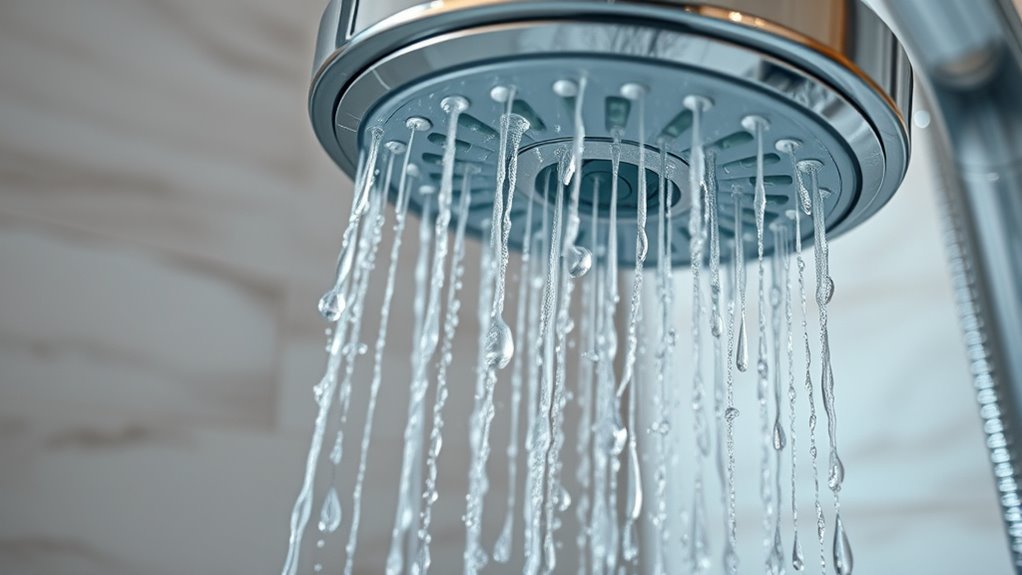
Your water supply can cause sudden pressure drops if there are pipe blockages or leaks in your system. These issues reduce the flow of water to your shower, leading to fluctuations. Additionally, municipal water supply problems, like maintenance or outages, can also impact your water pressure. Using a high-quality home theatre projector, especially one with a high contrast ratio, can help you enjoy clearer images even when water pressure is inconsistent.
Pipe Blockages or Leaks
When pipes develop blockages or leaks, water flow to your shower can be severely disrupted, leading to sudden pressure drops. Pipe corrosion is a common culprit, causing minerals to build up inside the pipes and restrict flow. Leaks can also occur if pipes weaken or crack, draining pressure from your system. Valve malfunctions further complicate things; if a valve isn’t opening or closing properly, it can reduce water flow unexpectedly. These issues often result in inconsistent shower pressure or sudden drops. Regular inspections can help catch corrosion early, and timely repairs prevent leaks from worsening. Ensuring your valves are functioning correctly is also key to maintaining steady water pressure and avoiding frustrating fluctuations during your shower. Proper plumbing maintenance can prevent many of these issues by keeping pipes clear and in good condition.
Municipal Water Supply Issues
Municipal water supply issues can cause sudden fluctuations in your shower pressure, disrupting your normal water flow. Such problems often stem from high demand during peak hours, infrastructure maintenance, or water conservation measures that reduce flow. When water usage spikes citywide, your supply may drop unexpectedly, leading to inconsistent pressure. Understanding these issues helps you adjust your shower design or schedule water use more efficiently. Here’s a quick overview:
| Issue | Impact | Solution |
|---|---|---|
| Peak demand | Reduced pressure during busy times | Shower during off-peak hours |
| Maintenance activities | Temporary pressure drops | Plan showers accordingly |
| Water conservation policies | Lower overall flow rates | Install pressure-boosting devices |
| Infrastructure aging | Unreliable water delivery | Advocate for upgrades |
Being aware of these factors can help you better manage pressure fluctuations. Infrastructure maintenance can often be unpredictable, so staying informed about local updates can prevent surprises.

6-Setting Shower Head with Handheld, JDO High Pressure Hand held Shower Head, 4.7 Inch Chrome Detachable Showerhead Set with 59 Inch Stainless Steel Hose and Adjustable Showerhead Holder
- Multiple Spray Modes: 6 spray options including rain and massage
- High Pressure Technology: Air-induction for powerful flow at low pressure
- Anti-Clog Nozzles: 54 anti-limescale nozzles for consistent flow
As an affiliate, we earn on qualifying purchases.
As an affiliate, we earn on qualifying purchases.
Are Plumbing Blockages Trapping Water and Lowering Pressure?

Plumbing blockages can substantially reduce shower pressure by trapping water before it reaches your fixtures. Over time, pipe corrosion can cause buildup inside your pipes, narrowing the water flow path. This buildup creates a partial or complete obstruction, making it harder for water to pass through freely. As a result, you notice a drop in shower pressure because less water is reaching your showerhead at the desired flow rate. In some cases, debris or mineral deposits can also accumulate, further restricting water flow. If you suspect a blockage, inspecting your pipes for corrosion or buildup might reveal the cause. Clearing these obstructions or replacing corroded sections can restore proper pressure and improve your shower experience. Understanding plumbing issues can help you identify other common causes of pressure drops and solutions.
Could Worn-Out Shower Valves Be the Culprit?

Worn-out shower valves can substantially reduce your water pressure because they no longer regulate flow effectively. Over time, mineral buildup and corrosion hinder their performance, causing uneven or weak flow. Proper shower valve maintenance is essential to prevent pressure drops. If cleaning doesn’t help, valve replacement techniques become necessary. Replacing a worn valve restores ideal water flow and avoids further damage. Regularly inspecting and ensuring the piercing care and hygiene of your plumbing components can also help prevent issues.
How Do Municipal Water Problems Impact Your Shower?
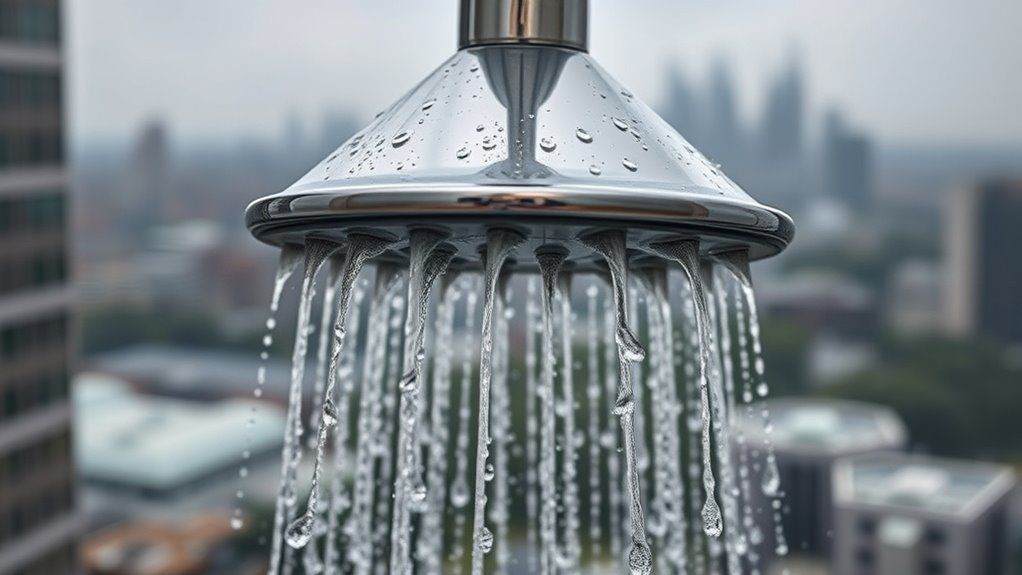
When city-wide water issues occur, they can substantially affect your shower’s water pressure. Municipal maintenance or repairs can reduce water flow temporarily, leading to lower pressure in your home. During these times, water quality might also decline, causing sediments or debris to enter your pipes and fixtures. These contaminants can clog aerators or showerheads, further decreasing pressure. Additionally, if the municipal system is experiencing leaks or pressure shortages, your home’s water supply may be compromised. Such problems are typically beyond your control and require city officials to resolve. Until the municipal issues are fixed, you might notice inconsistent or weak water pressure in your shower, making your daily routine less comfortable. Understanding municipal water systems can help you stay better informed about these disruptions. Staying informed about local water updates can help you understand these disruptions better.
Can Water Softeners and Filters Interfere With Pressure?
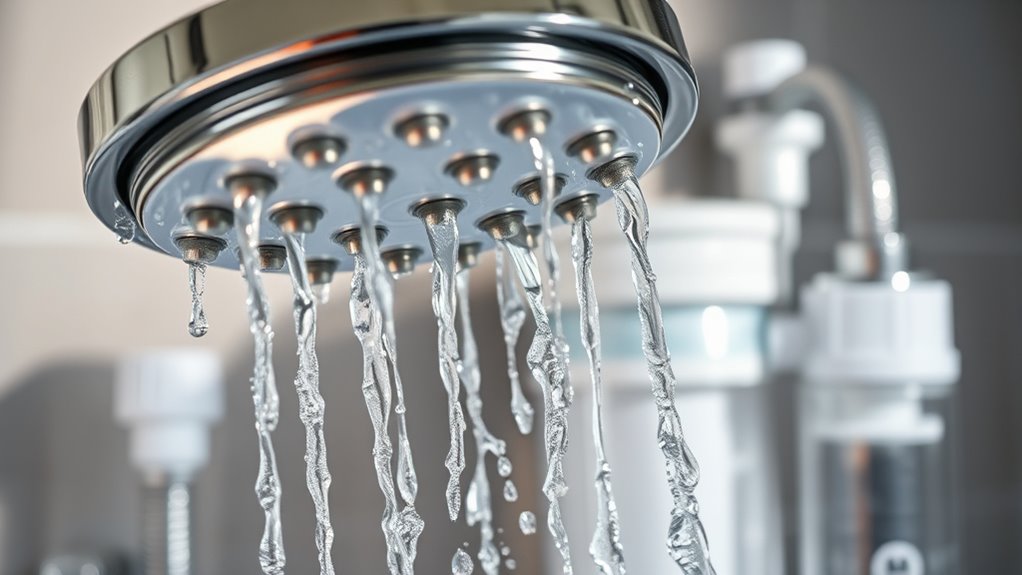
Have you ever wondered if water softeners or filters could be causing your shower pressure to drop? It’s possible that water softener effects and filter interference are behind the issue. Sometimes, a softener or filter becomes clogged or improperly installed, restricting water flow. This can lead to reduced pressure at your showerhead, especially if the system isn’t maintained regularly.
Water softeners or filters may cause shower pressure drops if clogged or improperly installed.
Consider these factors:
- Mineral buildup in the softener can cause flow restrictions
- Filter cartridges may become clogged, impeding water flow
- Incorrect installation might create unnecessary pressure drops
While water softeners and filters improve water quality, poor maintenance or installation can negatively impact pressure. Ensuring proper setup and regular upkeep can prevent these unintended effects.
How Can I Troubleshoot and Fix Sudden Shower Pressure Drops?
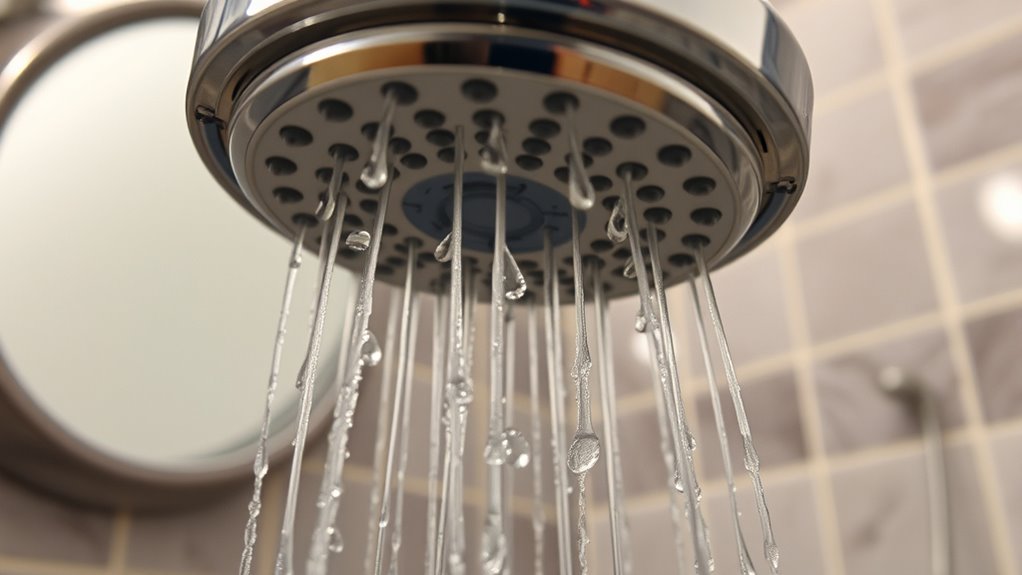
To troubleshoot sudden shower pressure drops effectively, start by inspecting your showerhead and plumbing for obvious clogs or mineral buildup. Removing and cleaning your showerhead can improve water flow and help identify if mineral deposits are causing the issue. Check for any leaks or damaged pipes, as they can reduce pressure. Regular shower maintenance, like flushing out aerators and clearing blockages, ensures peak performance and conserves water. If your water pressure remains low, consider installing a pressure regulator or upgrading to a higher-flow showerhead designed for water conservation. Also, verify that your main water supply valve is fully open. Addressing these common issues promptly can restore your shower’s pressure and promote efficient water use. Additionally, inspecting your plumbing system for any hidden issues can uncover problems that are not immediately visible but impact water flow.
Frequently Asked Questions
How Often Should I Clean My Showerhead to Prevent Pressure Drops?
You should clean your showerhead at least once every three months to prevent pressure drops caused by mineral buildup. Regular showerhead maintenance helps keep the holes clear and water flowing smoothly. If you notice reduced pressure sooner, increase cleaning frequency. Soaking the showerhead in vinegar or using a brush can effectively remove mineral deposits. Consistent cleaning guarantees ideal water pressure and prolongs the life of your showerhead.
Can Low Water Pressure Be a Sign of a Bigger Plumbing Issue?
It’s possible that low water pressure hints at a bigger plumbing issue, especially if you notice inconsistent flow or leaks. You should schedule a plumbing inspection and leak detection to identify hidden problems. Sometimes, coincidentally, these issues develop alongside minor clogs or pipe corrosion, amplifying pressure problems. Addressing them early helps prevent costly repairs and guarantees your water flow remains steady and reliable.
Do Outdoor Pipes Affect Indoor Shower Pressure?
Outdoor pipes can definitely affect your indoor shower pressure, especially if outdoor pipe insulation is damaged or missing. When garden hose leaks occur, they can reduce overall water flow, impacting indoor pressure as well. Leaks and poor insulation allow cold air or debris in, causing blockages or pressure drops. Ensuring outdoor pipes are well-insulated and fixing leaks promptly helps maintain steady, strong shower pressure inside your home.
Is It Normal for Pressure to Fluctuate During Different Times of the Day?
Yes, pressure fluctuations are normal during different times of the day due to water supply variability. You might notice your shower pressure drops during peak hours when everyone’s using water, causing temporary pressure drops. These fluctuations happen because your local water system manages supply based on demand. If you experience persistent issues, consider checking your home’s plumbing or contacting your water provider, but brief fluctuations are typically normal.
When Should I Call a Professional Plumber for Pressure Problems?
You should call a professional plumber when your shower pressure drops suddenly and persistent issues remain despite adjusting fixtures. If you notice frequent fluctuations, strange noises, or leaks, it’s time for plumbing inspections. Also, seek help for emergency repairs if your water pressure suddenly becomes very low or high, risking damage or water waste. Prompt professional intervention guarantees your plumbing system stays in good shape and prevents costly repairs later.
Conclusion
When your shower pressure drops unexpectedly, it’s like a sudden rainstorm dimming your sunshine—frustrating but fixable. By checking for clogs, plumbing issues, or water supply problems, you can clear the storm clouds and restore your flow. Think of your plumbing system as a delicate dance; when one step falters, the whole rhythm suffers. With a little troubleshooting, you’ll soon be dancing under a steady stream of water again.