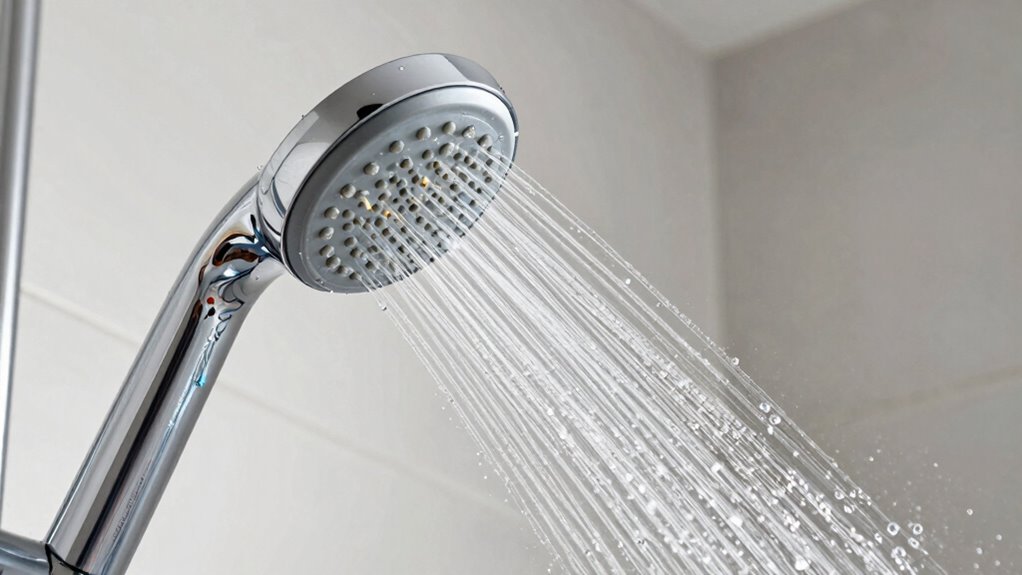

If you’re experiencing frequent shower temperature swings, it’s often due to system imbalance caused by fluctuating water pressure, faulty thermostats, or mineral buildup. High pressure can cause rapid temperature changes, while low pressure creates uneven flow. A miscalibrated thermostat or sediment clogs may also contribute. Regular maintenance, pressure regulation, and thermostat checks can help stabilize your water temperature. Keep exploring to discover how to fix these common issues effectively.
Listen free for 30 days with Audible
Thousands of audiobooks and originals — cancel anytime.
As an affiliate, we earn on qualifying purchases.
Key Takeaways
- Sudden temperature changes during a shower often indicate fluctuating water pressure affecting the system.
- Inconsistent water pressure causes the water heater to struggle with maintaining steady temperature.
- A miscalibrated thermostat or sediment buildup can contribute to unpredictable temperature swings.
- Mineral deposits and faulty mixing valves may also cause system imbalance leading to temperature fluctuations.
- Regular maintenance, including pressure checks and thermostat calibration, helps prevent and resolve temperature swings.
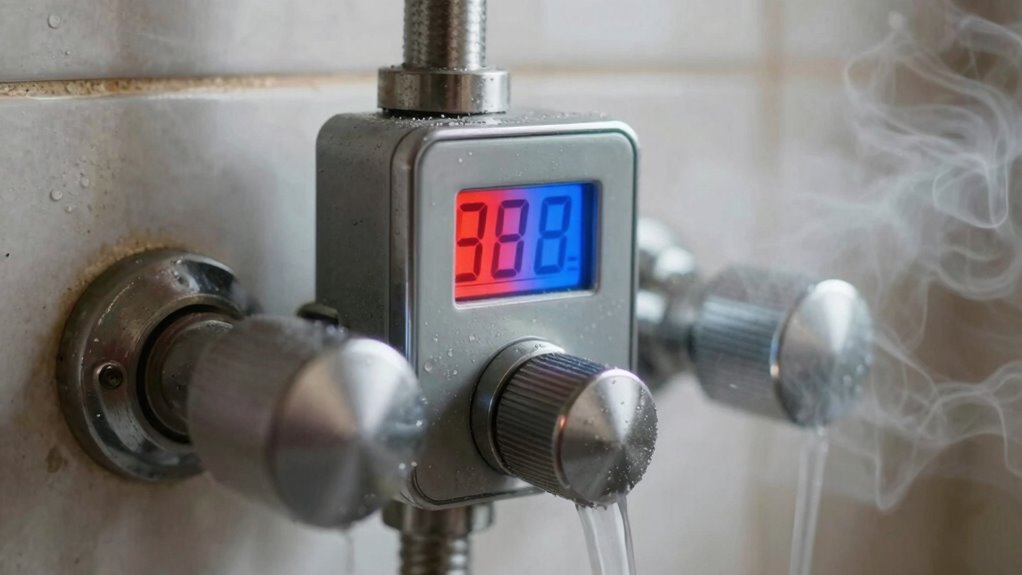
If you’ve ever stepped into the shower only to find the water temperature swinging unpredictably, you’re not alone. That erratic change from fiery hot to icy cold can be frustrating, and it often points to underlying system imbalances. One common culprit is fluctuating water pressure. When water pressure isn’t steady, your water heater struggles to deliver consistent temperature, especially if it’s an older or improperly adjusted unit. High water pressure can cause rapid temperature shifts because the system tries to compensate for sudden flow changes, leaving you with unpredictable showers. Conversely, low water pressure can make it difficult for the heater to maintain a steady temperature, resulting in uneven water flow and temperature swings. Addressing water pressure issues usually involves checking your home’s main water supply and possibly installing a pressure regulator to keep the flow within a stable range. Ensuring your water pressure system is properly maintained can also extend the lifespan of your water heater. Regularly inspecting and adjusting your water pressure can help prevent these issues from recurring. Additionally, some systems benefit from the installation of a pressure-balancing valve, which can help stabilize water temperature by adjusting for pressure fluctuations. Proper system maintenance is essential to keep these components functioning correctly and prevent fluctuations.
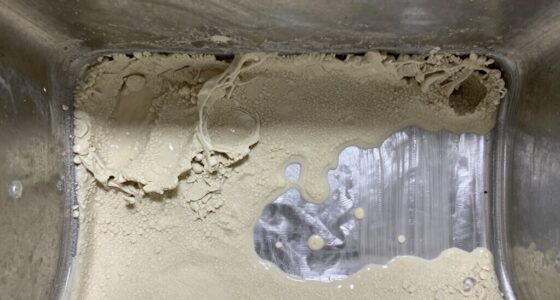
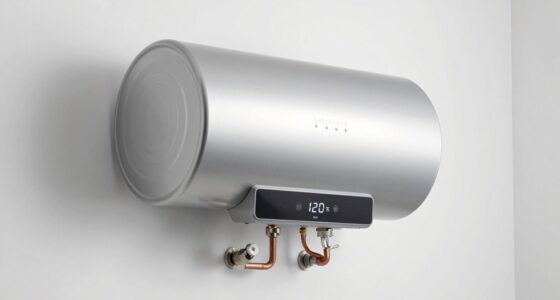
Another key factor often overlooked is thermostat calibration. Your water heater has a thermostat that controls the heating element’s operation, and if it’s not calibrated correctly, you’ll notice temperature swings during your shower. An improperly calibrated thermostat may think the water is hotter or colder than it actually is, causing it to turn the heating element on or off at the wrong times. This inconsistency leads to abrupt temperature changes during your shower, making the experience unpredictable. To fix this, you might need to recalibrate the thermostat or replace it altogether. Sometimes, sediment buildup can interfere with thermostat sensors, so flushing out the tank periodically can help maintain accurate temperature readings. Additionally, mineral deposits can form over time and impact the efficiency of the thermostat, further contributing to temperature swings. Regular maintenance, such as flushing the tank and inspecting the thermostat, can prevent many of these issues.
In addition to water pressure and thermostat calibration, other issues can contribute to temperature swings, such as mineral deposits clogging the system or faulty mixing valves. However, focusing on these two primary causes—water pressure and thermostat accuracy—can often resolve the problem. Regular maintenance, including checking pressure levels and ensuring your thermostat is properly calibrated, is essential to prevent future fluctuations. If you find yourself battling these temperature swings frequently, it’s worth consulting a professional plumber or technician to diagnose and fix the root cause. Maintaining a balanced system means your showers will stay comfortably warm without sudden surprises, making your daily routine more enjoyable and less stressful.
As an affiliate, we earn on qualifying purchases.
Frequently Asked Questions
How Often Should I Check My Water Heater for Issues?
You should check your water heater for issues at least once a year to guarantee ideal water heater maintenance. Regular inspections help catch problems early, especially when it comes to temperature regulation, preventing sudden temperature swings that can indicate system imbalance. During these checks, look for leaks, corrosion, or sediment buildup, and test the thermostat to keep your hot water consistent and efficient. Proper maintenance keeps your system running smoothly.
Can a Shower Temperature Swing Indicate a Leak?
A sudden shower temperature swing might hint at leak detection issues or inadequate pipe insulation. While it doesn’t directly confirm a leak, inconsistent water flow can suggest hidden pipe concerns. If you notice this, check for damp spots or drips around your plumbing. Improving pipe insulation can also stabilize temperature, reducing fluctuations. Stay attentive—such subtle signs often whisper about hidden system hiccups before they become bigger problems.
What Are Signs of a Faulty Mixing Valve?
You might notice a faulty mixing valve if you experience temperature inconsistency during your shower. Signs include sudden changes in water temperature, difficulty maintaining a steady heat, or the water turning hot or cold unexpectedly. These issues occur because the mixed valve isn’t regulating water flow properly. If you observe these symptoms, it’s a clear sign that your mixing valve needs inspection or replacement to restore consistent, comfortable water temperature.
Is Temperature Fluctuation Harmful to Plumbing?
Temperature fluctuation might seem harmless, but it can threaten your plumbing safety. Sudden changes in water temperature cause stress on pipes and fixtures, increasing the risk of leaks or bursts over time. Consistent swings can weaken plumbing components, leading to costly repairs. So, keeping water temperature stable isn’t just about comfort—it’s essential to protect your plumbing system and prevent potential damage, ensuring long-term safety and reliability.
How Long Does It Take to Fix System Imbalances?
Fixing system imbalances typically takes a few hours to a day, depending on the issue. You might notice water pressure fluctuations or thermal expansion problems causing temperature swings. To resolve these, you’ll need to check and adjust your pressure regulator, or install thermal expansion tanks if needed. In some cases, a professional plumber can complete the fix quickly, ensuring your system operates smoothly and maintains consistent water temperature.
water heater thermostat calibration kit
As an affiliate, we earn on qualifying purchases.
As an affiliate, we earn on qualifying purchases.
Conclusion
So, when your shower’s temperature swings wildly, it’s a sign—an urgent whisper from your system asking for balance. Don’t ignore the warning; instead, tune into the clues. Like a symphony needing harmony, your plumbing needs proper care. Address the imbalance, and suddenly, the chaos turns to calm. Remember, a steady stream isn’t just comfort—it’s your system’s way of saying, “I’m healthy.” Take action now, and enjoy the warmth without the wild ride.
As an affiliate, we earn on qualifying purchases.
water pressure regulator for home
As an affiliate, we earn on qualifying purchases.
As an affiliate, we earn on qualifying purchases.
Fall Picks
fall essentials
As an affiliate, we earn on qualifying purchases.