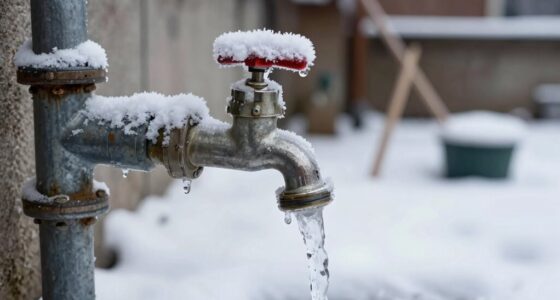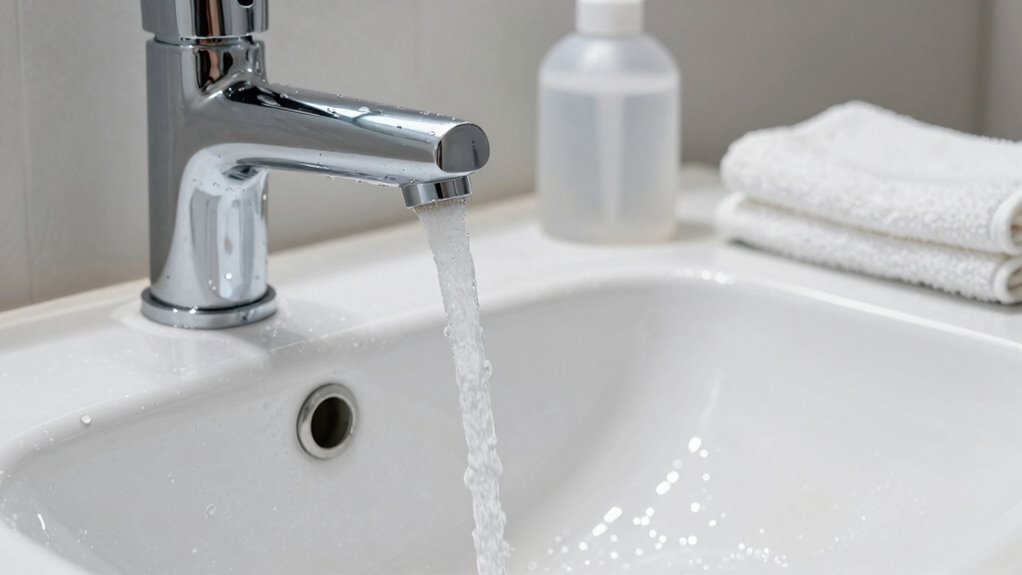

To catch water waste quickly, start with a simple water-use audit by checking your water bills or monitoring your meter over 1-2 days. Turn off appliances and fixtures to spot leaks and note any unusual meter changes. Evaluate your habits, like running full loads and shortening showers, and consider upgrading to water-efficient fixtures. Managing outdoor watering wisely also helps. Keep investigating, and you’ll find even more ways to save water and reduce waste efficiently.

Prime made for students and young adults
- Fast, free delivery for dorm and study essentials
- Prime Video and Amazon Music included
- Member-only deals
Key Takeaways
- Conduct a quick water meter check after appliances are off to identify hidden leaks.
- Review water bills for unusual spikes indicating excessive or wasteful usage.
- Turn off fixtures and observe meter for changes to quickly spot leaks.
- Track water use during routine activities to identify inefficient habits or appliances.
- Replace outdated fixtures with water-efficient models to reduce waste and save costs.
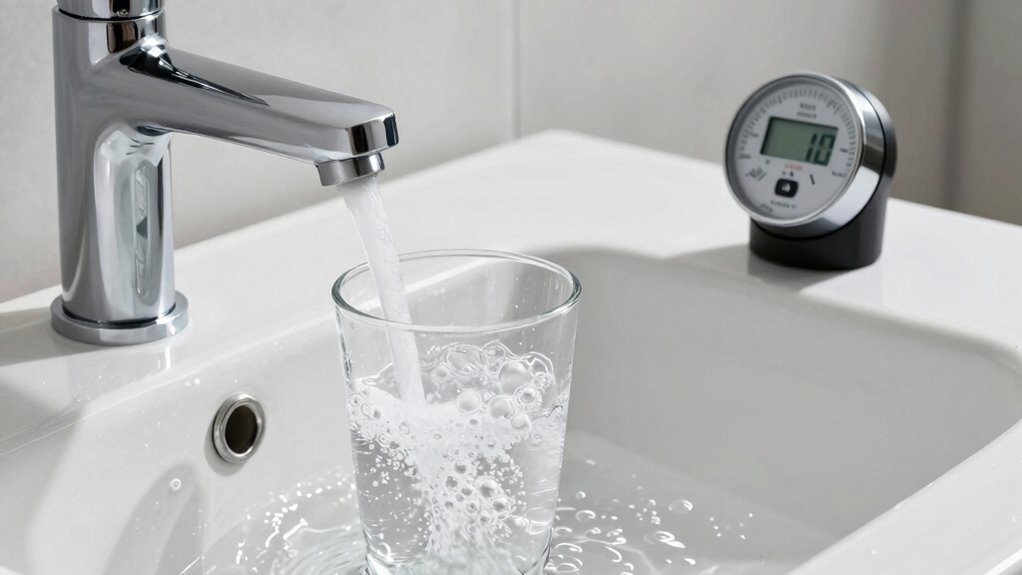
A water-use audit is a essential step in understanding how you use water and identifying areas where you can conserve. When you take a close look at your daily habits and water systems, you can uncover easily overlooked waste. This simple process helps you pinpoint leaks, inefficient fixtures, and unnecessary water use, enabling you to adopt more sustainable practices and effective conservation strategies. By making small adjustments, you can notably reduce your water bills and lessen your environmental impact.
Start by gathering your water bills or tracking your water meter over a day or two. This gives you baseline data to compare against after implementing changes. Check for leaks by turning off all water-using appliances and fixtures, then note your meter reading. If the reading changes, you know there’s a leak that needs fixing. Addressing leaks promptly is one of the easiest ways to prevent water waste. Regularly inspecting hoses, faucets, and toilets for drips or signs of wear helps you catch leaks early, saving gallons of water each year.
Next, evaluate your household’s water usage habits. For instance, are you running the dishwasher or washing machine only when full? Are you taking shorter showers or installing low-flow showerheads? These small adjustments can add up over time. Incorporating water conservation techniques like watering your garden early in the morning or late in the evening to avoid evaporation can make a difference. Using drought-tolerant plants also contributes to sustainable practices, reducing the need for frequent watering. Recognizing how water efficiency impacts overall consumption can help you prioritize which upgrades or habits to focus on first. Additionally, understanding the role of water-saving fixtures can motivate you to upgrade outdated appliances for better conservation. Conducting periodic water efficiency assessments can help you stay aware of your progress and identify new opportunities for improvement.
Another essential step is examining your fixtures. Replacing outdated toilets, faucets, and showerheads with modern, water-efficient models can drastically cut your water consumption. These fixtures are designed to deliver the same performance while using a fraction of the water. When you upgrade, you’re not just saving water—you’re practicing sustainable habits that benefit the environment and your wallet.
Finally, consider the outside use of water. If you have a lawn or garden, watering deeply but infrequently encourages healthier plants and conserves water. Mulching around plants can also retain soil moisture, reducing the need for constant watering. Installing rain barrels to collect runoff from your roof provides an alternative water source for your garden, further enhancing your conservation efforts. Conducting a water efficiency assessment periodically can help you identify new opportunities for saving water and optimizing your system. Regularly reviewing your system’s performance helps maintain long-term conservation success.
As an affiliate, we earn on qualifying purchases.
Frequently Asked Questions
How Often Should a Water-Use Audit Be Conducted?
You should conduct a water-use audit at least once a year to guarantee peak plumbing efficiency and support water conservation efforts. Regular audits help identify leaks, inefficiencies, or waste, saving you money and resources. By staying proactive, you maintain effective water management, prevent costly repairs, and promote sustainable habits. Consistent assessments make it easier to adjust practices and appliances, ensuring ongoing efficiency and conservation in your water usage.
What Tools Are Needed for a Basic Water-Use Audit?
Think of a water-use audit as your detective kit. You’ll need a simple flow meter to measure water flow and a calculator to track readings. A stopwatch helps time how long fixtures run, while a notebook keeps your findings organized. Just record meter readings before and after use, then compare water flow rates. These tools help you spot leaks and waste, making your water management sharper and more efficient.
Can a Water-Use Audit Identify Hidden Leaks?
Yes, a water-use audit can identify hidden leaks through leak detection techniques. You’ll check for silent leaks in hidden plumbing by monitoring your water meter, listening for sounds of dripping or running water, and inspecting fixtures and pipes. These methods help you find leaks you might not see, saving water and money. Regular audits make it easier to catch leaks early, preventing potential damage and waste.
How Long Does a Typical Water-Use Audit Take?
A typical water-use audit usually takes about an hour or two, depending on your home’s size and plumbing system. During this time, you’ll focus on water conservation, perform a plumbing inspection, and identify leaks or inefficiencies. You’ll check fixtures, test water flow, and analyze usage patterns. This process helps you catch waste early, save water, and reduce costs, making your home more efficient and environmentally friendly.
Who Should Perform a Water-Use Audit—Professional or DIY?
You can perform a DIY water-use audit if you’re comfortable with basic troubleshooting and want to identify obvious leaks or inefficiencies. However, a professional assessment provides a thorough analysis, utilizing specialized tools to pinpoint hidden issues. If you’re short on time or want accurate results, hiring a professional guarantees a detailed evaluation. For simple issues, DIY techniques work well, but complex problems benefit from expert insight.
As an affiliate, we earn on qualifying purchases.
Conclusion
Imagine your water habits as a leaky faucet—you might not notice the drip at first, but over time, it adds up. Just like catching that small leak early saves gallons, a quick water-use audit reveals hidden waste before it becomes costly. I once found a tiny leak that was wasting hundreds of gallons a month—simply fixing it made a big difference. Start your audit today, and stop the drip before it drains your resources.
As an affiliate, we earn on qualifying purchases.
As an affiliate, we earn on qualifying purchases.
Evergreen bestsellers Picks
bestsellers
As an affiliate, we earn on qualifying purchases.