If your water suddenly tastes metallic, bitter, or chemical, don’t ignore it. These changes can signal the entry of harmful contaminants like heavy metals, bacteria, or chemicals, which pose health risks. Continuing to drink contaminated water can cause health issues and mask bigger problems in your water system. Take action by testing your water or contacting authorities. Want to learn more about how to protect yourself and your family? Keep going for essential tips.

Prime made for students and young adults
- Fast, free delivery for dorm and study essentials
- Prime Video and Amazon Music included
- Member-only deals
Key Takeaways
- Sudden water taste changes can signal harmful contamination requiring immediate investigation.
- Metallic, bitter, or chemical tastes often indicate presence of heavy metals or chemicals.
- Ignoring taste shifts risks exposure to health hazards like infections or neurological issues.
- Conduct water testing and consult authorities if taste changes persist or worsen.
- Regularly monitor water quality to detect early signs of infrastructure or environmental problems.
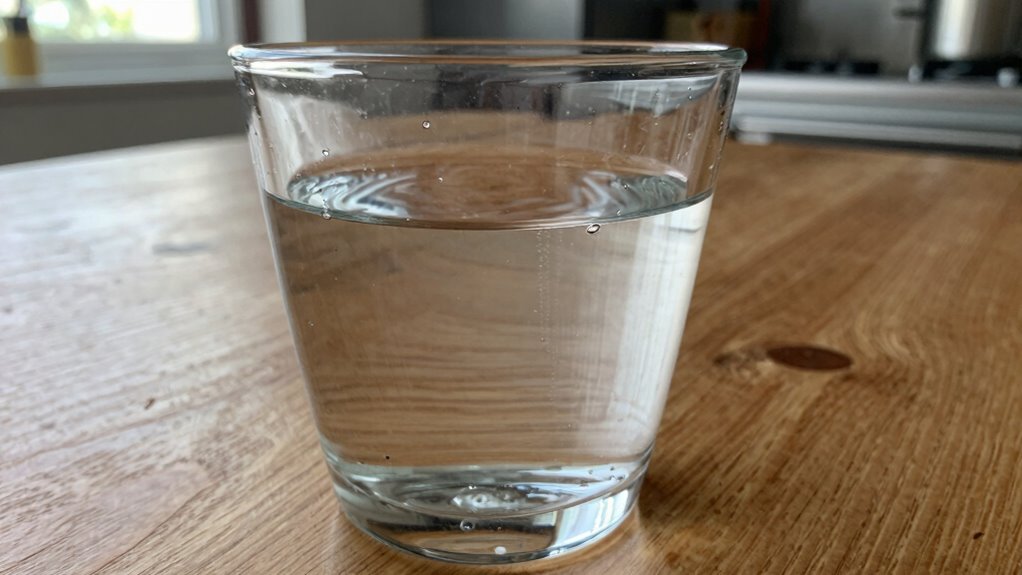
If your tap water suddenly tastes different, it’s a change you shouldn’t overlook. A sudden taste alteration can be a sign of underlying issues, often linked to water contamination. While it might seem minor at first, a strange or off-putting flavor can indicate that harmful substances have entered your water supply. Water contamination can happen for various reasons, including aging infrastructure, environmental factors, or a recent disruption in your local water system. Recognizing the significance of taste changes helps you act quickly, protecting your health and safety.
A sudden change in water taste signals possible contamination—act quickly to protect your health and ensure safe drinking water.
When you notice a strange taste, it’s tempting to dismiss it as a temporary anomaly or just a peculiar flavor. However, even subtle taste alterations may mask the presence of dangerous contaminants like bacteria, chemicals, or heavy metals. These contaminants aren’t always visible or smellable, but they can still pose serious health risks if consumed over time. For example, a metallic or bitter taste could indicate the presence of lead or other heavy metals, which can cause neurological problems and other health issues. Similarly, a chemical or chlorine-like taste may point to excess disinfectants used in water treatment, which, although generally safe in regulated amounts, can become problematic if levels are elevated due to system malfunctions. Being aware of common causes of water contamination can help you understand the potential risks better. Additionally, staying informed about public health advisories related to water safety can help you respond more effectively. It’s also useful to understand how water testing can detect specific contaminants that might be affecting your water quality. Regular testing and awareness of local water reports can help you identify issues before they become severe.
Ignoring a change in water taste might also lead to longer-term problems. Consuming water with ongoing contamination can cause gastrointestinal illnesses, neurological symptoms, or other health complications. If you continue drinking water that tastes different, you’re fundamentally risking exposure to contaminants that may not be immediately obvious but are nonetheless dangerous. The taste alteration may be a symptom of a larger issue with your local water system or your household plumbing. It’s crucial to take proactive steps—such as testing your water or contacting your local water authority—to identify the source of the problem. Addressing the root cause early can prevent more serious health concerns and costly repairs later on.
You should never downplay a sudden change in water taste, especially if it persists or worsens. Testing your water can reveal if contaminants are present, and many local agencies provide free testing kits. If you discover contaminants, consider installing a water filter certified to remove specific harmful substances. In some cases, switching to bottled water temporarily might be the safest option until the problem is resolved. Remember, your health depends on the quality of your water, and taste is often the first warning sign. Don’t overlook it—address the issue promptly to ensure your water remains safe and clean. Additionally, understanding the sources of water contamination can help you better identify and prevent potential risks in your household. Staying informed about your local water quality can also alert you to potential issues stemming from aging infrastructure or recent environmental changes.
water testing kit for contaminants
As an affiliate, we earn on qualifying purchases.
As an affiliate, we earn on qualifying purchases.
Frequently Asked Questions
Can Water Taste Change Occur Suddenly Without Warning?
Yes, water taste change can occur suddenly without warning. Your taste perception can shift quickly due to factors like water source changes, contaminants, or alterations in your body’s taste buds. You might notice a different water flavor almost instantly, which could signal a need to verify your water quality or health. Staying alert to these sudden changes helps you identify potential issues early and ensures your water remains safe and enjoyable.
Does Mineral Content Affect Water Taste Over Time?
Yes, mineral content affects water taste over time. A mineral imbalance can lead to a noticeable change, making water taste metallic, salty, or bitter. Additionally, pH fluctuations can alter how minerals interact, intensifying off-flavors. These changes often develop gradually, signaling shifts in water quality. If you notice a consistent taste difference, it’s wise to check mineral levels and pH balance, as they directly impact water’s flavor and safety.
Are There Health Risks Associated With Persistent Water Taste Changes?
About 15% of water quality complaints involve persistent taste issues linked to chemical contamination. These taste changes can signal potential health risks, especially if your water isn’t properly filtered. Water filtration systems help remove harmful chemicals, reducing health risks associated with long-term exposure. Ignoring taste changes may lead to consuming contaminants that could cause health problems over time, so don’t dismiss unusual water tastes—invest in good filtration and stay safe.
How Often Should I Test My Tap Water for Taste Issues?
You should test your tap water at least once every few months to catch taste issues early. Using water filtration systems can help improve taste, especially if you notice persistent changes. Pay attention to your taste thresholds; if the water tastes off or different from usual, test it more frequently. Regular testing guarantees your water remains safe and pleasant, and it helps you determine if your filtration system needs adjustment or replacement.
Can Household Plumbing Cause Changes in Water Taste?
Yes, household plumbing can cause changes in water taste. Pipe corrosion releases metals into your water, altering its flavor. Plumbing leaks can introduce contaminants or cause stagnation, affecting taste as well. Regularly inspecting your pipes and fixing leaks helps prevent these issues. If your water suddenly tastes strange, check for corrosion or leaks, and consider consulting a plumber to make certain your plumbing system isn’t compromising water quality.
lead and heavy metal water filter
As an affiliate, we earn on qualifying purchases.
As an affiliate, we earn on qualifying purchases.
Conclusion
If you notice your water’s taste subtly shifting, it’s worth paying attention. Sometimes, these gentle changes hint at underlying issues that deserve a closer look. Ignoring these signals might lead to more noticeable concerns down the line. Think of it as tuning into your water’s quiet whispers—addressing them early keeps your drinking experience smooth and satisfying. Trust your senses; a small step now can ensure your water remains pure and revitalizing for the days ahead.
As an affiliate, we earn on qualifying purchases.
whole house water filtration system
As an affiliate, we earn on qualifying purchases.
As an affiliate, we earn on qualifying purchases.
Fall Picks
fall essentials
As an affiliate, we earn on qualifying purchases.