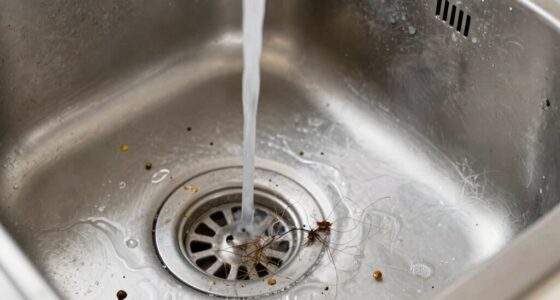
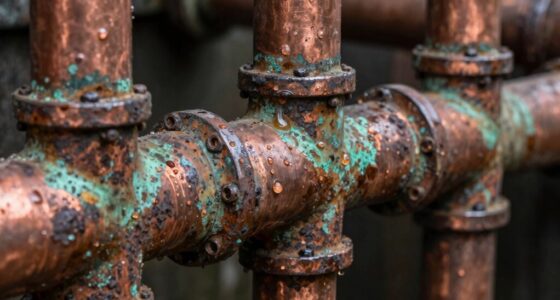
Sediment buildup from hard water restricts water flow by depositing minerals like calcium and magnesium inside your pipes and fixtures. This narrowing reduces pressure and weakens water flow, making your fixtures seem less powerful. You might notice drips, uneven sprays, or slower outlets. As the buildup worsens, it strains your plumbing system and can cause damage. If you want to understand how to prevent or fix this issue, there’s more to uncover about keeping your plumbing healthy.
Open a free Amazon Business account
Business pricing, bulk buying and tax-exempt orders.
As an affiliate, we earn on qualifying purchases.
Key Takeaways
- Sediment accumulation narrows water flow paths, reducing pressure and causing fixtures to appear weak.
- Mineral deposits create rough pipe surfaces that hinder water movement, decreasing fixture performance.
- Buildup inside fixtures restricts water delivery, leading to decreased spray strength and flow rate.
- Sediment-induced pipe restrictions increase pressure demands, making fixtures seem less powerful.
- Reduced water pressure from sediment buildup affects fixture efficiency, resulting in weaker water streams.
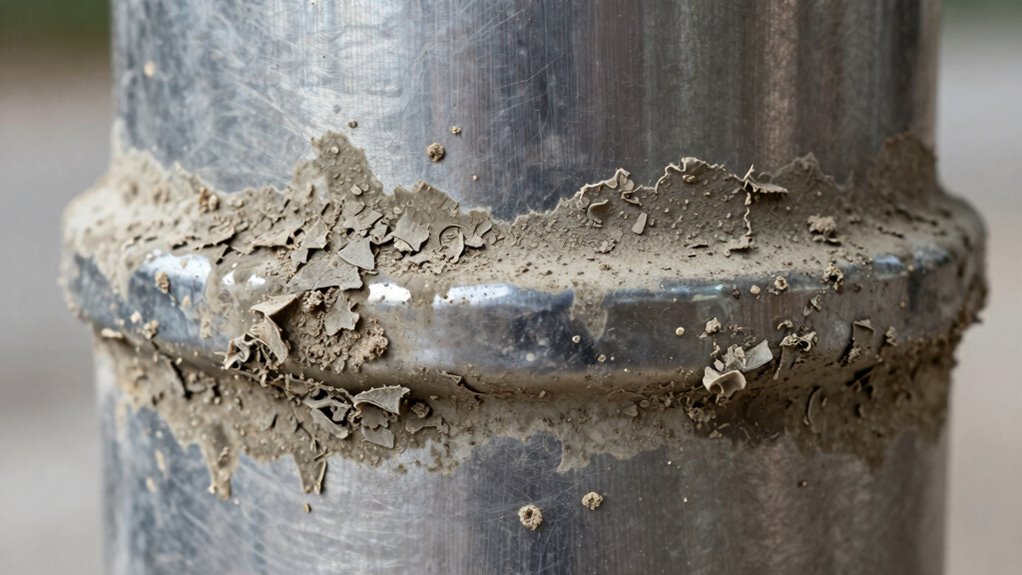
Sediment buildup can often be mistaken for a weak fixture, but in reality, it’s a common issue that can compromise plumbing performance over time. When you notice water flow slowing down or fixtures seeming less powerful, it’s tempting to think the fixture itself is failing. However, the real culprit might be accumulated sediment inside your pipes or fixtures. This buildup is often caused by hard water effects, which introduce minerals like calcium and magnesium into your plumbing system. Over time, these minerals settle and form deposits, reducing the effective diameter of pipes and restricting water flow. As a result, even if your fixtures are in good condition, the flow can seem weak simply because of obstructed pathways caused by sediment.
Sediment buildup from hard water can reduce water flow, making fixtures seem weaker despite being in good condition.
Hard water effects don’t just cause aesthetic issues like soap scum or mineral stains; they also accelerate plumbing deterioration. When mineral deposits stick to pipe walls, they create rough surfaces that encourage further buildup. This process narrows the interior of pipes, increasing pressure on fixtures and joints and leading to leaks or cracks. Over time, the combined impact of sediment and mineral deposits weakens your entire plumbing system. You might notice that faucets drip more often, or that showerheads spray unevenly, which are signs that sediment has compromised the fixtures’ ability to deliver consistent water pressure. These symptoms are often mistaken for faulty fixtures, but in many cases, the underlying cause is sediment buildup restricting flow. Recognizing mineral deposits as a key factor in plumbing issues can help you address the root cause more effectively.
You might also see increased demand on your water heater, as sediment insulates heating elements, reducing efficiency and causing the system to work harder. This additional strain accelerates plumbing deterioration, making your entire plumbing network more vulnerable to leaks and failures. The more mineral-rich your water supply, the faster this process occurs. Ignoring these signs can lead to costly repairs and replacements down the line, especially if sediment buildup is allowed to persist unchecked. Regular maintenance, such as flushing out your system or installing water softeners, can help prevent or slow sediment buildup. Understanding mineral deposits is crucial in recognizing how hard water effects contribute to plumbing issues. It’s essential to address hard water effects early on to protect your plumbing from long-term damage.
In essence, what appears to be weak fixtures are often symptoms of deeper issues—sediment and mineral deposits compromising water flow and damaging your pipes. Recognizing this can save you money and time, as tackling the root cause is more effective than simply replacing fixtures that are still functional but hindered by sediment buildup. When you understand how hard water effects lead to plumbing deterioration, you’re better equipped to maintain a healthy, efficient plumbing system. Being aware of hard water signs can help you take proactive steps to safeguard your plumbing and avoid unnecessary repairs. Additionally, understanding the causes of mineral buildup can help you implement preventative measures to keep your plumbing in optimal condition.
As an affiliate, we earn on qualifying purchases.
Frequently Asked Questions
Can Sediment Buildup Cause Permanent Fixture Damage?
Yes, sediment buildup can cause permanent fixture damage if ignored. It can lead to clogs and corrosion, which weaken fixtures over time. Proper fixture maintenance and good water filtration help prevent this, ensuring your fixtures stay in good condition. Regularly cleaning and inspecting fixtures, along with installing effective water filters, minimizes sediment accumulation, reducing the risk of permanent damage and extending the lifespan of your plumbing fixtures.
How Often Should I Inspect for Sediment in Fixtures?
Don’t wait until it’s too late—schedule regular inspections to catch sediment buildup early. You should inspect fixtures every six months for sediment detection, especially if you notice changes in water flow or pressure. By keeping a close eye on your fixtures, you prevent buildup from turning into costly repairs. Staying proactive is the best way to guarantee your fixtures stay strong and functional, saving you time and money in the long run.
Are Certain Fixtures More Prone to Sediment Buildup?
Yes, certain fixtures are more prone to sediment buildup. Fixtures made of softer materials like plastic or older metal tend to accumulate sediment faster. The sediment’s color can also indicate water quality issues. You’ll notice clearer sediment in well-filtered water, while murkier, darker sediment suggests mineral or rust buildup. Regularly inspecting these fixtures helps catch sediment early, preventing weak fixtures caused by blockages or corrosion.
Does Water Type Affect Sediment Accumulation?
Think of water like a river—its hardness directly influences sediment buildup. Hard water, rich in minerals, accelerates sediment deposits, making fixtures seem weaker over time. Using effective filtration systems helps reduce mineral content, preventing buildup. So, yes, your water type affects sediment accumulation, and investing in filtration can keep your fixtures strong. Just like a well-maintained river, your plumbing benefits from controlling its mineral flow.
Can Sediment Buildup Be Prevented Naturally?
Yes, sediment buildup can be prevented naturally through methods like natural filtration and water softening. You can install sand or charcoal filters to trap sediments before they reach fixtures. Using water softeners helps reduce minerals that cause buildup. Regularly maintaining these systems guarantees sediment doesn’t accumulate, keeping your fixtures strong. Embracing natural filtration and water softening methods offers an eco-friendly way to minimize sediment issues and protect your plumbing.
As an affiliate, we earn on qualifying purchases.
Conclusion
Think of sediment buildup as the silent thief of your home’s strength, quietly weakening your fixtures like a shadow undermining a sturdy foundation. When you notice those fixtures acting up, it’s a sign your plumbing’s spirit is whispering for help. Addressing the buildup is like shining a light into darkness—restoring the fixture’s true resilience and preventing future decay. Don’t ignore the signs; your home’s health depends on catching this silent erosion early.
showerhead with mineral deposit prevention
As an affiliate, we earn on qualifying purchases.
As an affiliate, we earn on qualifying purchases.
As an affiliate, we earn on qualifying purchases.
Flea & tick season Picks
flea and tick prevention
As an affiliate, we earn on qualifying purchases.