When you use a lot of outdoor water, like watering your lawn or filling a pool, it increases the demand on your home’s plumbing system. This heavy use can cause pressure drops inside your pipes, making indoor water flow weaker or inconsistent. Since your plumbing is connected to the municipal supply, these outdoor demands can lower pressure throughout your home. If you want to understand exactly how to prevent these issues, there’s more to learn.

Prime made for students and young adults
- Fast, free delivery for dorm and study essentials
- Prime Video and Amazon Music included
- Member-only deals
Key Takeaways
- Outdoor water use increases overall demand, causing pressure drops in the plumbing system.
- High outdoor activity temporarily reduces pressure available for indoor fixtures.
- Plumbing systems are connected to municipal supply, so outdoor demand affects indoor pressure.
- Pressure fluctuations during outdoor use can weaken indoor water flow and temperature consistency.
- Managing outdoor water activities and installing pressure regulators help maintain stable indoor pressure.

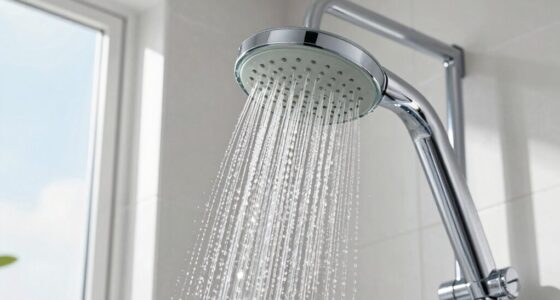
When outdoor water use increases, it can directly impact the pressure inside your home’s plumbing system. As you water your lawn, fill the pool, or use your sprinkler system, the demand for water outside rises. This increased water flow can cause pressure fluctuations within your pipes, making it harder for water to reach your fixtures at a consistent pressure. When a large volume of water is being drawn outdoors, it reduces the overall pressure in your main plumbing line, which can lead to weaker water flow inside your home. You might notice your shower’s spray becoming less forceful or your kitchen faucet delivering a weaker stream during peak outdoor watering times.
These pressure fluctuations happen because your plumbing system and the municipal water supply are interconnected. When water is pulled heavily from the main line for outdoor use, it creates a temporary drop in pressure. This drop affects all fixtures connected to the same system, so your indoor water pressure can vary significantly depending on outdoor activity. In some cases, you may even experience inconsistent water temperature or sudden surges and drops in water flow. If your home’s pressure regulator isn’t functioning properly, these fluctuations can become more noticeable, making everyday tasks frustrating. Additionally, municipal water systems can be affected by larger-scale demands as well, so sometimes, pressure fluctuations aren’t just about your outdoor water use but about the overall supply system. Recognizing these patterns can help you better anticipate these fluctuations and plan your water usage accordingly.
Understanding how outdoor water use influences indoor pressure helps you manage your water consumption better. During peak outdoor watering times, you might want to limit indoor water usage, especially for tasks that require high pressure, like rinsing or showering. Installing a pressure regulator or pressure-boosting system can help stabilize water flow inside your home, even when outdoor demand spikes. Regularly checking for leaks or blockages in your plumbing can also prevent unnecessary pressure drops. Additionally, proper system maintenance plays a crucial role in minimizing pressure fluctuations and ensuring consistent water flow. Keep in mind that municipal water systems can be affected by larger-scale demands as well, so sometimes, pressure fluctuations aren’t just about your outdoor water use but about the overall supply system.
In essence, when you’re watering your garden or filling your pool, you’re creating a temporary shift in the water flow that impacts indoor pressure. Recognizing this connection allows you to better plan your outdoor water activities and, if needed, invest in solutions that mitigate pressure fluctuations. By doing so, you ensure your indoor water flow remains steady and reliable, no matter how much water you use outside.
Popular right now

De'Longhi Linea Classic Espresso Machine with Adjustable Milk Frother

KitchenAid Artisan 5-Quart Tilt-Head Stand Mixer, Almond Cream

Bose QuietComfort Wireless Noise-Cancelling Over-Ear Headphones, Black
As an affiliate, we earn on qualifying purchases.
Frequently Asked Questions
How Does Outdoor Water Use Impact Municipal Water Supply Levels?
Your outdoor water use impacts municipal water supply levels because increased usage patterns, like watering lawns or filling pools, draw more water from the system. When many people conserve water, the supply stays stable, but heavy outdoor usage can deplete reserves faster. Practicing water conservation helps maintain balanced usage patterns, ensuring there’s enough water for indoor needs and reducing strain on the municipal supply.
Can Weather Conditions Influence Outdoor Water Demand and Indoor Pressure?
Weather patterns substantially influence outdoor water demand and, consequently, indoor pressure. Hot, dry days increase irrigation needs, pulling more water from the system and lowering indoor pressure. Conversely, rainy weather reduces outdoor water use, helping maintain steady indoor pressure. When weather fluctuates, you might notice pressure drops or spikes, as increased irrigation draws more water, stressing the system, or decreased outdoor watering allows pressure to stabilize, impacting your indoor water experience.
What Role Do Local Regulations Play in Outdoor Water Restrictions?
Local regulations play a vital role in outdoor water restrictions by setting rules for water use and conservation. You’re likely aware that regulation enforcement guarantees compliance, preventing overuse that could impact indoor pressure. Public awareness campaigns help inform you about restrictions and the importance of conserving water. Together, these efforts promote responsible outdoor water use, safeguarding indoor pressure and guaranteeing sustainable water availability for everyone in your community.
How Quickly Can Outdoor Water Use Affect Indoor Plumbing Systems?
Your indoor plumbing can feel like a rollercoaster within minutes of outdoor water use, due to indoor pressure fluctuations caused by water demand variability. When outdoor watering spikes, it can dramatically lower indoor pressure almost instantly, making your showers feel like drips and faucets barely trickle. These rapid changes happen because the water system struggles to balance the sudden demand, highlighting how outdoor activities can quickly disrupt your indoor water experience.
Are There Specific Outdoor Fixtures That More Significantly Impact Indoor Pressure?
Sprinkler systems and garden hoses more markedly impact indoor pressure because they draw large volumes of water quickly. When you operate these outdoor fixtures, they create a drop in pressure that can reduce water flow inside your home. Sprinkler systems, especially, can cause noticeable pressure drops during watering cycles, while garden hoses, depending on flow rate, can also temporarily lower pressure. Managing outdoor water use helps maintain steady indoor pressure.
Conclusion
Just as Icarus’s flight was affected by the sun’s reach, your indoor water pressure can be influenced by outdoor water use. When outside demands spike, your home’s plumbing responds, sometimes causing pressure drops or surges inside. Being mindful of this connection helps you prevent unexpected issues, much like respecting the delicate balance in mythic tales. Stay vigilant, and you’ll keep your home’s pressure steady, ensuring comfort and efficiency—avoiding a fall from the heights of everyday convenience.