
Hidden leaks often show subtle signs like water stains, rust, or warped walls that you might overlook. You might notice increased water bills or a damp, musty smell indicating moisture buildup. These leaks create favorable conditions for mold growth and can weaken your plumbing over time. Addressing these early signs can save you money and prevent health issues. Stay alert—more tips on catching these sneaky leaks await.
Key Takeaways
- Discolored pipes, rust, or mineral buildup indicate early corrosion and potential hidden leaks.
- Unexplained water bill increases suggest water loss from concealed leaks.
- Moisture buildup behind walls or under flooring fosters mold growth, signaling leaks.
- Warped walls, peeling paint, or water stains are visible clues of hidden water damage.
- Persistent musty odors and allergy symptoms can point to unseen mold caused by leaks.
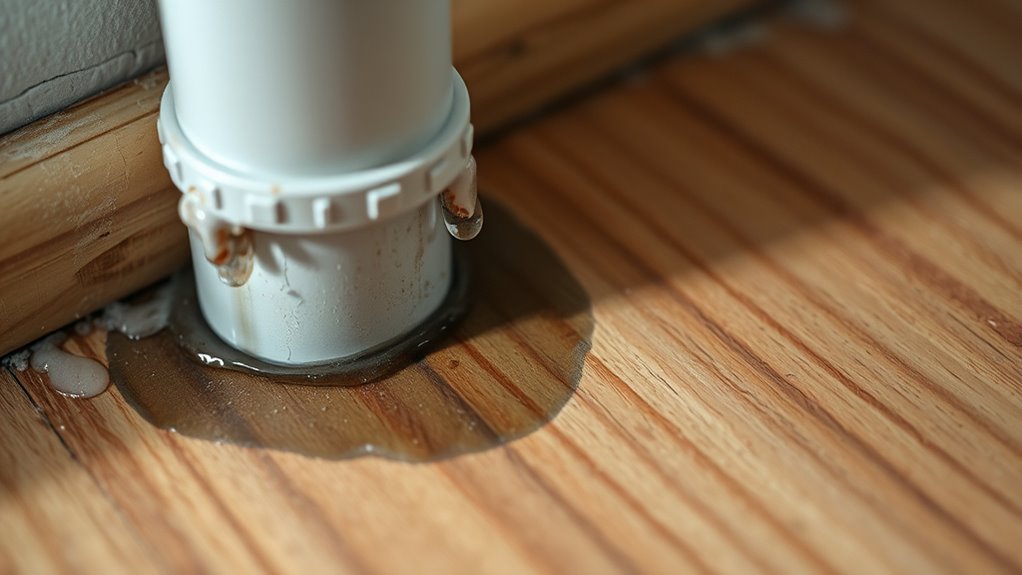
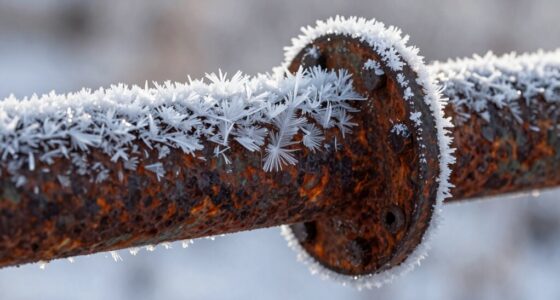
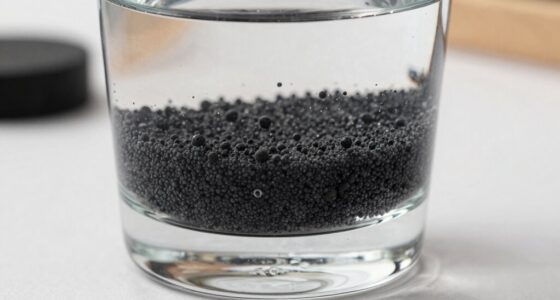
Hidden leaks often go unnoticed until significant damage occurs, making them a silent threat to homes and buildings. These leaks are tricky because they hide behind walls, beneath floors, or inside ceilings, quietly causing issues that can escalate fast. One of the earliest signs of a hidden leak is pipe corrosion. Over time, moisture from leaks causes metal pipes to corrode, weakening their structure and increasing the risk of sudden failure. As corrosion advances, tiny leaks can develop, releasing small amounts of water that seep into surrounding materials. You might not see the water directly, but signs of pipe corrosion often include discoloration, rust, or mineral buildup around joints and fittings. If you notice any of these, it’s a red flag that a leak might be lurking nearby, silently damaging your property.
Another critical indicator of hidden leaks is the development of hidden mold. Mold thrives in moist environments, and even small, unnoticed leaks can create the perfect conditions for mold growth. Since these leaks are concealed, you won’t immediately see the mold, but you might notice a persistent musty smell or experience allergy-like symptoms such as sneezing or respiratory irritation. Mold often forms behind walls or under flooring, feeding on damp drywall, wood, or insulation. The longer a leak persists, the more extensive the mold growth becomes, which can compromise your indoor air quality and health. Recognizing these early signs is essential because mold is not just a cosmetic issue—it’s a serious health hazard.
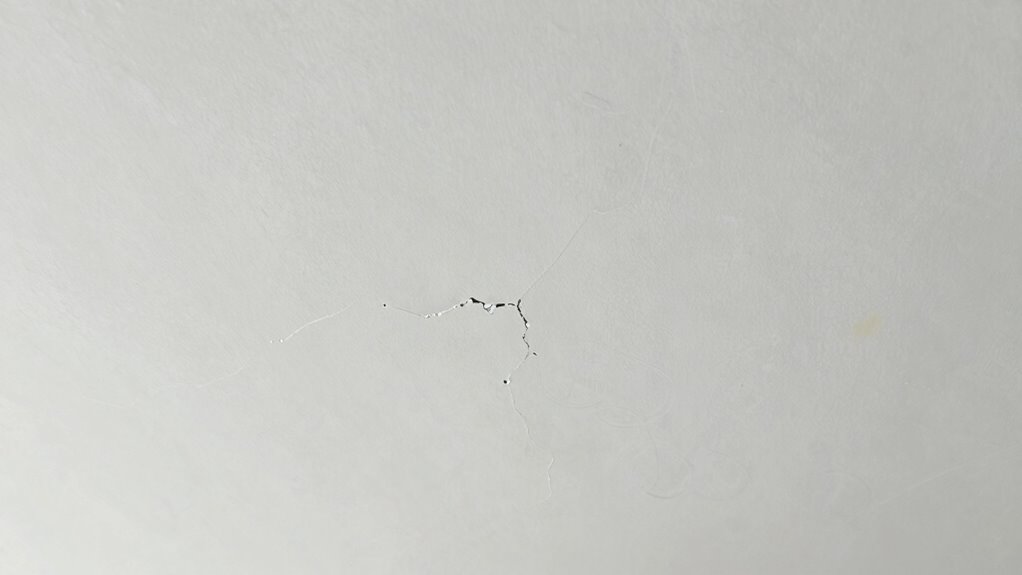
You can’t always see these signs directly, which is why paying attention to subtle clues is essential. Warped walls, peeling paint, or water stains are common indicators that hidden leaks are at work. If you notice any of these, don’t ignore them. Investigate further by listening for the sound of running water when no fixtures are in use or checking your water bill for unexplained increases. Sometimes, the damage from pipe corrosion and hidden mold is only fully realized when the leak becomes severe enough to cause visible water damage or structural issues, leading to costly repairs and increased utility bills. Regular inspections and using specialized equipment like moisture meters**** can help detect hidden moisture behind walls or under floors before damage becomes visible.
To prevent these problems, regular inspections are indispensable. Using specialized equipment like moisture meters can help detect hidden moisture behind walls or under floors before damage becomes visible. Addressing pipe corrosion early by replacing aging pipes and fixing leaks promptly can stop mold from taking hold and avoid extensive repairs. Remember, the key to avoiding a big bill is catching these silent signs early, before they turn into major headaches. Being vigilant about small changes in your home’s condition allows you to intervene in time, saving money, preserving your health, and protecting your property from the destructive power of hidden leaks.

General Tools MMD4E Moisture Meter for Wood, Walls & Water Leak Detection
- Humidity Sensor: Detects moisture levels for mold prevention
- Water Leak Detection: Identifies moisture in wood and drywall
- Moisture Reader: Backlit LCD with large digits for easy reading
As an affiliate, we earn on qualifying purchases.
As an affiliate, we earn on qualifying purchases.
Frequently Asked Questions
How Can I Detect Hidden Leaks Behind Walls?
You can detect hidden leaks behind walls by checking for damp spots or mold, which indicate water intrusion. Use a moisture meter to scan wall cavities for elevated readings, signaling potential leaks. Listen for sounds of running water or dripping, and feel for unusual warmth or cold spots. Inspect pipe insulation around the wall cavity for damage or leaks, and consider professional leak detection services for precise pinpointing.
What Tools Are Best for Early Leak Detection?
You should consider using smart sensors for leak detection, as they offer real-time alerts, precise monitoring, and easy installation. These tools are designed to detect even the tiniest leaks early, helping you avoid costly damage. With smart sensors, you get continuous updates, quick responses, and peace of mind. Investing in reliable leak detection tools guarantees you catch problems before they escalate, saving you time, money, and stress.
Are Hidden Leaks More Costly Than Obvious Ones?
Hidden leaks are definitely more costly than obvious ones because they often go unnoticed longer, leading to significant water waste and structural damage. This results in costly consequences and a greater financial impact over time. You might not see the leak, but the damage accumulates, increasing repair costs. Catching these leaks early can save you money and prevent the hefty expenses associated with hidden leaks that worsen before detection.
Can Regular Maintenance Prevent Hidden Leaks?
Regular maintenance acts like a vigilant guard, catching leaks early and preventing costly surprises. For example, I once caught a small leak during routine checks, saving me hundreds on water bills. Leak prevention through scheduled inspections and prompt repairs dramatically boosts your cost savings. You can avoid hidden leaks that silently drain resources, making maintenance an essential step for safeguarding your home and wallet against unexpected expenses.
What Are the Health Risks of Undetected Leaks?
Undetected leaks pose serious health risks like water damage and mold growth, which can trigger allergies and respiratory issues. When leaks go unnoticed, moisture accumulates, creating an ideal environment for mold to thrive. This mold can release spores into the air, affecting your breathing and overall health. To protect yourself, keep an eye out for signs of leaks and address them promptly to prevent these hazards from developing.

COSOOS Air Conditioner Leak Detector Tool, AC Leak Detector Kit, UV Light for AC UV Dye Leak Detection, Oil Dye Leak Detector with Protective Glasses
- Professional AC Leak Detection: Accurately pinpoint leaks in seconds
- Ultra Compact Design: Portable size with carrying bag
- UV Protective Glasses: Blocks UV rays and enhances visibility
As an affiliate, we earn on qualifying purchases.
As an affiliate, we earn on qualifying purchases.
Conclusion
Think of your plumbing as a trusted friend—sometimes, it whispers warnings before a crisis hits. Small drips or rising bills are like faint signals of an impending storm. If you ignore these signs, you might face a flood you didn’t see coming. Stay vigilant, listen to the quiet hints, and address leaks early. By doing so, you’re nurturing a steady, calm flow, ensuring your home remains safe and sound—before the storm arrives.
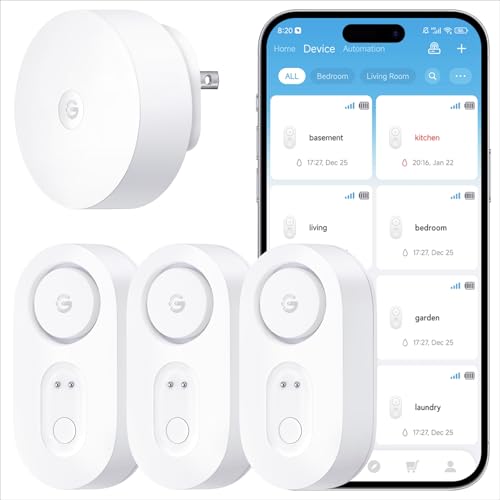
GoveeLife Upgraded Smart Water Leak Detector 1s with High Alarm, 3 Pack
- Long-Range Connectivity: Up to 1804 feet through walls
- Multiple Notification Methods: SMS, Email, App alerts, Sound alarm
- User-Friendly App Features: Instant notifications, Find device, Multi-user alerts
As an affiliate, we earn on qualifying purchases.
As an affiliate, we earn on qualifying purchases.

Mold Test Kit for Home – 12 Simple Detection Tests,Test HVAC System,Home Surfaces,& Indoor Air Quality Testing Kits,DIY Mold Detector at Home,Includes Detailed Mold Identification Guide,air Tester
- Complete Home Mold Testing Kit: Includes 12 test plates and accessories
- Multi-Location Testing: Tests indoor air, surfaces, HVAC, and vehicles
- Flexible Testing Options: Conducts 12 tests across different areas or 6 twice
As an affiliate, we earn on qualifying purchases.
As an affiliate, we earn on qualifying purchases.