
TL;DR
A coral reef in West Africa, long presumed dead, has been rediscovered thriving. This finding challenges assumptions about reef degradation and offers new hope for conservation efforts.
Scientists have confirmed the existence of a thriving coral reef in West Africa, long presumed to be extinct. The discovery challenges previous assumptions about widespread coral decline in the region and has potential implications for conservation strategies.
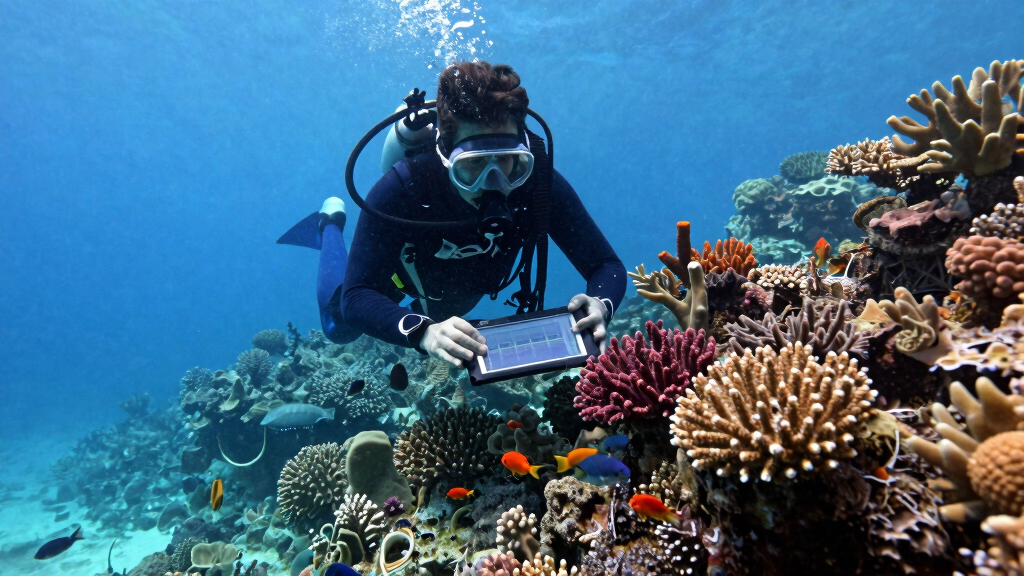
The reef was identified during a recent marine survey conducted by researchers from the Marine Science Institute, using advanced underwater imaging technology. Initial assessments indicate the reef is healthy, with abundant coral growth and diverse marine life. The site is located off the coast of Guinea, in an area previously reported as devoid of significant coral formations. The finding contradicts earlier studies suggesting the reef had been completely destroyed due to climate change and human activity.
Marine biologists involved in the project, including Dr. Laura Mendes, stated, “This discovery provides hope that some coral ecosystems may be more resilient than previously thought.” The reef’s survival may be linked to local ocean currents and microclimates that offer some protection from warming temperatures.
Implications for Coral Conservation and Regional Ecosystems
This discovery is significant because it challenges the prevailing narrative that coral reefs in West Africa are universally declining or extinct. The thriving state of this reef suggests that some ecosystems may recover or persist despite global environmental pressures. It could influence future conservation priorities and strategies, emphasizing protection of resilient sites. Additionally, the presence of a healthy reef in this region could support local fisheries and biodiversity, benefiting nearby communities.
underwater coral reef imaging camera
As an affiliate, we earn on qualifying purchases.
As an affiliate, we earn on qualifying purchases.
Historical Decline of West African Coral Reefs and Recent Surveys
West African coral reefs have faced significant threats over the past decades, including climate change, overfishing, pollution, and coastal development. Many earlier studies documented severe degradation, with some reefs considered functionally extinct by the early 2000s. The region’s reefs were believed to have suffered irreversible damage, leading to a consensus that few, if any, large, healthy reefs remained.
The recent survey, utilizing high-resolution underwater imaging and environmental DNA analysis, aimed to update the status of regional reefs. The unexpected discovery of this thriving coral formation offers a new perspective on the resilience of marine ecosystems in the area.
“This discovery provides hope that some coral ecosystems may be more resilient than previously thought.”
— Dr. Laura Mendes, Marine Biologist
diving gear for coral reef exploration
As an affiliate, we earn on qualifying purchases.
As an affiliate, we earn on qualifying purchases.
Extent and Long-Term Viability of the Recovered Reef
It is not yet clear how extensive the reef is beyond the initial survey area or whether it can sustain its health long-term amid ongoing environmental threats. Researchers are still assessing its size, ecological diversity, and resilience to future climate impacts.
Further studies are needed to determine if this reef is an isolated survivor or part of a larger, previously undetected network of resilient reefs in West Africa.
marine biology underwater research kit
As an affiliate, we earn on qualifying purchases.
As an affiliate, we earn on qualifying purchases.
Planned Research and Conservation Efforts for the Reefs
Scientists plan to conduct more detailed surveys to map the full extent of the reef and monitor its health over the coming years. Conservation organizations are considering protective measures to preserve this ecosystem, including establishing marine protected areas.
Further research will also explore the environmental factors contributing to its resilience, with the aim of applying lessons learned to other degraded reefs in the region.
As an affiliate, we earn on qualifying purchases.
Key Questions
How was the reef discovered?
The reef was identified during a marine survey using advanced underwater imaging technologies conducted by researchers from the Marine Science Institute in early 2026.
Why was the reef believed to be dead?
Previous studies and observations indicated that coral reefs in the region had suffered severe degradation due to climate change, pollution, and overfishing, leading to the assumption that many reefs were extinct or near extinction.
What makes this reef different from others?
Initial assessments suggest that local ocean currents and microclimates may have protected this reef from the widespread environmental stresses affecting other reefs in the region.
What are the conservation implications?
The discovery highlights the potential for resilience in coral ecosystems and underscores the importance of targeted conservation efforts to protect remaining healthy reefs and promote recovery in degraded areas.
What are the next steps for scientists?
Researchers will conduct further surveys to determine the reef’s full size and health, while conservation groups consider protective measures to ensure its long-term survival.
Source: hn