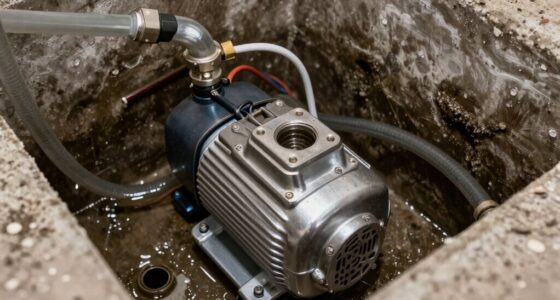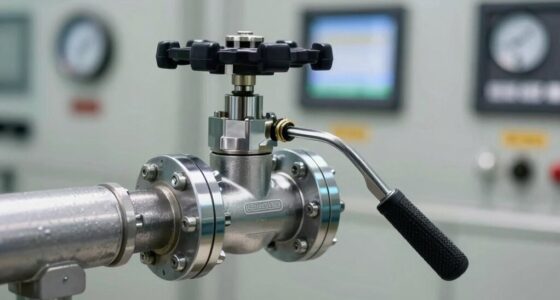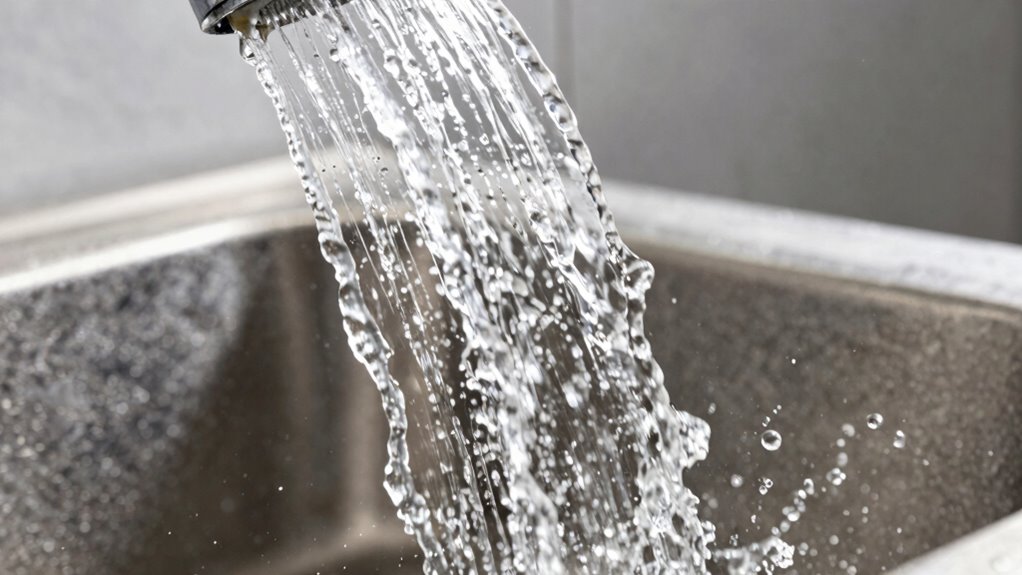

Understanding your water pressure is key to avoiding plumbing issues. Normal household pressure ranges from 40 to 80 psi; anything below may cause weak flow, while above 80 can stress pipes and cause leaks. Problems often stem from pipe corrosion or faulty pressure regulators. Keeping an eye on your pressure and maintaining your system helps prevent costly damage. Stay tuned to learn more about maintaining ideal water flow and spotting potential trouble early.
Open a free Amazon Business account
Business pricing, bulk buying and tax-exempt orders.
As an affiliate, we earn on qualifying purchases.
Key Takeaways
- Normal household water pressure ranges from 40 to 80 psi; pressures above 80 psi can cause pipe damage.
- Low pressure below 40 psi results in weak water flow and inadequate supply.
- Use a pressure gauge to accurately measure your home’s water pressure regularly.
- Corrosion and mineral buildup in pipes can reduce water pressure and cause plumbing issues.
- Malfunctioning pressure regulators lead to fluctuating water pressure and should be inspected or replaced.
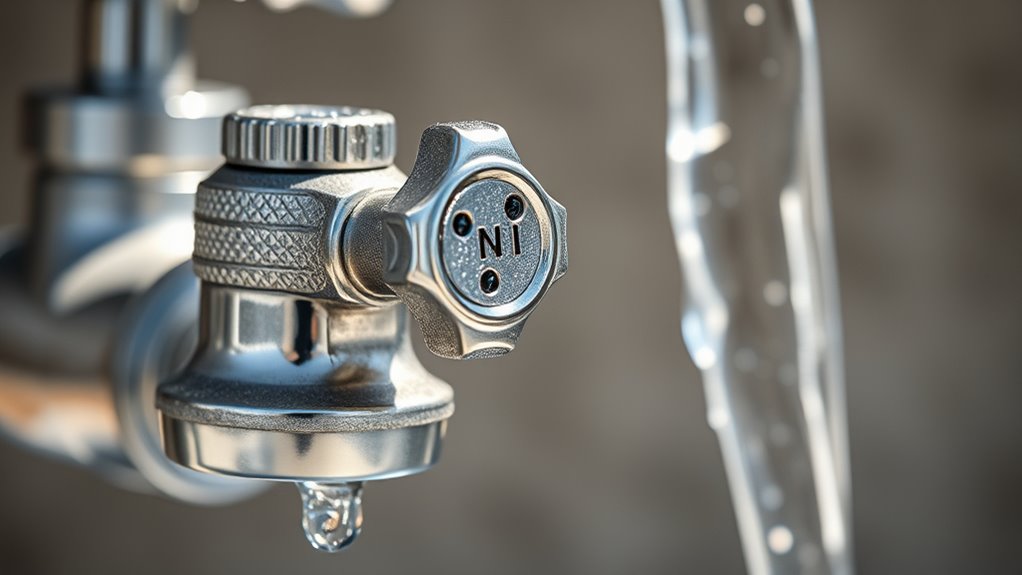
Have you ever wondered why your shower sometimes dribbles or your faucets suddenly lose pressure? Often, the cause lies beneath the surface, in your plumbing system. One common culprit is pipe corrosion. Over time, pipes—especially those made from metal—can develop rust and mineral buildup. This corrosion narrows the interior diameter of your pipes, restricting water flow and leading to reduced pressure. If you notice discoloration in your water or small particles, pipe corrosion might be the root problem. Ignoring it can cause leaks or even pipe bursts, further affecting your water supply.
Pipe corrosion can cause reduced water pressure and leaks; watch for discoloration and mineral buildup.
Another factor to take into account is the role of pressure regulators. These devices are installed to maintain a steady water pressure throughout your home, protecting your plumbing and appliances from sudden surges. If a pressure regulator malfunctions or becomes faulty, it can cause pressure drops or spikes. A failing regulator might cause your water pressure to fluctuate unpredictably, making showers inconsistent and faucets less effective. Regularly inspecting and maintaining your pressure regulator can prevent many pressure-related issues. Sometimes, adjusting the regulator or replacing it entirely is necessary to restore normal flow.
Understanding what’s normal helps you identify when something’s off. Typical household water pressure ranges between 40 and 80 psi (pounds per square inch). If your pressure exceeds 80 psi, it can stress your pipes and fixtures, leading to leaks or damage. Conversely, pressures below 40 psi often result in weak water flow, making simple tasks frustrating. To measure your water pressure accurately, you can use a pressure gauge attached to a hose bib or faucet. If you find your pressure outside the ideal range, it’s worth investigating further.
Pipe corrosion and pressure regulators are interconnected in maintaining your home’s water pressure. Corrosion can sometimes damage or impair your pressure regulator, causing it to malfunction. Conversely, a faulty regulator can lead to pressure issues that accelerate pipe wear and corrosion. Addressing these problems promptly can prevent costly repairs down the line. Regular maintenance, such as flushing your system and checking for signs of corrosion or regulator issues, helps maintain suitable pressure and prolongs your plumbing’s lifespan. Additionally, monitoring water pressure with proper tools can help detect early signs of these issues before they become severe.
As an affiliate, we earn on qualifying purchases.
Frequently Asked Questions
How Do I Measure Water Pressure Accurately at Home?
You can measure water pressure accurately at home by using a pressure gauge, which comes in various types like digital or analog. First, turn off all water outlets, attach the gauge to a hose bib or outdoor faucet, and open the valve fully. Use the measurement techniques recommended for your gauge type, then read the pressure. This straightforward process helps you determine if your water pressure is within a normal range.
What Causes Sudden Drops in Water Pressure?
Sudden drops in water pressure can feel like your entire home’s water flow suddenly vanished! This often happens because of pipe corrosion, which narrows your pipes and blocks water, or municipal fluctuations, where city supply issues temporarily cut your flow. These issues disrupt your water supply unexpectedly, leaving you puzzled and frustrated. Regular maintenance and staying informed about local water updates can help you avoid these shocking pressure drops.
Can Low Water Pressure Affect Appliance Performance?
Yes, low water pressure can affect your appliance performance by reducing flow rates and efficiency. This can lead to longer cycle times or incomplete washing. To prevent this, practice water conservation and regularly perform pipe maintenance to avoid blockages or leaks that worsen pressure issues. Maintaining ideal water pressure ensures your appliances work properly, saving energy and extending their lifespan. Keep an eye on pressure levels for smooth operation.
When Should I Call a Plumber for Water Pressure Issues?
You should call a plumber if your shower becomes less efficient or you notice inconsistent water flow, which could signal pipe corrosion or a pressure problem. For example, if you experience weak water pressure despite no obvious leaks, a plumber can diagnose issues like clogged pipes or pressure regulators. Addressing these early prevents damage and restores proper shower efficiency, ensuring your plumbing system functions smoothly.
Are There Health Risks Associated With High Water Pressure?
High water pressure can pose health risks, like water contamination, because it may cause plumbing leaks or backflow, leading to bacteria or pollutants entering your water supply. It can also waste water and hinder water conservation efforts. To protect your health and save resources, consider installing pressure regulators and regularly maintaining your plumbing system. Always address high water pressure issues promptly to prevent potential health and environmental problems.
As an affiliate, we earn on qualifying purchases.
Conclusion
Now that you know what normal water pressure looks like, imagine the impact when it’s off. Will you notice a sluggish faucet or a sudden drop in flow? Or could it be something more serious lurking behind the scenes? Keep an eye on your water pressure and don’t ignore the signs. Because once you catch the problem early, you might just save yourself from costly repairs — or worse. Stay alert, and stay prepared.
As an affiliate, we earn on qualifying purchases.
As an affiliate, we earn on qualifying purchases.
Flea & tick season Picks
flea and tick prevention
As an affiliate, we earn on qualifying purchases.